Tents and Tarps: The Complete Guide to Camping Shelters
Everything you need to know about choosing, using, and maintaining tents and tarps for camping. From understanding materials and shapes to mastering setup in any condition — this guide helps you make an informed decision before you buy.
EXPLORE SHELTERSWhy Tents and Tarps Matter: Your shelter is the single most important piece of camping gear. It protects you from rain, wind, insects, and cold. A well-chosen tent or tarp can mean the difference between a miserable night and a memorable adventure. This guide covers everything from entry-level dome tents to premium four-season shelters and versatile camping tarps.
Understanding Tent Types: Which Shelter Suits Your Camping Style?
Tents come in dozens of configurations, and choosing the wrong one can lead to discomfort, wasted space, or a shelter that fails when you need it most. The right tent depends on how you camp, where you camp, and how many people you're sheltering. Before diving into specifications, it helps to understand the fundamental categories and what each does best.
Dome Tents: The All-Around Favorite
Dome tents use two or more flexible poles that cross at the top, creating a self-supporting hemispherical structure. They're the most popular tent style because they're easy to pitch, handle wind well, and don't require guy lines to stand. Dome tents for camping range from compact solo shelters to large family models. Entry-level dome tents typically use fiberglass poles and basic polyester fabrics, while premium versions feature aluminum poles, taped seams, and ripstop nylon. Mid-range dome tents often provide the best balance of weight, durability, and weather resistance for most campers.
The main limitation of dome tents is headroom. Because the walls slope inward, standing up inside is usually impossible unless you choose a camping tent you can stand up in. For sitting-height comfort and ample floor space, dome tents remain an excellent choice for car campers and weekend adventurers.
Cabin Tents: Maximum Space and Comfort
Cabin tents have near-vertical walls and a flat or peaked roof, creating a rectangular interior that feels more like a room than a dome. They offer superior headroom and usable floor space, making them ideal for families and basecamp setups. Big tents for camping are often cabin style, with room dividers and multiple doors. If you prioritize comfort and space over packed size and weight, a cabin tent is the right choice.
The trade-off is wind resistance. Cabin tents have more surface area and less aerodynamic shapes, so they perform poorly in high winds unless guyed out properly. They're also heavier and bulkier to transport. For fair-weather car camping and extended stays, however, cabin tents are unbeatable for livability.
Instant and Pop-Up Tents: Speed and Convenience
Instant tents use pre-attached poles that snap into place with minimal effort. Pop-up tents take this further — they arrive pre-assembled and spring into shape when you release the frame. These shelters are perfect for beginners, festival-goers, and anyone who wants to spend less time pitching and more time relaxing. Instant tents for camping have improved dramatically in recent years, with many now offering respectable weather protection and durable materials.
The downside of instant and pop-up designs is pack size and long-term durability. The folding mechanisms add weight and complexity, and the fabrics tend to be thinner than traditional tents. For occasional use and short trips, they're a fantastic option. For frequent camping in harsh conditions, a traditional pole tent is more reliable.
Trekking and Backpacking Tents: Lightweight Performance
Backpacking tents prioritize low weight and small packed size above all else. They typically use lightweight aluminum poles, thin silnylon or silpoly fabrics, and minimalist designs. A good backpacking tent weighs under 3 pounds per person and packs down to the size of a water bottle. These tents often sacrifice interior space and durability for portability.
If you're planning a backpacking trip, weight matters enormously. Every ounce adds up over miles of hiking. But if you're car camping, you can afford the comfort of a heavier, more spacious shelter. Match your tent to your mode of travel, not to an abstract idea of "best."
Tent Materials Explained: Fabrics, Poles, and Coatings
The materials used in a tent determine its weight, durability, weather resistance, and lifespan. Understanding these materials helps you evaluate specifications and make smarter buying decisions. A tent's fabric is measured in denier (D) — a unit that describes the thickness of the threads. Higher denier means thicker, heavier, and more abrasion-resistant fabric. Lower denier means lighter and more packable, but less durable.
Tent Fabrics: Nylon vs. Polyester
The two primary tent fabrics are nylon and polyester. Nylon is stronger and more abrasion-resistant for its weight, making it popular in backpacking tents. It also stretches when wet, which can cause sagging in prolonged rain. Polyester is slightly heavier but doesn't stretch, resists UV damage better, and tends to be more stable in wet conditions. Is nylon or polyester better for tents? The answer depends on your priorities — nylon for lightweight strength, polyester for weather stability and UV resistance.
Many tents use a ripstop weave, where a grid of thicker threads prevents small tears from spreading. Ripstop nylon and ripstop polyester are common in mid-range and premium tents. Entry-level tents often use plain-weave fabrics, which are adequate for occasional use but less resistant to damage.
Waterproof Coatings and Seam Sealing
Tent fabrics are coated with polyurethane (PU) or silicone to make them waterproof. PU coatings are more affordable and easier to apply, but they degrade over time and can become sticky. Silicone coatings are more durable, more expensive, and provide better UV resistance. Many premium tents use silicone-treated fabrics on both sides for maximum weather protection.
The hydrostatic head rating measures waterproofness — how much water pressure a fabric can withstand before leaking. A rating of 1,500mm handles light rain; 3,000mm handles steady rain; 5,000mm or more handles heavy, prolonged storms. For most camping, a 2,000–3,000mm rating is sufficient. The rainfly and floor are the most critical waterproof components. Seam sealing — either factory-applied or DIY — prevents leaks at stitch holes. Always check whether a tent has taped or sealed seams before buying.
Tent Poles: Aluminum vs. Fiberglass
Aluminum poles are lighter, stronger, and more durable than fiberglass. They flex without breaking, resist corrosion, and hold up better in cold weather. The best aluminum alloys — like 7001 and 7075 — are used in premium tents. Fiberglass poles are heavier and more prone to splintering, but they're significantly cheaper. Entry-level tents almost always use fiberglass; mid-range tents use aluminum; premium tents use high-grade aluminum or carbon fiber.
Pole diameter also matters. Thicker poles are stronger but heavier. Backpacking tents use thin poles (8–9mm), while family tents use thicker poles (11–16mm) for structural integrity. The pole configuration — how many poles, how they cross, and how they attach to the tent body — determines the tent's shape and stability.
Tarps: The Versatile Alternative to Tents
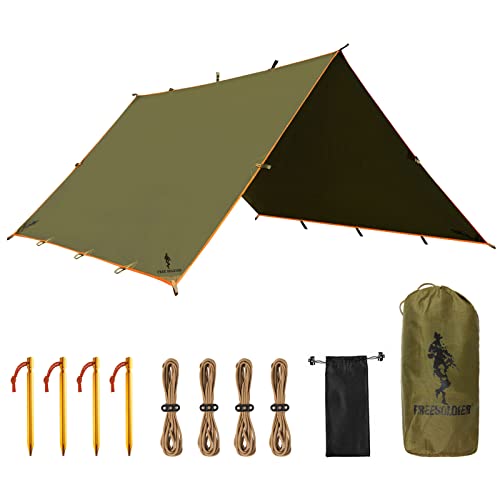
A tarp is simply a sheet of waterproof or water-resistant fabric that can be configured in countless ways to provide shelter. Tarps are lighter, more versatile, and often more affordable than tents. They can be pitched as a simple lean-to, an A-frame, a flat roof, or a fully enclosed shelter. For minimalist campers, bushcrafters, and anyone who wants flexibility, a tarp is an essential piece of gear.
Types of Camping Tarps
Flat tarps are rectangular sheets that can be configured in dozens of pitches. They offer the most versatility but require skill and practice to set up effectively. A flat tarp in a 10x10 or 12x12 size is a classic choice for ultralight campers.
Cat-cut tarps (catenary cut) have curved edges that reduce flapping and provide a tighter pitch. They're easier to set up than flat tarps and offer better wind resistance, but they're less versatile. Pyramid tarps (also called "mids") are single-pole shelters that provide excellent weather protection and are popular in ultralight backpacking. Screen tarps combine a tarp with bug netting for insect protection.
For car camping and basecamp use, a simple canopy tent with sidewalls or a heavy-duty canopy tent provides shade and rain protection for a group. These are essentially large tarps with poles and are ideal for picnics, tailgating, and group gatherings. A 10 x 10 canopy tent with sides is a popular size that balances coverage with portability.
Tarp Materials: What to Look For
Camping tarps are typically made from silnylon, silpoly, or DCF (Dyneema Composite Fabric). Silnylon is lightweight, strong, and affordable, but it stretches when wet. Silpoly is slightly heavier but doesn't stretch, making it more stable in rain. DCF is the lightest and strongest option, but it's significantly more expensive and bulkier to pack. For most campers, silnylon or silpoly offers the best balance of performance and value.
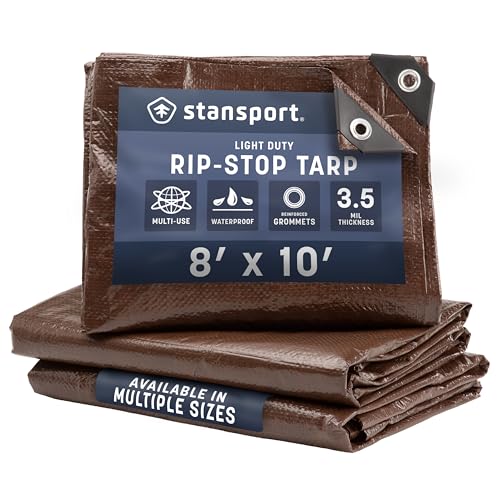
Tarp size depends on your intended use. A solo camper can use an 8x10 tarp; two people need a 10x10 or larger; group shelters require 12x12 or bigger. Always check the tarp's dimensions, weight, and included guy lines and stakes. Some tarps come with everything you need; others are just the fabric.
Tent Features That Matter: What to Look For Before Buying
Beyond the basics of shape and material, several features separate a good tent from a great one. These details affect comfort, weather resistance, and long-term durability. Understanding them helps you compare tents across different tiers and brands.
Doors and Vestibules
A tent with a single door is adequate for solo campers, but two doors make life easier for couples and families — each person gets their own entry and exit, reducing disruption. Vestibules are covered areas outside the sleeping space but under the rainfly. They provide storage for muddy boots, wet gear, and backpacks, keeping the interior clean and dry. A good vestibule is worth its weight in convenience.
Ventilation and Condensation Control
Condensation is the enemy of tent comfort. When warm, moist air from your breath meets the cooler tent fabric, it condenses into water droplets. Proper ventilation — mesh panels, roof vents, and gap between the tent body and rainfly — allows moisture to escape. Tents with poor ventilation become damp and clammy, even in dry weather. Look for tents with large mesh areas and adjustable vents. A pop-up screen tent with rain flaps offers excellent ventilation with the option to seal up in bad weather.
Season Ratings
Tents are rated for three or four seasons. Three-season tents handle spring, summer, and fall conditions. They prioritize ventilation and are not designed for heavy snow loads or extreme cold. Four-season tents have stronger poles, less mesh, and steeper walls to shed snow and resist wind. They're heavier and less ventilated, making them less comfortable in warm weather. A 4-season tent with stove jack for sale is designed for winter camping with a wood stove, providing heat in freezing conditions.
Capacity and Floor Dimensions
Tent capacity ratings — 2-person, 4-person, 6-person — are optimistic. A "2-person" tent often fits two people only if they're very friendly and have minimal gear. For comfortable camping, subtract one from the rated capacity: a 4-person tent is comfortable for three people; a 6-person tent works well for four or five. Always check floor dimensions (length x width) and peak height. A 6-man tent should provide enough space for a family of four with room for gear.
For backpacking, floor space matters less than weight. For car camping, floor space and headroom are paramount. A 6-person tent you can stand up in transforms the camping experience for tall campers. If you're camping with a partner, a tents for 5 people provides ample room for two adults and gear, or a small family.
How to Choose the Right Tent for Your Needs
Choosing a tent comes down to matching features to your specific camping style. There's no single "best" tent — only the best tent for your situation. Consider the following factors before making a purchase.
Match the Tent to Your Camping Type
🏕️ Car Camping & Basecamp
- Prioritize space, headroom, and comfort
- Cabin tents and large dome tents work best
- Weight and packed size are less critical
- Look for multiple rooms and vestibules
- Consider big family tent with rooms and living room
🥾 Backpacking & Trekking
- Prioritize low weight and small pack size
- Lightweight dome or trekking pole tents
- Durability and weather resistance matter
- Look for sub-3-pound options
- Consider a hiking backpack with tent and sleeping bag
🚗 Vehicle Camping
- Convenience and quick setup are key
- Instant tents and SUV tents excel here
- Look for tent for a SUV or truck bed options
- Weather protection and durability matter
- Consider a a type of tent use for car camping
❄️ Winter & Extreme Conditions
- Four-season tents with sturdy poles
- Heavy-duty fabrics and reinforced seams
- Consider winter tents with stove jacks
- Wind resistance and snow load capacity
- Look for 4-season travel trailer alternatives for basecamp
Consider Tent Size and Capacity
Tent sizing is one of the most common sources of buyer's remorse. A tent rated for four people will feel cramped with four adults and their gear. Always size up if you value comfort. For solo campers, a 2-person tent provides space for you and your gear. For couples, a 3-person or 4-person tent offers room to spread out. For families, a 6-person or 8-person tent is the starting point.
If you're camping with a dog, add another "person" to your capacity calculation. Camping with a dog in a tent requires extra floor space and consideration for claws and wet fur. A tent for the back of a SUV can work well for car camping with pets, providing a secure, familiar space.
Set a Realistic Tier Expectation
Tents fall into four broad quality tiers. Understanding what each tier offers helps you set expectations and make a value-driven decision.
- Entry-Level: Fiberglass poles, basic polyester fabrics, minimal ventilation, adequate for occasional fair-weather camping. Best for beginners and festival-goers.
- Mid-Range: Aluminum poles, ripstop fabrics, taped seams, better ventilation, and more thoughtful designs. The sweet spot for most regular campers.
- Premium: High-quality aluminum poles, silicone-treated fabrics, excellent ventilation and weather resistance, durable construction. For frequent campers and demanding conditions.
- Luxury: Expedition-grade materials, carbon fiber or high-end aluminum poles, bombproof construction, and premium features. For extreme conditions and long-term use.
Mid-range tents typically offer the best value for most campers. Entry-level tents are fine for occasional use but may wear out quickly. Premium and luxury tents are investments that pay off in durability and performance over many seasons. Are expensive tents worth it? For frequent campers and harsh conditions, absolutely. For occasional weekend trips, a mid-range tent is often the smarter choice.
Tent Setup and Maintenance: Making Your Shelter Last
A tent is an investment. With proper care, a quality tent can last a decade or more. Neglect it, and you'll be replacing it every few seasons. Setup technique and maintenance habits make all the difference.
Setting Up Your Tent Correctly
Choose a level, debris-free site. Clear rocks, sticks, and pinecones that can puncture the floor. If you're setting up a tent on a platform, use pad protectors or a ground cloth. For setting up a tent on the beach, use sand stakes or bury deadman anchors. In rain, set up a tent in the rain quickly and strategically — pitch the rainfly first if possible. In snow, setting up a tent in the snow requires snow stakes, deadman anchors, and a shovel to create a flat platform.
Stake out the tent body before inserting poles. Attach the rainfly and guy lines for stability. A properly pitched tent should be taut but not stressed. Use guy lines in wind, and orient the tent's lowest edge into the wind. If you're keeping a tent warm in cold weather, seal vents, use a ground pad, and consider a hot water bottle in your sleeping bag.
Cleaning and Storing Your Tent
Never store a tent wet. Dampness causes mildew, which permanently damages fabrics and creates a musty smell. After every trip, set up the tent in a shaded area, wipe it down with a damp cloth, and let it dry completely before packing. Store it loosely in a cool, dry place — not compressed in its stuff sack. UV exposure degrades tent fabrics, so avoid leaving it pitched in direct sun for extended periods.
Clean zippers with a soft brush and lubricate them with silicone spray or zipper wax. Check seams and re-seal them annually with seam sealer. Replace damaged stakes and guy lines. With proper care, a quality tent will serve you well for many seasons. For those camping in a tent in the rain, a little preparation goes a long way toward staying dry and comfortable.
Tarps and Tent Accessories: Enhancing Your Shelter System
A tent alone is rarely enough for a complete shelter system. Tarps, ground cloths, stakes, and other accessories improve comfort, protection, and versatility. These additions are relatively inexpensive but make a significant difference in the camping experience.
Ground Cloths and Footprints
A ground cloth or footprint protects your tent floor from abrasion, punctures, and moisture. It should be slightly smaller than the tent floor so it doesn't catch rainwater and channel it under the tent. Tyvek, polycro, and custom footprints are popular options. For a DIY approach, a simple tarp cut to size works well. A heavy-duty canopy tent can also serve as a large ground cloth for group shelters.
Stakes and Guy Lines
The stakes that come with most tents are adequate for fair weather but fail in wind or hard ground. Upgrade to tent pegs heavy duty for rocky or hard-packed soil. Sand stakes (long, wide stakes) work for beach camping. Snow stakes work in winter conditions. Guy lines should be reflective for visibility at night and durable enough to handle tension. Paracord works in a pinch but stretches; dedicated guy line cord is better.
Tarp Configurations for Camping
A tarp can be pitched in many ways. The A-frame (or pup tent) is the classic configuration — simple, effective, and storm-worthy. The lean-to is quick to set up and provides good ventilation. The flat roof (or dining fly) provides shade and rain protection for a group. The diamond pitch sheds wind and rain effectively. Learning a few basic tarp pitches gives you a backup shelter, a shade structure, or a gear cover.
For group camping, a canopy tent with sidewalls or pop up party tent provides a communal shelter for dining, games, and socializing. These are essentially large tarps with a frame and are invaluable in rainy or sunny conditions. A 10 x 20 pop up canopy tent can shelter a large group and is popular for family reunions and campsite gatherings.
Common Mistakes to Avoid When Buying and Using Tents and Tarps
Even experienced campers make mistakes. Avoiding these common pitfalls saves money, frustration, and discomfort.
- Buying on capacity alone: A "4-person" tent is often cramped for four adults. Size up for comfort, especially for car camping.
- Skipping the rainfly: Even in fair weather, a rainfly adds warmth and protection. Always pitch it — unexpected rain happens.
- Ignoring ventilation: A tent with poor airflow becomes a condensation chamber. Prioritize mesh panels and vents.
- Using the wrong stakes: Standard stakes fail in sand, snow, or hard ground. Match stakes to conditions.
- Storing wet: Mildew destroys tents. Always dry completely before packing.
- Pitching in a low spot: Water pools in depressions. Choose high, level ground.
- Overlooking wind: A poorly guyed tent can collapse or blow away. Stake and guy out every time.
- Neglecting UV protection: Prolonged sun exposure degrades fabrics. Use a shade tarp or pitch in partial shade.
For first-time campers, a first time camping tips guide can help avoid beginner mistakes. Practicing tent setup at home before your trip builds confidence and reveals missing gear. If you're camping in a tent in the rain, a little preparation goes a long way.
Frequently Asked Questions About Tents and Tarps
How long do tents last?
With proper care, a quality tent lasts 5–10 years or more. Entry-level tents may last 2–3 years with regular use. UV exposure, mildew, and abrasion are the main causes of tent failure. How long do tents last? depends on materials, usage frequency, and maintenance.
Is a tarp better than a tent?
Neither is universally better. Tents offer bug protection, privacy, and easier setup. Tarps are lighter, more versatile, and better for minimalist camping. Many campers use both — a tent for sleeping and a tarp for shade or group shelter. Tent vs hammock is another comparison worth considering for solo campers.
What size tent do I need?
For solo camping, a 2-person tent provides space for you and gear. For couples, a 3-person or 4-person tent. For families, a 6-person or larger. Always size up from the rated capacity for comfort. How to choose tent size depends on your sleeping style and gear volume.
Can I use a tarp as a tent?
Yes. A tarp pitched as an A-frame or lean-to provides shelter from rain and wind. However, tarps don't offer bug protection or privacy. For a lightweight emergency shelter, a tarp is excellent. For regular camping, a tent is more practical for most people.
How do I waterproof a tent?
Most tents come with waterproof coatings and taped seams. Over time, these degrade. Re-waterproof with a spray-on or wash-in DWR (durable water repellent) treatment. Re-seal seams annually with seam sealer. Always use a rainfly and avoid pitching in depressions where water pools.
What is the best tent for winter camping?
A four-season tent with sturdy poles, minimal mesh, and a stove jack if you plan to use a wood stove. Winter tents are designed to handle snow loads and high winds. For extreme conditions, a 4-season tent with stove jack for sale provides warmth and comfort in freezing temperatures.
How do I set up a tent on a platform?
Use a ground cloth or pad to protect the tent floor from splinters. Stake the tent using platform-friendly stakes or tie off to platform edges. If stakes won't work, use heavy objects inside the tent corners to anchor it. Setting up a tent on a platform requires a bit of creativity but is manageable.
Ready to Find Your Perfect Shelter?
Browse our recommended tents and tarps below. Whether you're a solo backpacker, a family car camper, or a winter adventurer, there's a shelter that fits your needs. Compare features, read our guides, and make an informed decision before you buy.
SHOP CAMPING GEAR →