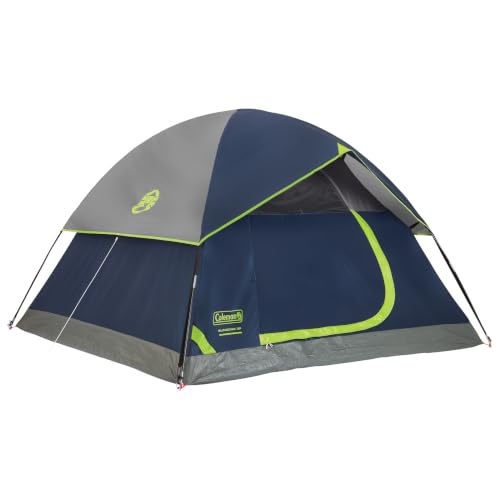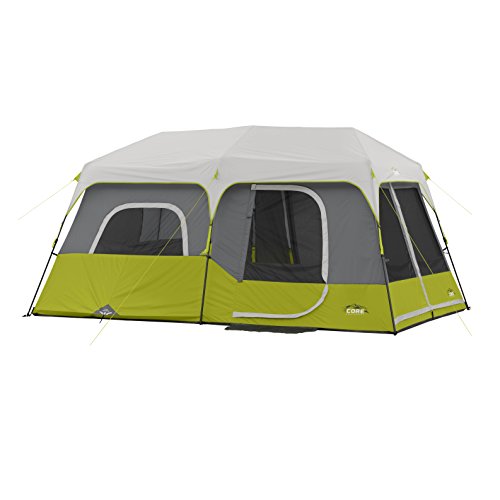
How to Set Up a Tent in the Rain Without Getting Soaked
Don't let a downpour ruin your camping trip. Learn the professional techniques to pitch your shelter fast, stay dry, and keep the interior completely protected from the moment you unpack.
VIEW THE STEP-BY-STEP GUIDEThe Golden Rule of Rain Setup: Speed and sequence matter more than brute force. The goal isn't just to get the tent up; it's to create a waterproof barrier before the inner tent body is exposed to direct rainfall. With the right camping gear and a practiced method, you can set up in a storm and have a dry haven to sleep in.
The 5-Step Rain Setup Method
Site Selection & Ground Prep
Avoid depressions where water pools. Look for slightly elevated ground, ideally under natural canopy (but watch for "widow-makers" or dead branches). If you have a camping tarp, set it up first as a massive umbrella over your workspace. Clear sharp sticks that could puncture the floor.
Deploy the Footprint Fast
This is critical. Lay your footprint or groundsheet down immediately. For double-wall tents, tuck a tent footprint slightly smaller than the tent floor to prevent water from running between the layers. Never let the footprint stick out past the rainfly edges.
Fly-First Pitching (The Magic Trick)
If your tent supports it, pitch the rainfly first using the poles, then crawl underneath to clip the inner tent body. This is the driest method. If not, assemble the poles, attach them to the inner tent while it's still folded, then pop it up quickly and throw the fly over instantly.
Stake & Tension for Runoff
Stake out the vestibules and guylines immediately. Proper tension pulls the rainfly away from the inner mesh, preventing condensation transfer and allowing water to slide off. Ensure the fly is drum-tight; loose fabric will leak under pressure and flap in the wind.
Entry Protocol & Interior Management
Before entering, squeeze out wet rain jackets. Throw gear into the vestibule, not the inner tent. Keep a small microfiber towel inside to wipe any mist or tracked-in water. If your camping gear is wet, store it in a dry sack or the vestibule overnight.
Rainy Day Gear You Can't Forget
Having the right tools transforms a miserable wet setup into a manageable routine. Pack these essentials in an easily accessible outer pocket so you aren't digging through your bag in the rain.
- Extra Groundsheet/Tarp: A secondary camping tarp to create a cooking/working shelter above the picnic table or tent entrance.
- Quick-Dry Towels: Microfiber is king. Use them to dry the tent floor, wipe down wet camping chairs, or dry your dog before letting them in.
- Waterproof Storage: Heavy-duty contractor bags or dry sacks for your camping bags and clothes. Don't rely on a tent's floor to keep your pack dry if it's sitting in a puddle.
- Seam Sealer: An old tent might need a refresh. Apply seam sealer to the rainfly's seams a week before the trip.
- Vestibule Mat: A small mat or piece of foam to kneel on while you crawl inside keeps mud out of your sleeping area.
🌧️ Pro Tip: The "Taco" Method for Single-Wall Tents
If you have a basic single-wall tent that must be set up inner-first, unroll the tent and immediately fold the rainfly over it like a taco shell. Assemble the poles inside this "taco" and pop the tent up. The fly is already draped and ready to pull down, cutting exposure time to less than 20 seconds. This is a lifesaver during a sudden rainy season downpour.
💨 Ventilation vs. Condensation
Rain forces campers to batten down the hatches, leading to massive interior condensation from breathing. Even in a storm, leave the vestibule vents partially open (if protected from direct rain) to maintain airflow. A camping lantern or safe tent heater can help dry the air inside, but nothing replaces fresh air circulation.
Morning After: Packing Up a Wet Tent
Packing a soaking wet tent is sometimes unavoidable. Shake off excess water vigorously. Store the tent body and rainfly separately from dry gear in a ventilated mesh bag, not a compression sack. At home, immediately hang the tent to dry completely to prevent mold and mildew. The waterproof coating can degrade if stored wet, so make this your camping essentials priority at the end of the trip.
For a successful wet-weather campout, also review your safety procedures. Standing water and thunderstorms bring risks like flash floods and lightning. Always know your escape routes and never pitch in a dry riverbed. With the right first-time camping tips for wet conditions, you’ll gain the confidence to enjoy the unique peace of a rainy forest.