Camping Hammock Guide: Sleep Under the Stars in Total Comfort
Swap the tent for the sky — lighter, more versatile, and surprisingly cozy. Learn everything about hammock camping, from suspension to insulation.
Why Switch to a Camping Hammock?
If you’re tired of rocky, uneven ground and waking up with a sore back, a camping hammock is a game-changer. Unlike traditional ground setups, a hammock lifts you off the forest floor, providing natural ergonomic support and unmatched comfort. Modern camping hammocks are lightweight, pack down small, and work perfectly for backpacking, car camping, or even motorcycle trips. Whether you’re a weekend adventurer or a seasoned thru-hiker, hammock camping offers better sleep quality, less gear weight, and a unique connection with nature. Many campers transition from camping tents to hammocks for the sheer comfort and simplicity.
In this comprehensive guide, we’ll walk you through the key components: hammock types, suspension systems, weather protection, insulation (underquilts and top quilts), as well as expert buying advice. By the end, you’ll know exactly which camping hammock fits your style and budget.
Types of Camping Hammocks & Key Features
Gathered-End Hammock
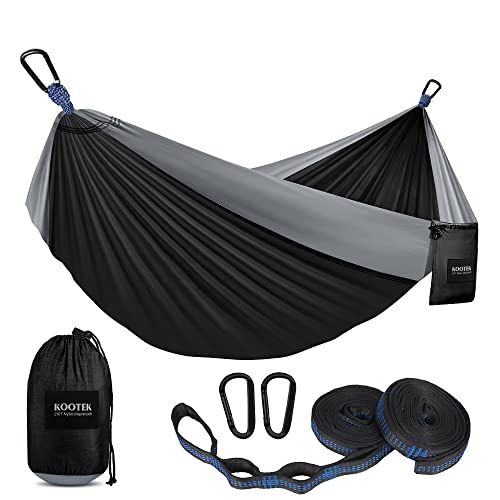
Most common, lightweight, and simple. Fabric bunched at ends creates a classic banana shape. Ideal for backpacking and casual camping.
$30–$120Bridge Hammock
Spreader bars create a flatter, almost bed-like lay. More stable for side sleepers. Slightly heavier but luxurious.
$120–$250Double vs Single
Double hammocks offer extra width (great for lounging or sharing), singles are ultralight. Width also affects diagonal lay comfort.
Integrated Bug Net
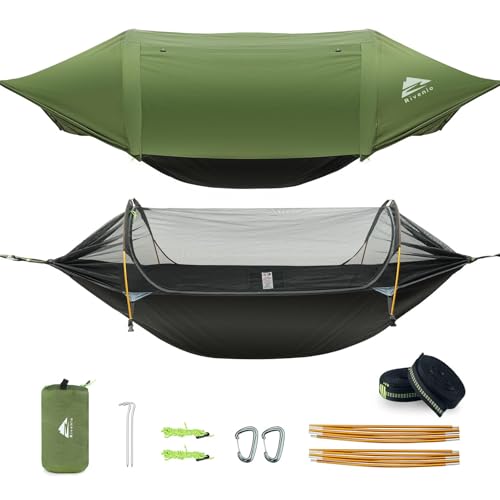
Built-in mesh protects from mosquitoes and biting flies. Essential for summer camping in wooded areas.
When choosing a hammock, consider fabric material: nylon (parachute nylon) is breathable, dries fast and durable; polyester resists UV better and has less stretch. Weight capacity typically ranges from 300 to 500 lbs – always check manufacturer specs. For long-distance trekkers, ultralight models (10–20 oz) are available, while car campers might prioritize extra comfort and larger dimensions.
Pair your hammock with proper suspension: tree straps (mandatory to protect trees), whoopie slings, or daisy chains. Avoid ropes that damage bark. A reliable suspension system makes setup fast and tool-free. Many campers also complement their setup with a camping blanket or camping pillow for added comfort during chilly nights.
Staying Warm: Underquilts, Top Quilts & Sleeping Pads
One of the biggest myths about hammock camping is that you’ll freeze because cold air flows beneath you. In reality, your sleeping bag compresses under your body weight, eliminating its insulation. The solution: underquilts. An underquilt attaches beneath the hammock, trapping warm air against your back without compression. For milder weather, you can use a camping mat inside the hammock, but an underquilt is far more comfortable and efficient.
Top quilts replace traditional sleeping bags – they’re lighter, less restrictive, and pair perfectly with underquilts. If you’re on a budget, a closed-cell foam pad or inflatable pad works as an alternative, though it may shift during the night. For winter camping, consider full-length down underquilts rated to 0°F–20°F. Explore our winter camping resources for extreme conditions.
✔ Pros of Underquilt
- No cold spots on your back
- More freedom to move
- Packs smaller than bulky sleeping pads
⚠ Considerations
- Extra cost ($80–$250)
- Slight learning curve for perfect fit
If you plan to camp in warmer months, a simple lightweight hammock with a sleeping bag liner may suffice. Always check the expected low temperatures before heading out.
Rain Protection & Tarps: Stay Dry No Matter What
A hammock tarp (or rainfly) is essential for blocking rain, wind, and morning dew. Most camping hammocks are sold without a tarp, so you’ll need to purchase separately. Hex-cut tarps offer good coverage with minimal weight, while diamond or rectangle tarps provide more living space. For ultralight backpacking, consider dyneema or silnylon tarps (starting at $100+). For casual trips, a budget polyester tarp ($30–$70) offers sufficient coverage. Setup with trekking poles, trees, or a ridge line.
Pro tip: Pitch the tarp in “porch mode” on clear nights to enjoy star views. Always seam-seal your tarp and carry extra guylines for windy conditions. To improve your overall camp setup, pair your hammock system with smart camping essentials like a groundsheet or lightweight stakes.
Camping Hammock vs Tent: Which One Suits You?
| Feature | Camping Hammock | Traditional Tent |
|---|---|---|
| Weight & Pack Size | Very compact (1–3 lbs for complete system) | Heavier (3–8+ lbs for solo) |
| Setup Difficulty | Fast once you learn, requires trees | Needs flat, clear ground |
| Sleep Comfort | Excellent for back/side sleepers, off-ground | Depends on pad + ground conditions |
| Terrain Limitation | Need two sturdy trees or poles | Works anywhere flat, no trees required |
| Privacy | Less privacy unless tarp is fully enclosed | Full enclosure |
Still unsure? Read our detailed analysis: Tent vs Hammock: Which Is Better? Many campers own both and choose based on trip type. For thru-hiking backpacking trips, hammocks often win due to weight and comfort; for alpine areas above treeline, a tent is necessary.
Essential Hammock Accessories & Safety Tips
Must-have Add-ons
- Structural ridgeline: Keeps the hammock’s sag consistent, improves comfort.
- Bug net & snakeskins: For fast deployment and pest protection.
- Tree straps (1"–2" wide): Protects bark and meets Leave No Trace ethics.
- Underquilt protector: Adds warmth and shields from splashes.
- Gear sling / ridgeline organizer: Keeps headlamp, phone, and glasses handy.
Safety & Ethical Hanging
Always inspect trees for dead branches, set up away from animal trails, and never hang higher than you're willing to fall. Use a structural ridgeline to limit sway. In bear country, follow food storage rules and never store food in your hammock. Also check local regulations regarding hammock use in national parks and wilderness areas — many allow it as long as tree straps are used. Consider reading our camping safety section for broader risk management.
How to Choose the Perfect Camping Hammock
Consider the following criteria before you click “buy”:
- Intended use: Backpacking demands ultralight (nylon, 11ft length, ~1lb). Car camping allows heavier, wider hammocks with integrated storage.
- Length & width: 9–10 ft is fine for lounging, but for sleeping choose 11 ft (allows flatter diagonal lay). Width 55–65 inches recommended.
- Weight capacity: Always check maximum load – your body weight + gear + winter layers.
- Budget: Entry-level complete system (hammock + straps) $40–$80; mid-range $90–$160; premium cottage brands $180–$350. Don't forget add-ons like tarp and underquilt.
- Brand reputation: Look for ripstop fabric, reinforced stitching, and solid customer reviews.
To see the current best-selling models and real-time prices, check our product recommendations below. Many options come with lifetime warranties and are compatible with aftermarket insulation.
Pro Tips for First-Time Hammock Campers
✅ Practice at home
Hang your hammock in your backyard or local park to master suspension and ridgeline before the backcountry.
✅ Perfect your hang angle
30° suspension angle is ideal – straps should form a 30° angle with the tree. Use your ridgeline as a reference.
✅ Lay diagonally
Achieve a flat lay by shifting your body diagonally (head left, feet right). Avoid banana shape for better spine alignment.
✅ Layer for warmth
Use a sleeping pad (for budget) or an underquilt even on 50°F nights – windchill can be deceptive.
Ready to hit the trail? Pair your hammock setup with a well-planned camping checklist. Whether you’re looking for first-time camping guidance or advanced hacks, preparation ensures an incredible experience.
Frequently Asked Questions About Hammock Camping
Can I use my regular sleeping bag in a hammock? Yes, but you'll be more comfortable with a top quilt or unzip the bag and use it as a blanket. For back insulation, an underquilt or pad is critical.
Are camping hammocks safe for kids? Absolutely, with supervision and proper straps. Use a lower hang height, and consider adding a bug net for peace of mind.
What do I do if there are no trees? You can use trekking poles or a portable hammock stand (for car camping) or switch to a tent alternative. Some ultralight hammock stands exist, but they add weight.
Explore more answers at our Camping FAQ.
Bottom line: A high-quality camping hammock revolutionizes your outdoor sleep. Use the advice above to select the right model, then shop from our curated list of top-rated hammocks below.