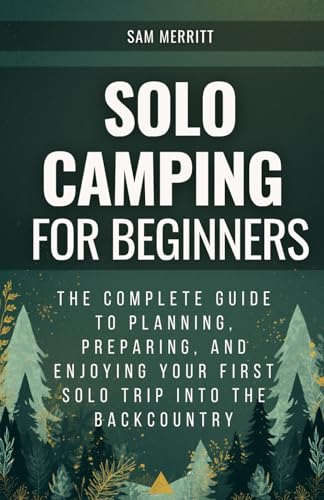
Solo Camping Checklist: Complete Gear & Safety Guide
Venturing into the wilderness alone is liberating. This comprehensive solo camping checklist ensures you stay safe, comfortable, and fully prepared — whether you’re a first-time solo camper or a seasoned minimalist.
Why a dedicated solo camping checklist? Camping alone means every piece of gear you carry is your responsibility — no sharing tents, stoves, or first aid kits. A solo camping guide requires a meticulous approach to weight, safety, and self-sufficiency. Unlike group camping where gear is distributed, solo adventurers need streamlined, multi-functional equipment. This checklist merges insights from backpacking checklists and car camping essentials, tailored for one person.
📋 Essential Solo Camping Gear Categories
🏕️ Shelter & Sleep System
- Lightweight tent (1-2 person) – solo-friendly: 2–4 lbs. Ultralight camping tents starting at $180–$350
- Sleeping bag (rated to season) – 20°F for three-season: $150–$300
- Sleeping pad (R-value ≥ 2.5) – inflatable or foam: $50–$160
- Camping pillow – compressible: $20–$45
- Emergency bivvy or space blanket – $10–$25
🍳 Cooking & Water
- Solo camp stove (canister or liquid) – compact camping stoves from $40–$120
- Mess kit / titanium mug + pot – $35–$70
- Spork +多功能 tool – $8–$20
- Water filter or purification tablets – $30–$100
- Collapsible water container (2-3L) – $15–$30
- Lighter / waterproof matches + backup fire starter
🔹 Solo camping meals should be no-cook or one-pot options: oatmeal, dehydrated backpacking meals ($8–$15 each).
🛡️ Safety & First Aid
- Personal first aid kit + blister care – $25–$60
- Bear spray (in grizzly country) – $35–$50
- Emergency whistle + signal mirror
- Headlamp + extra batteries – $25–$70
- Multitool or folding knife – $30–$90
- Personal locator beacon (PLB) or Garmin inReach – $200–$400
- Emergency communication device rental option available.
🧥 Clothing System (No Cotton)
- Base layer (merino/synthetic) – top & bottom: $60–$150
- Insulating mid-layer (fleece/puffy) – $70–$200
- Waterproof/windproof shell jacket – $100–$300
- Convertible hiking pants or softshell – $60–$120
- Wool hiking socks (2-3 pairs) – $15–$25 each
- Beanie + gloves + buff
- Camp shoes (lightweight crocs/water shoes) – $30–$50
Layering clothing guide for winter solo trips – crucial for unpredictable weather.
📍 Navigation & Power
- Topographic map + compass (know how to use)
- Handheld GPS or phone with offline maps: $150–$350
- Power bank (10,000–20,000 mAh) – $30–$70
- Solar charger for extended trips: $50–$120
- Downloaded maps: best offline maps apps (Gaia, AllTrails)
🔧 Repair & Miscellaneous
- Duct tape (wrap around trekking pole)
- Tent repair patches + seam sealer
- Multi-tool with pliers
- Trekking poles (optional but balance aid) – $60–$150
- Pack liner / dry bags (keep sleeping bag dry)
- Toilet kit: trowel, biodegradable wipes, hand sanitizer
- Small camping lantern or string lights for campsite comfort: $20–$45
🗺️ Pre-Trip Planning: Solo-Specific Steps
Before you head out alone, follow these non-negotiable protocols:
- Share your itinerary – send detailed route, campsite location, and return time to emergency contact.
- Check weather & fire bans via reliable weather alerts and current fire bans.
- Test your gear – set up tent, test stove, charge electronics before driving to trailhead.
- Learn basic self-rescue – watch videos on what to do if lost and hypothermia recognition.
- Choose well-marked trails – for first-time solo, use state park camping with ranger stations.
⚠️ Solo Camping Safety: Managing Risks Alone
🐻 Wildlife Encounters
Camping alone means no one to help scare off animals. Follow proper food storage using bear canisters ($70–$100) or bear hangs. Make noise while hiking and carry bear spray where applicable. Bear spray vs firearm — experts recommend spray for effectiveness and weight.
🏥 Medical Emergencies
Without a buddy, a twisted ankle can become critical. Pack a lightweight wilderness first aid kit with SAM splint, leukotape, and antiseptic. Consider taking a WFA course. Common camping injuries — blisters, cuts, dehydration — all are manageable solo if prepared.
🌲 Navigation & Getting Lost
Always carry physical map + compass. GPS vs smartphone for solo camping: both have pros, but don't rely solely on a phone (battery dies, no signal). Pre-download offline maps on two devices.
🍲 Solo Meal Planning: Minimalist & Nutritious
Simplify your camp kitchen for one person: Choose easy-to-cook, calorie-dense backpacking meals. Average cost per solo meal: $6–$12 for dehydrated brands. Alternatively, bring instant rice, tuna pouches, and cheese. A lightweight camping cookware set (550ml–900ml pot) is all you need. For coffee lovers, small camping kettle ($20–$35) works perfectly on a solo stove. Never forget a long-handled spoon to avoid burns.
Sample one-day meal plan: Oatmeal + protein powder (breakfast), tortilla + peanut butter + jerky (lunch), mac & cheese + dehydrated veggies (dinner). Total weight ~1.2 lbs. And always pack an extra 500 calories for emergency.
Summer solo: 8–12 lbs | 3-season solo: 12–18 lbs | Winter solo: 18–25 lbs. Use camping backpack 40–60L with suspension system. Lightweight gear reduces fatigue, boosting safety when hiking alone.
❓ Solo Camping FAQ: Answers for First-Timers
Ready to Plan Your Solo Adventure?
Use this solo camping checklist to pack smart, stay safe, and enjoy the silence of the wild. For deeper dives, explore our first time camping checklist and camping essentials for more gear insights.
📄 Download Printable Checklist (PDF)