The Complete Guide to Big Family Tents with Rooms and a Living Room
Transform your family camping trips with a spacious multi-room tent that offers privacy, comfort, and a dedicated living area for relaxing, dining, and making memories.
VIEW RECOMMENDED TENTSWhy Size and Layout Matter: A tent with separate rooms and a living area is the gold standard for family or group camping. It provides parents with privacy, gives kids their own space, and offers a sheltered common area for rainy days. This guide will help you navigate the key features, sizes, and top-rated options available today.
What Defines a Big Family Tent with Rooms?
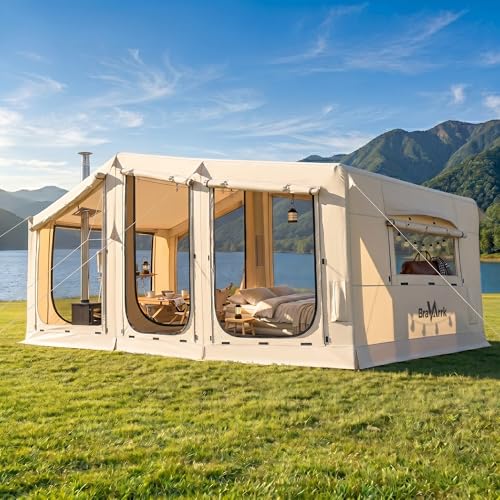
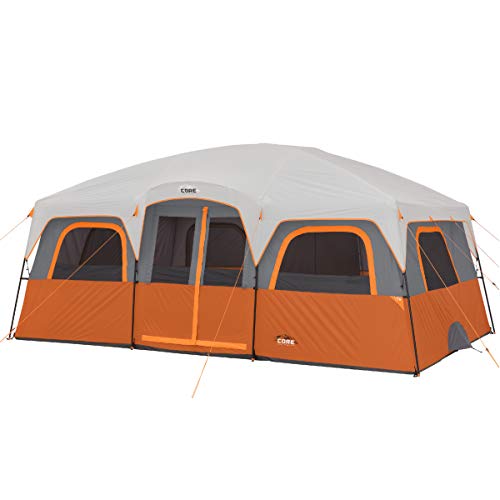
When we talk about a big family tent with rooms and a living room, we're moving beyond the basic dome. These are typically cabin-style or modified dome tents with a capacity of 8 persons or more. The defining feature is the presence of sewn-in or zippered room dividers that create distinct private sleeping chambers, alongside a generous central or front "living room" area. This living space is often tall enough to stand in, making it perfect for setting up camping tables and camping chairs for meals or games.
Unlike a single-room tent where everyone is in one open space, these multi-room designs replicate the feel of a small cabin. You can expect straight or near-vertical walls that maximize usable interior space, multiple entry points to avoid climbing over sleeping bags, and often an integrated screen porch that serves as an additional living room. For families who prioritize comfort and organization on longer trips, this style of tent is unmatched.
Key Benefits of a Multi-Room Camping Tent
Investing in a large, compartmentalized tent changes the entire camping dynamic. It's not just about having more square footage; it's about how that space is organized. Here are the primary advantages that make these tents a favorite for family camping and group adventures.
Typical Room Configurations to Consider
Manufacturers design these tents with flexibility in mind. You can often adapt the layout to suit your group's needs, whether you're camping with toddlers, teenagers, or friends.
This structured layout directly addresses the common pain points of camping with a group. There’s a designated "mud room" area to remove shoes, a dry place for gear storage, and private corners to change clothes without acrobatics. This level of organization significantly reduces campsite clutter and stress, especially if you're packing with a detailed family camping checklist.
Must-Have Features to Look For
Before choosing a tent, look beyond the claimed capacity. A 10-person tent might technically fit ten sleeping bags, but it won't be comfortable without the right structural and convenience features. Prioritize these elements for a truly functional living space.
- Vertical Walls & Peak Height: Look for a center height of at least 78 inches so most adults can stand upright. This is non-negotiable for a genuine living room feel.
- Seam-Sealed Rainfly & Bathtub Floor: A full-coverage rainfly is essential, and a bathtub-style floor with sealed seams will keep groundwater out of your living area.
- Room Dividers: Ensure the dividers are made of a durable, opaque fabric that can be zipped open and closed. Mesh dividers offer less privacy.
- Multiple E-Ports and Pockets: With so much interior space, integrated cable ports and storage pockets become crucial for keeping the living room tidy and devices powered from your camping power banks.
- Superior Ventilation: Large mesh windows, ground vents, and mesh ceiling panels are vital to prevent condensation in a tent filled with people.
Top Recommendations for Spacious Family Tents
The market offers several excellent designs. Our top recommendations balance quality materials, weather resistance, and intelligent room layouts. Expect to pay around $400–$600 for a durable, weather-resistant 10-person cabin tent from a reputable brand. For advanced, instant-setup designs with integrated LED lighting or premium fabrics, prices can range from $600 to over $1,000.
One standout style is the 12-person 3-room instant cabin tent. This design usually features a massive central living room, two private side bedrooms, and an additional front screen room. Another popular choice for extended families is the 14-person 4-room base camp tent, which provides multiple entrances and unmatched privacy. For those who want the ultimate in weather protection and space, consider a giant family tent with a living room and private bedroom compartments made from thicker, more robust canvas or heavy-duty polyester.
It’s important to match the tent size to your typical group. A giant family tent with a living room and private bedroom is an investment, but one that pays off in decades of comfortable adventures. Remember that a tent's "room" can be flexibly used: a side bedroom can become a dedicated gear storage room, a children's play area, or a cozy sleeping nook for pets, provided you follow guidelines for camping with a dog in a tent.
Is a Multi-Room Tent Right for You?
While the allure of a canvas palace in the woods is strong, these tents aren't for everyone. Weigh the practical realities before making your purchase.
Pros
- Unbeatable privacy and space for families.
- Stand-up height throughout the living area.
- Great for handling bad weather days comfortably.
- Separate spaces for sleeping, dining, and storage.
Cons
- Heavier and bulkier; not suitable for backpacking.
- Requires a large, level campsite footprint.
- Longer setup time, often needing two people.
- Can be harder to keep warm without a dedicated camping heater.
Expert Tips for Setting Up Your Basecamp
To get the most out of your tent, practice setting it up at home first. Pay close attention to the footprint, as a 12-person tent with a screen room can be 16 feet long or more. Bring a tarp or a custom-fit camping tarp to protect the floor from moisture and sharp objects. When dividing the interior, use interlocking camping mats in the living room for added comfort underfoot, and orient the tent so the screen porch offers the best view. Finally, never cook inside the living room; always use your camping stove outside or in a fully open screen porch to prevent carbon monoxide poisoning and food odors from attracting wildlife. For more foundational tips, review the first time camping tips guide.