The United States is home to some of the most diverse and spectacular camping destinations on Earth. With over 400 national park sites, thousands of state parks, millions of acres of national forest, and vast stretches of public BLM land, the options for outdoor adventurers are virtually limitless. Whether you are searching for a family-friendly campground with full amenities or a remote backcountry site far from civilization, there is a perfect destination waiting for you.
However, the sheer number of choices can be overwhelming. That is why we have created this comprehensive guide — to help you narrow down the best camping destinations based on your experience level, preferred landscape, travel style, and the type of camping experience you are looking for. Each destination listed here has been carefully evaluated for scenic quality, campground facilities, accessibility, and overall value for campers.
Before diving into specific locations, it is essential to understand the different styles of camping available at each destination. Some campgrounds are designed for RV camping with full hookups, while others cater to backcountry campers seeking solitude. Knowing what each destination offers will help you pack the right camping essentials and plan a trip that matches your expectations.
Types of Camping Destinations
Not all camping destinations are created equal. Understanding the main categories will help you choose a location that fits your travel style, comfort preferences, and the overall experience you want. Here are the primary types of camping destinations you will encounter across the United States:
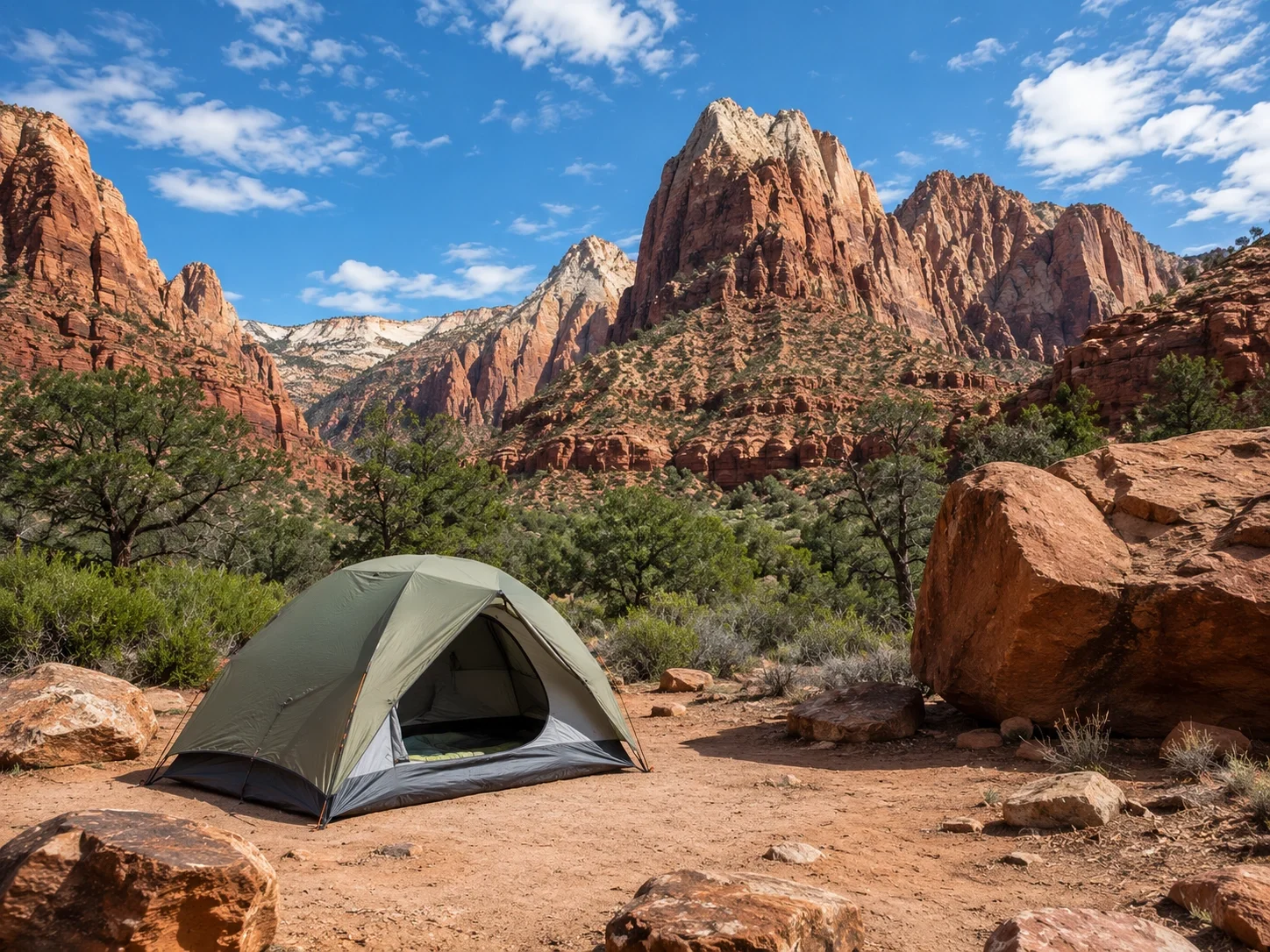
National Parks
These crown jewels of the American landscape offer world-class scenery and well-maintained campgrounds. Expect high demand during peak season, with reservations often required months in advance. Facilities range from primitive sites to full-hookup RV parks.
Learn about National Park rules →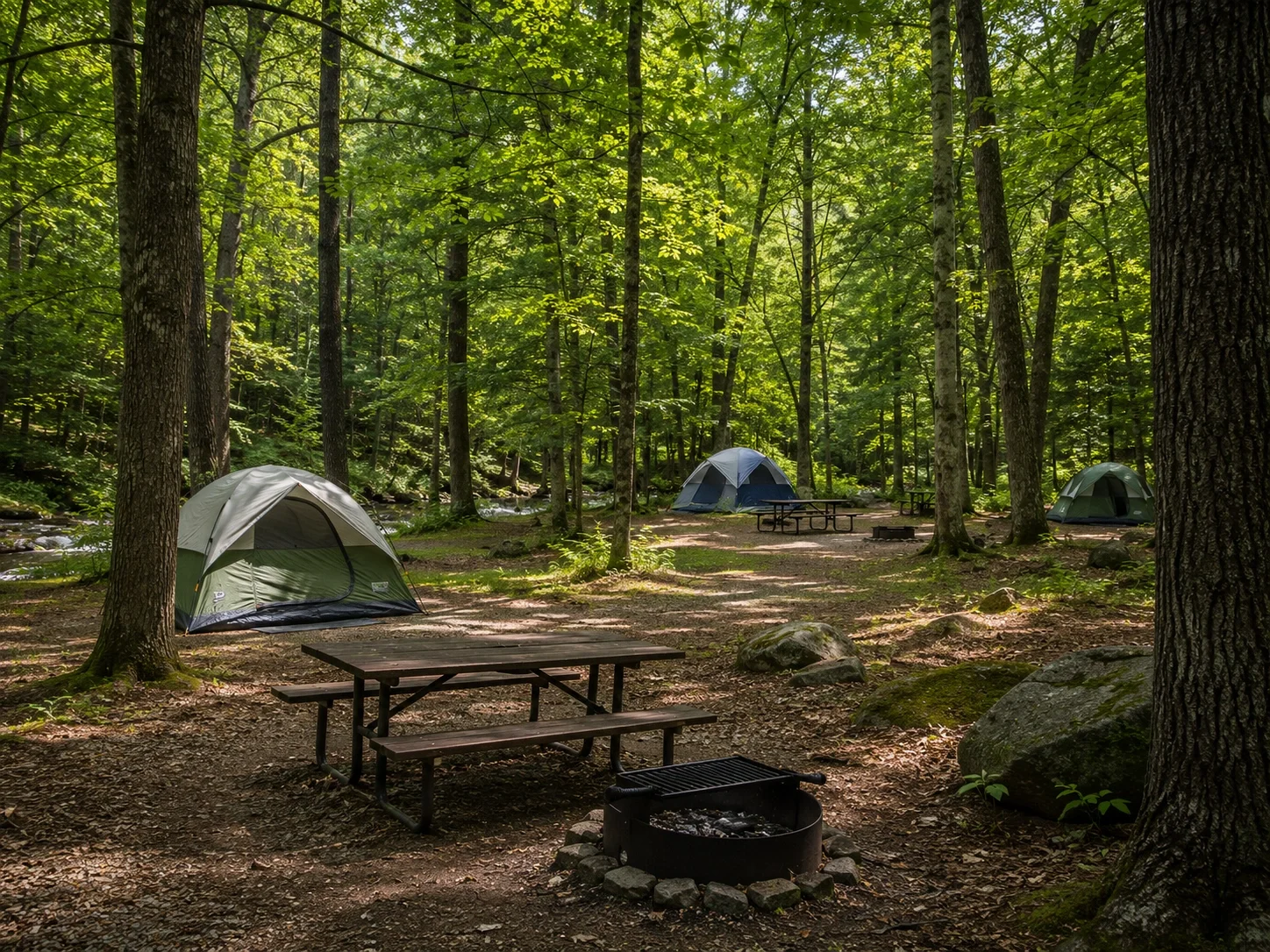
State Parks
Often less crowded than national parks, state parks deliver exceptional value. Most nightly fees fall within the entry-level tier, and many offer electric and water hookups, shower facilities, and well-maintained trails. They are ideal for family camping trips.
Explore State Park camping →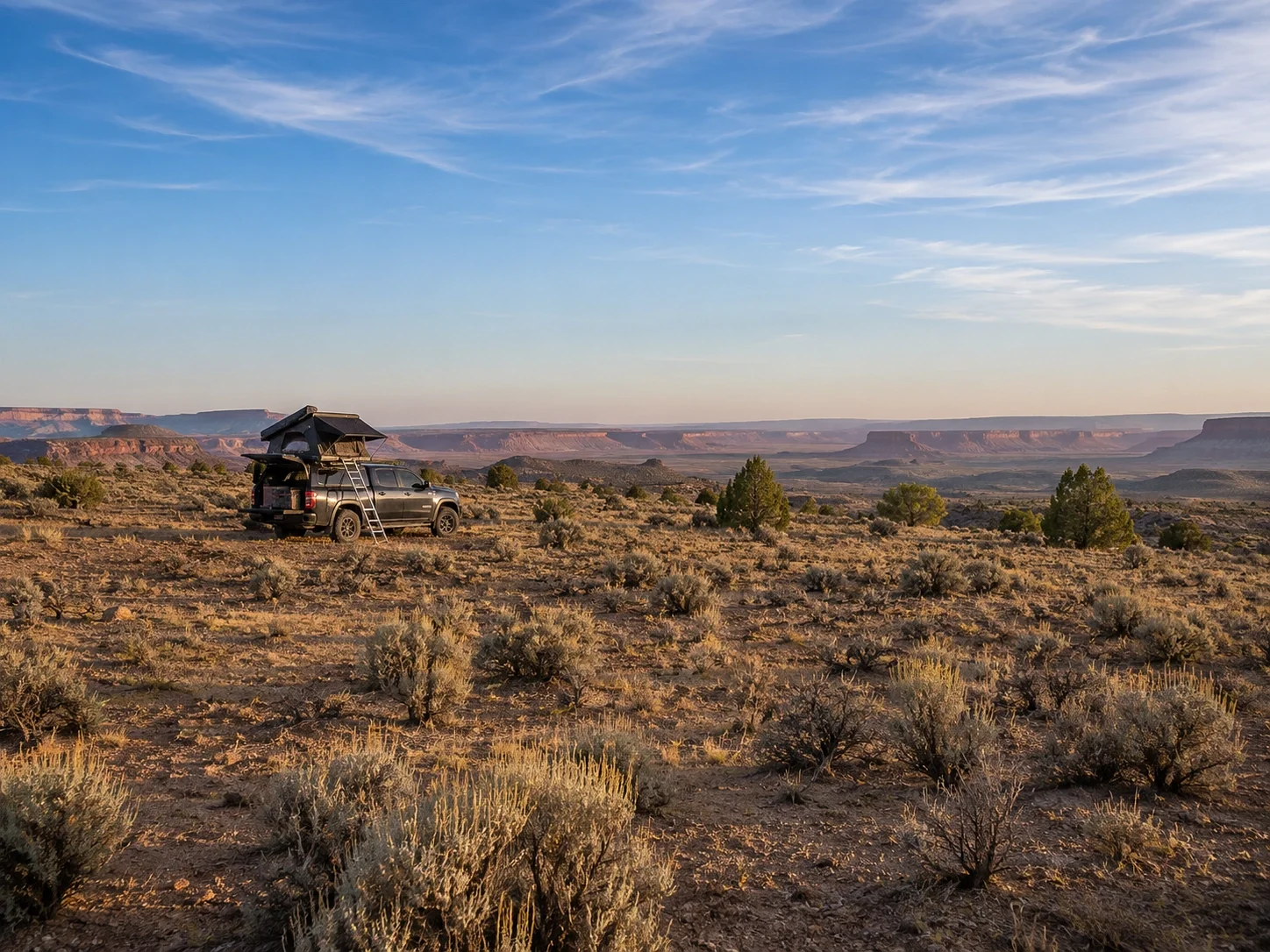
BLM & Dispersed Land
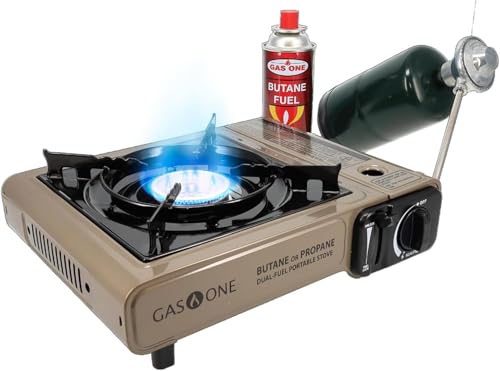
Bureau of Land Management (BLM) properties and national forests allow dispersed camping — often at no charge. These sites have no facilities, so you will need to be fully self-sufficient with your own camping stove, water, and portable toilet setup.
Guide to BLM camping →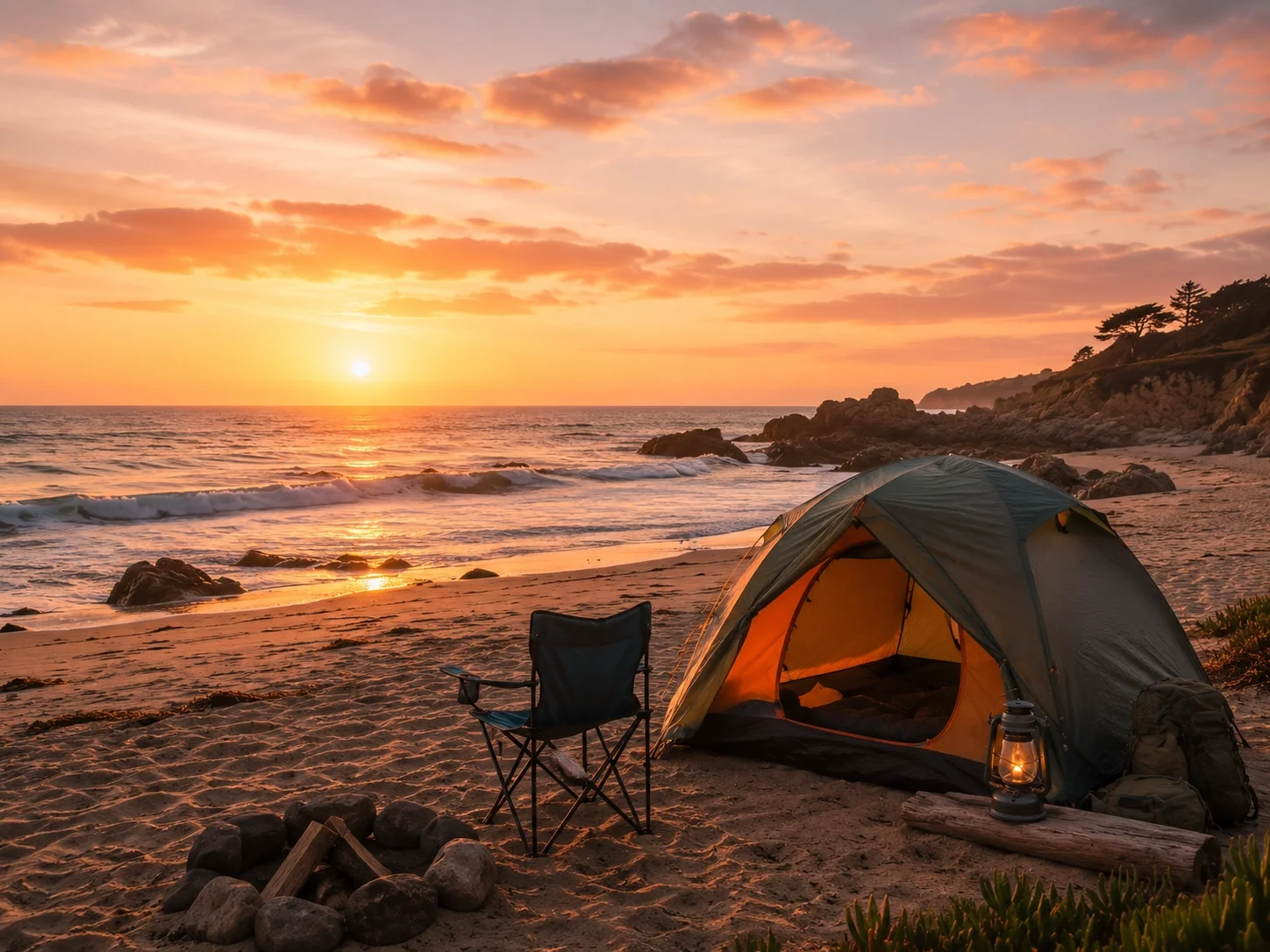
Beach & Coastal
Falling asleep to ocean waves is an experience like no other. Beach camping destinations range from developed coastal campgrounds with showers to primitive shoreline sites. Wind protection and salt-resistant tent materials are critical here.
Beach camping checklist →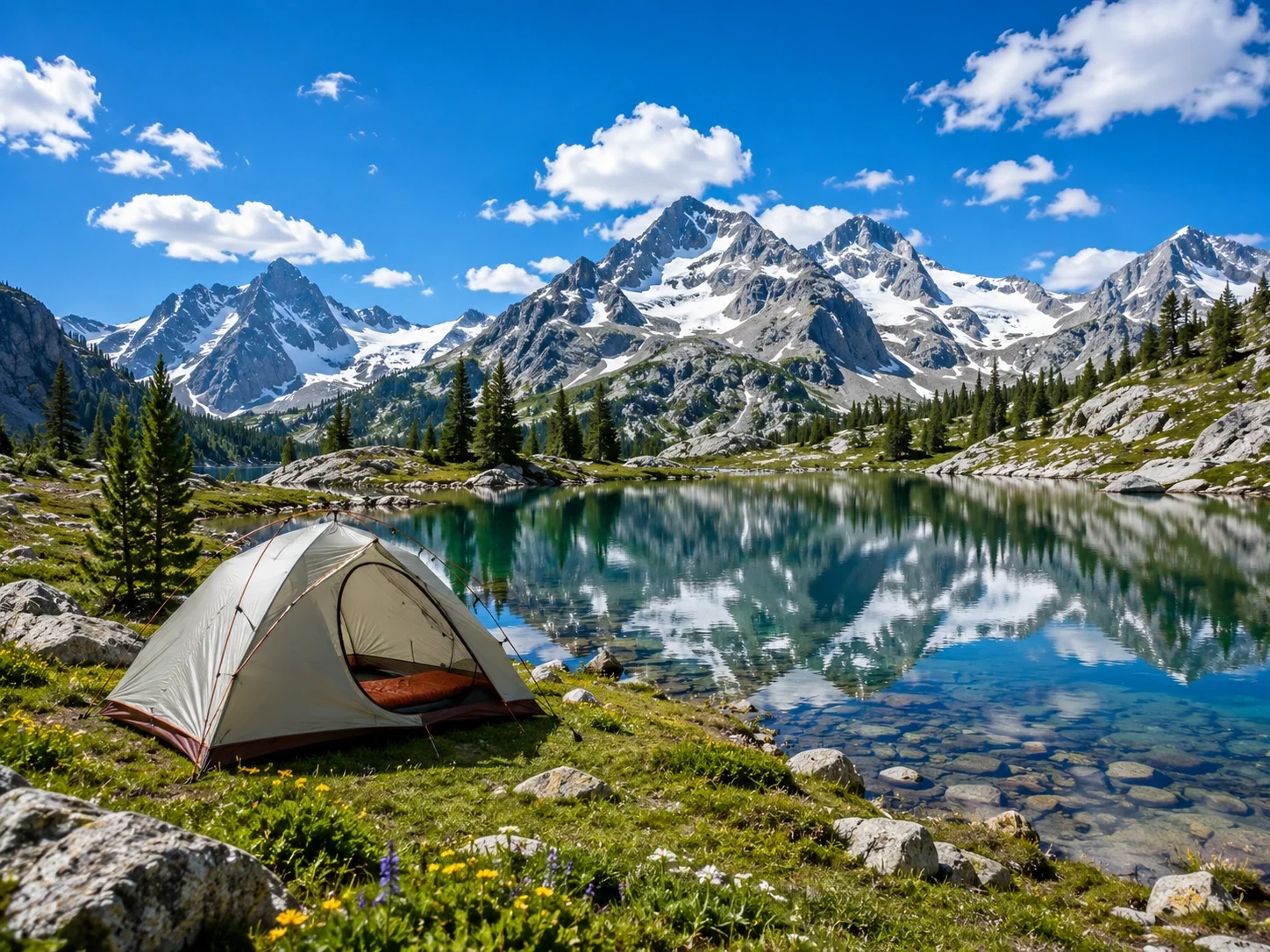
Mountain & Alpine
High-elevation camping delivers crisp air, stunning vistas, and cooler temperatures even in summer. Destinations above 8,000 feet require proper insulation and awareness of altitude sickness. Many mountain sites are accessible only by hiking.
Mountain camping checklist →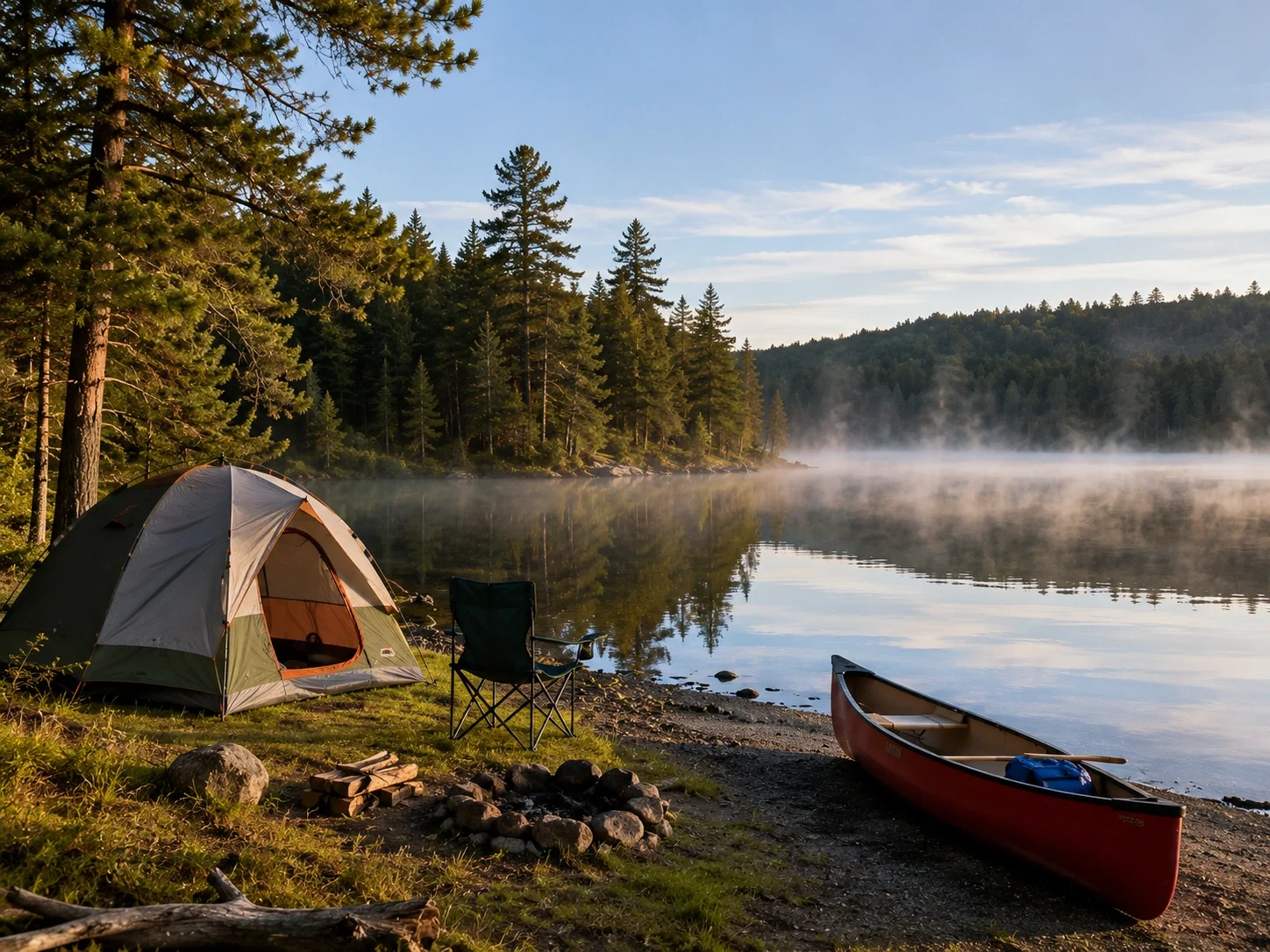
Lakeside & Riverside
Waterfront campsites are among the most sought-after destinations. Lake camping offers fishing, kayaking, and swimming right from your site. These locations fill quickly, so early reservations are strongly recommended.
Explore lake camping →Best Camping Destinations by Region
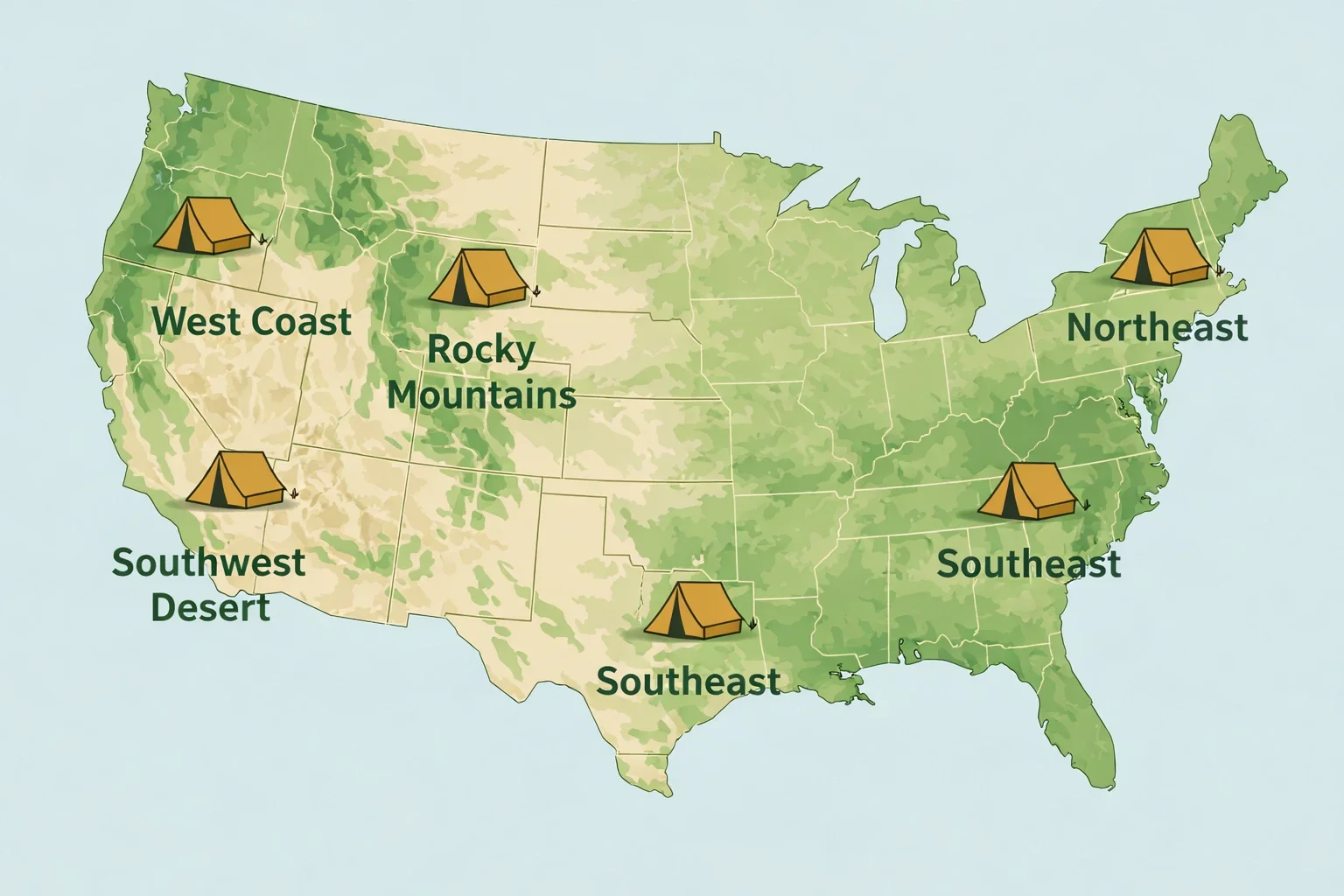
The United States spans an enormous range of landscapes, from volcanic islands to arid deserts, from ancient forests to rolling grasslands. To help you navigate these options, we have organized the top destinations into four major regions, each with its own distinct character and camping culture.
Western United States
The West Coast and interior West offer some of the most iconic camping landscapes in the world — towering sequoias, dramatic coastlines, volcanic peaks, and vast high deserts. This region is a mecca for outdoor enthusiasts and includes several of the most visited national parks in the system.
Yosemite National Park, California
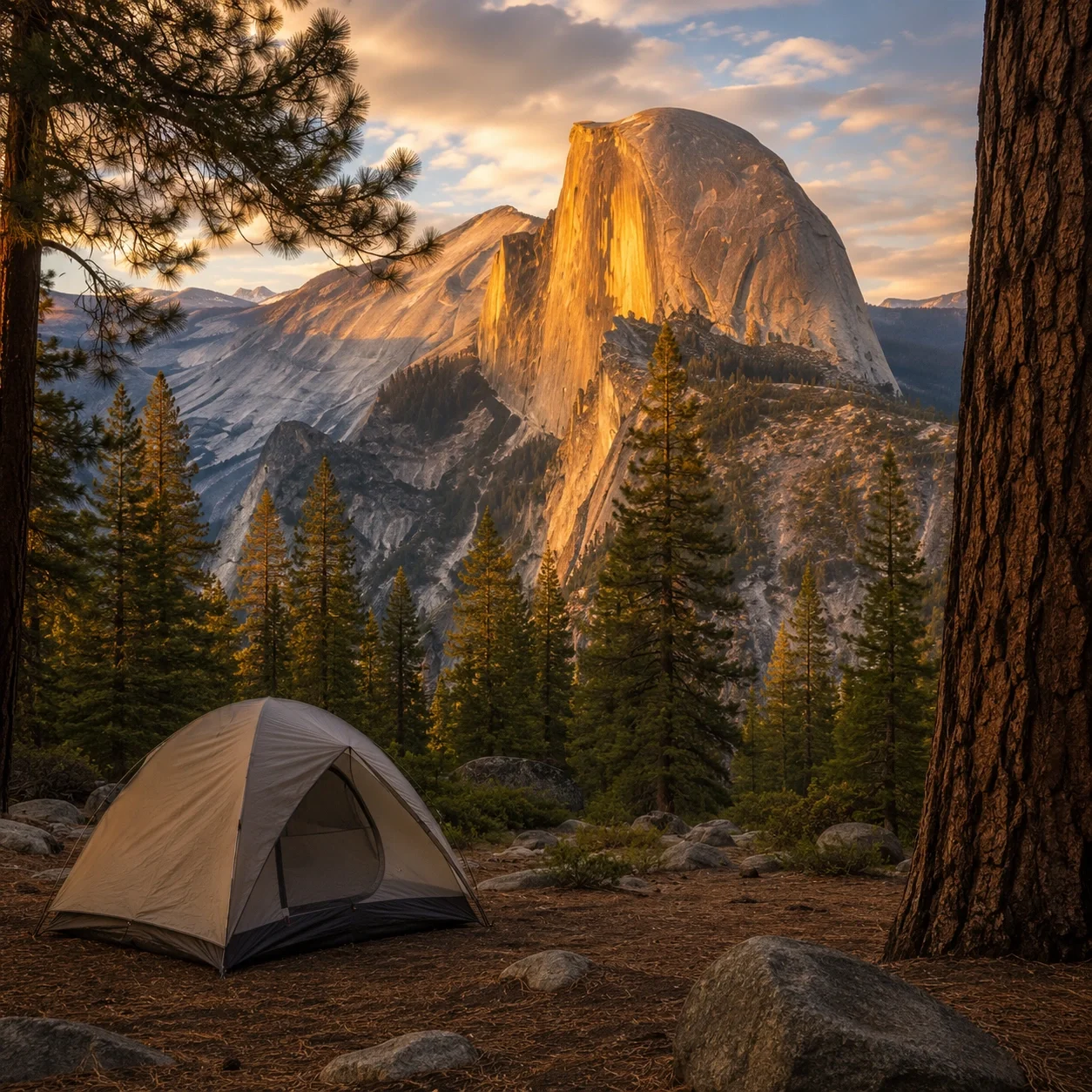
Home to granite monoliths, giant sequoia groves, and thundering waterfalls. Yosemite offers 13 campgrounds with over 1,500 sites. Reservations open 5 months in advance and sell out within minutes.
Most Popular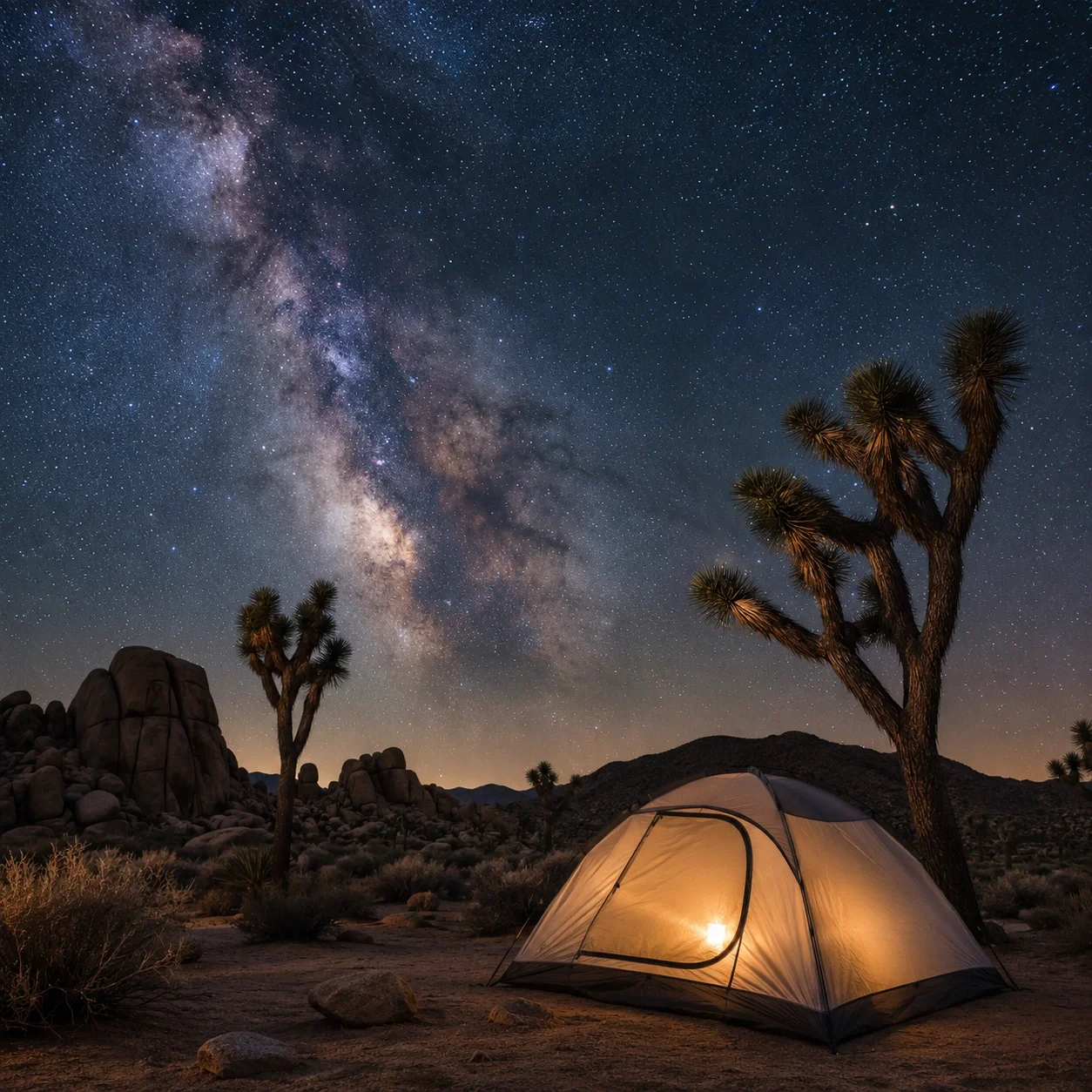
Joshua Tree National Park, California
A surreal desert landscape where the Mojave and Colorado deserts meet. Famous for its namesake trees, incredible stargazing, and unique rock formations. Best visited October through May.
Desert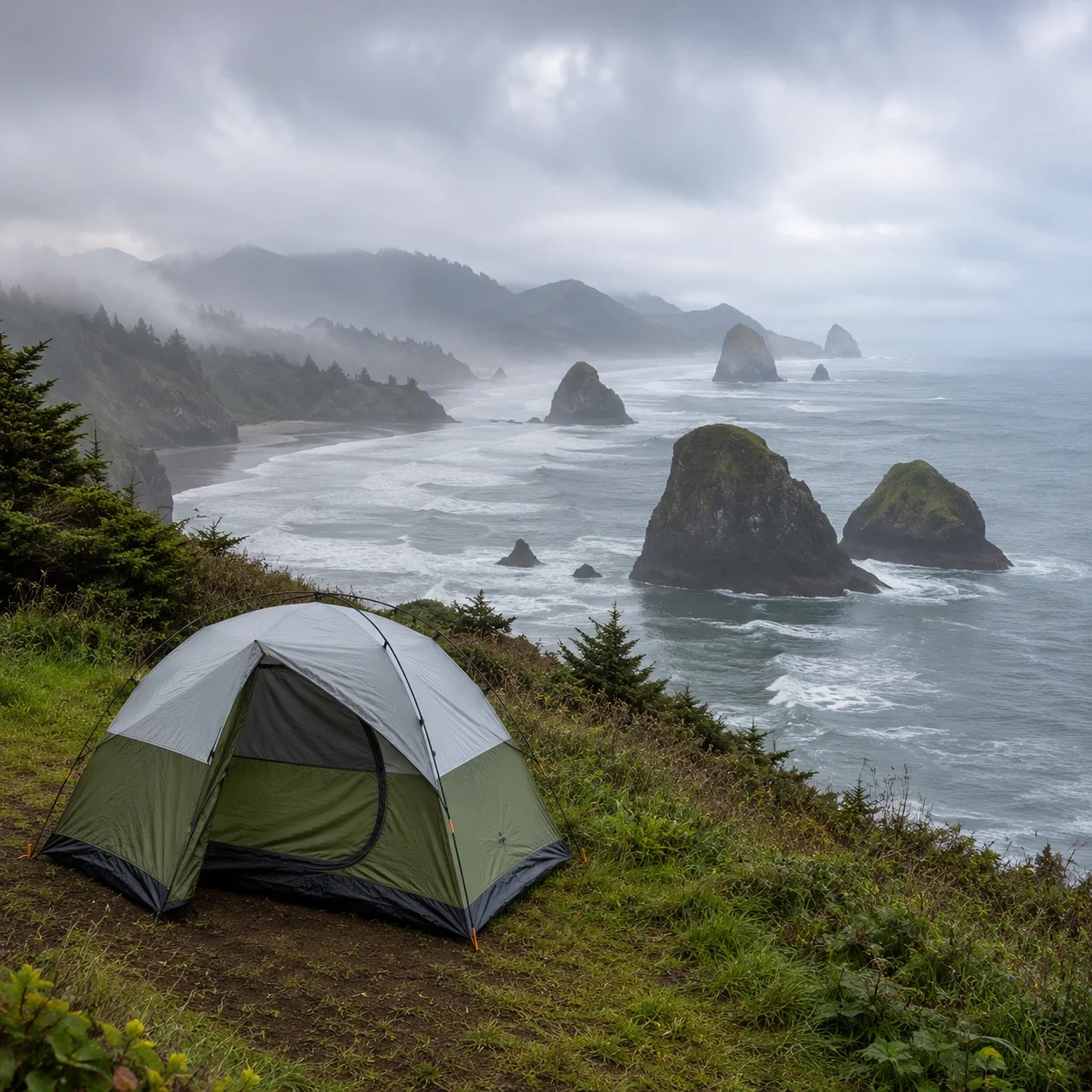
Oregon Coast
Over 360 miles of public coastline with numerous state park campgrounds perched above dramatic sea stacks and sandy beaches. Expect cool temperatures year-round and bring rain gear.
Coastal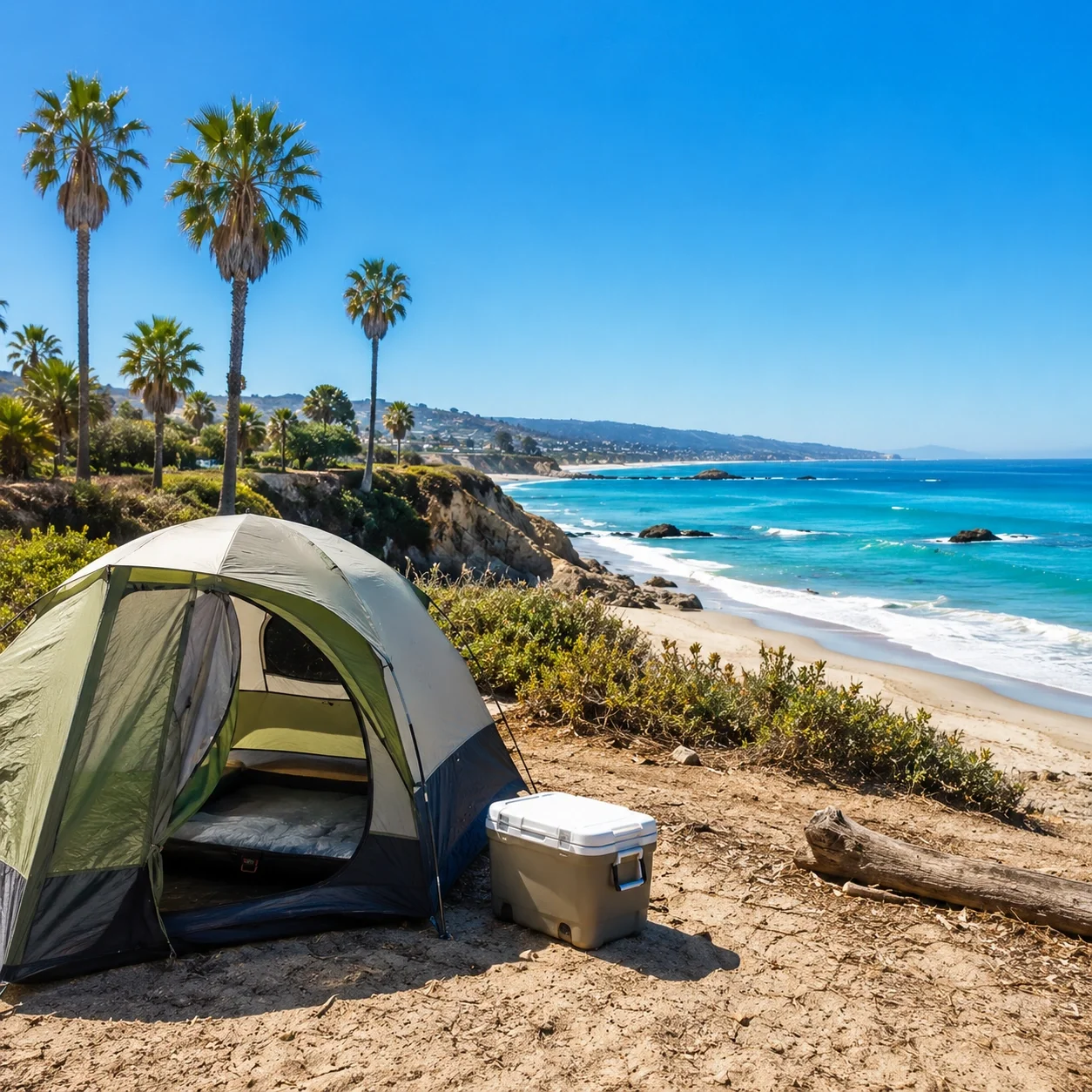
California Beach Campgrounds
From San Diego to the Lost Coast, California offers beach camping options for every travel style. Sites range from entry-level to mid-range tiers. Summer bookings require planning 6 months ahead.
BeachMountain States
The Rocky Mountain corridor from Montana down to New Mexico delivers some of the most dramatic high-altitude camping in North America. This region is defined by snow-capped peaks, alpine lakes, geothermal wonders, and vast wilderness areas that reward those willing to venture beyond the pavement.
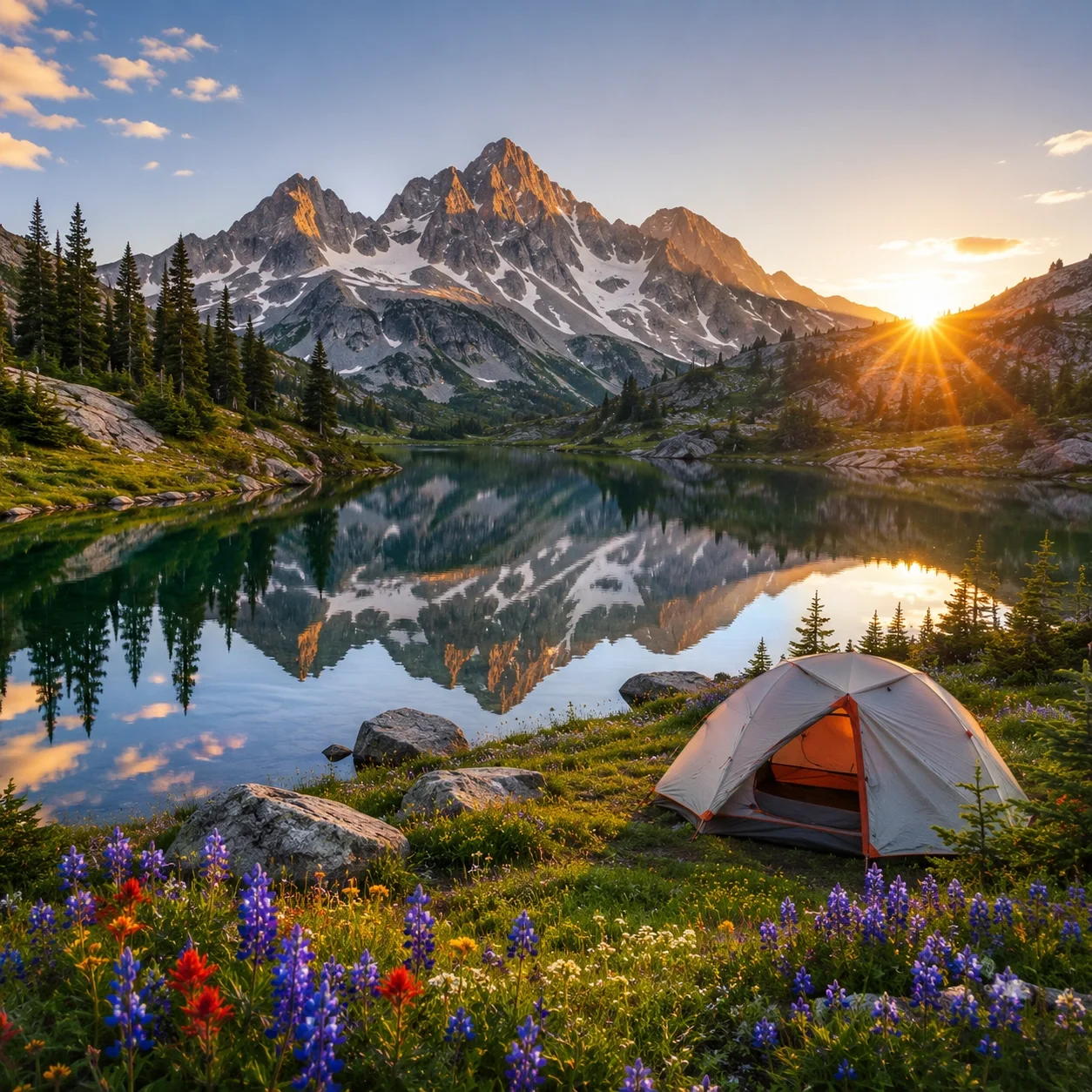
Colorado Rockies
With over 300 days of sunshine and 54 peaks above 14,000 feet, Colorado is a camper's paradise. Dispersed camping is abundant on national forest land. Elevations above 9,000 feet require cold-weather preparation even in summer.
High Altitude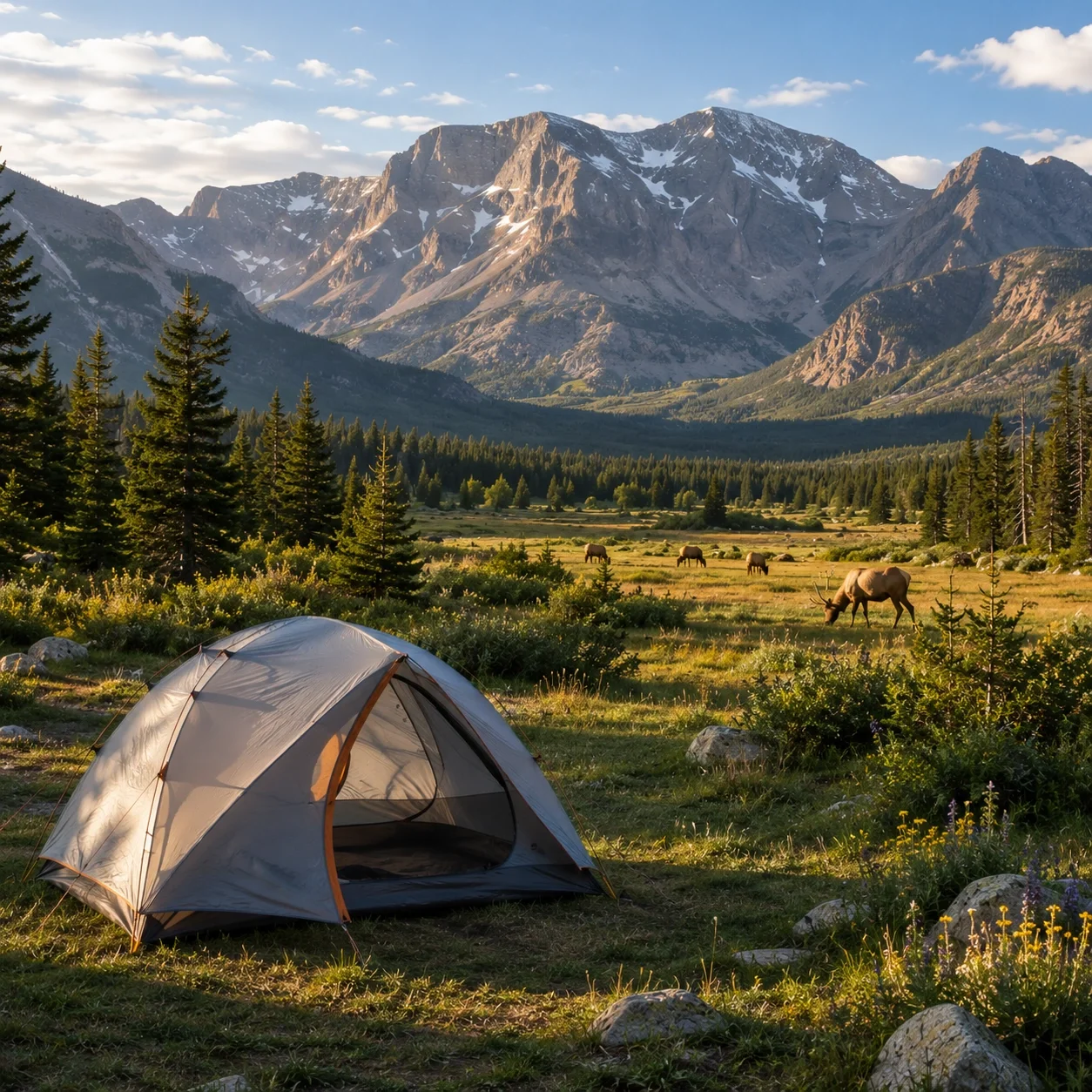
Rocky Mountain National Park, Colorado
Five developed campgrounds and over 200 backcountry sites. Trail Ridge Road — the highest paved road in America — provides access to alpine tundra above 12,000 feet. Timed entry permits required in summer.
National Park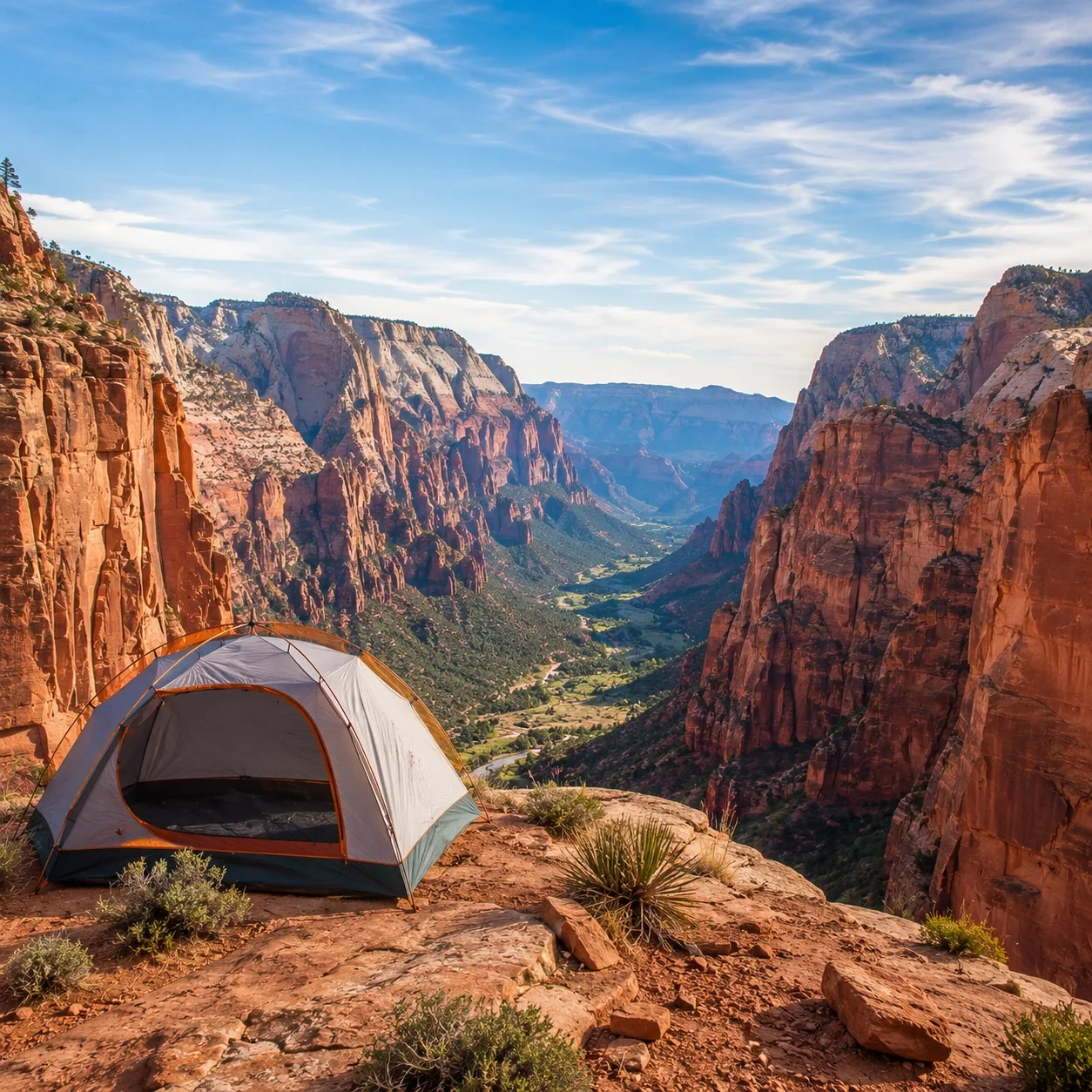
Utah's Mighty 5
Zion, Bryce Canyon, Capitol Reef, Arches, and Canyonlands form the most concentrated collection of stunning geology in the country. Each park offers distinct camping experiences from canyon floor to rim-top.
Red Rock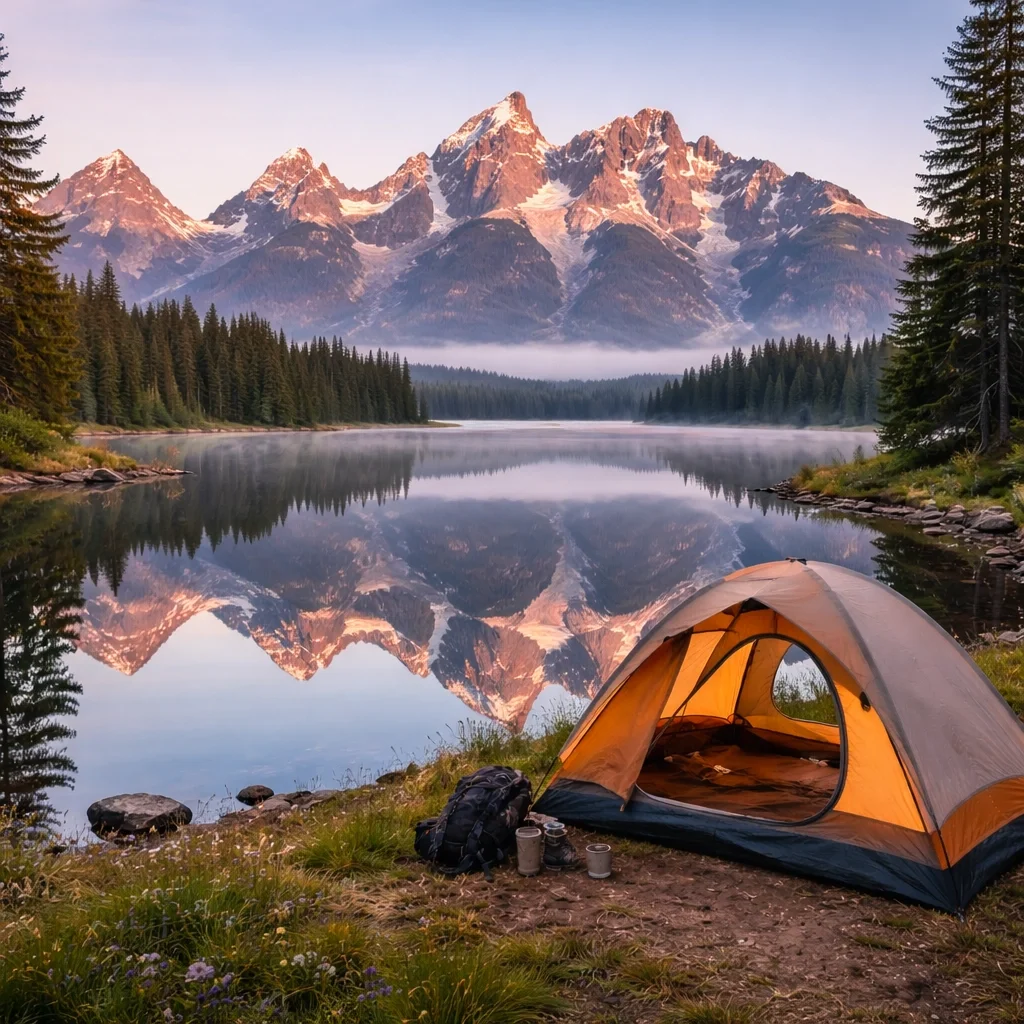
Grand Teton National Park, Wyoming
Spectacular jagged peaks rising from pristine lakes. Six campgrounds with over 1,000 sites. Combine with a visit to neighboring Yellowstone for the ultimate mountain camping road trip.
Iconic PeaksSouthern United States
The South offers a surprising diversity of camping experiences — from subtropical springs and swamp ecosystems to desert canyons and rolling hills. Mild winters make this region ideal for snowbirds and year-round campers, while spring and fall deliver the most comfortable conditions.
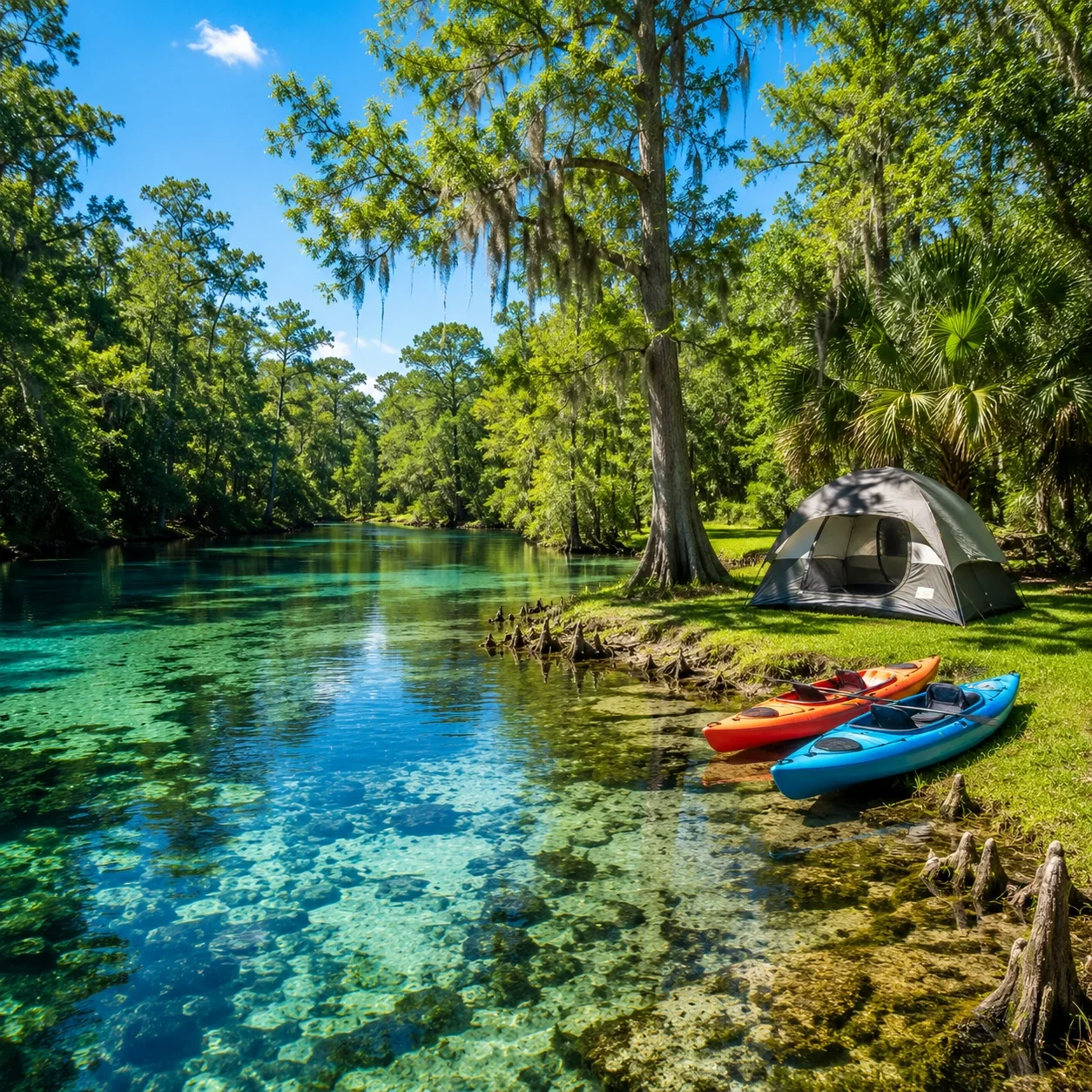
Florida Springs
Over 700 natural springs dot the Florida landscape, many with adjacent campgrounds. Water temperatures remain a constant 68–72°F year-round. Ideal for swimming, snorkeling, and manatee watching in winter months.
Tropical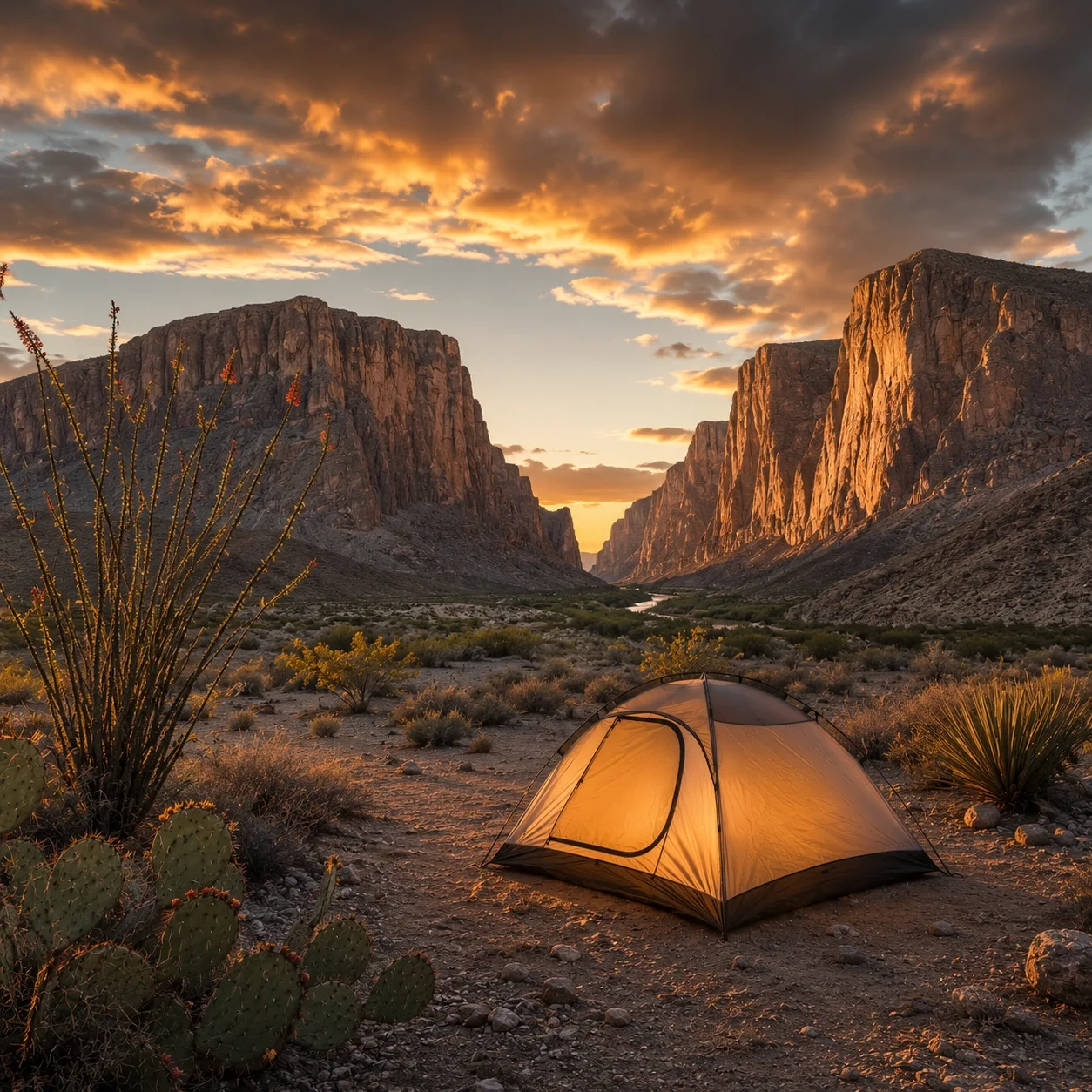
Big Bend National Park, Texas
One of the most remote and least-visited national parks, Big Bend spans desert, mountain, and river environments along the Rio Grande. Three developed campgrounds and extensive backcountry options. Spring and fall are optimal.
Remote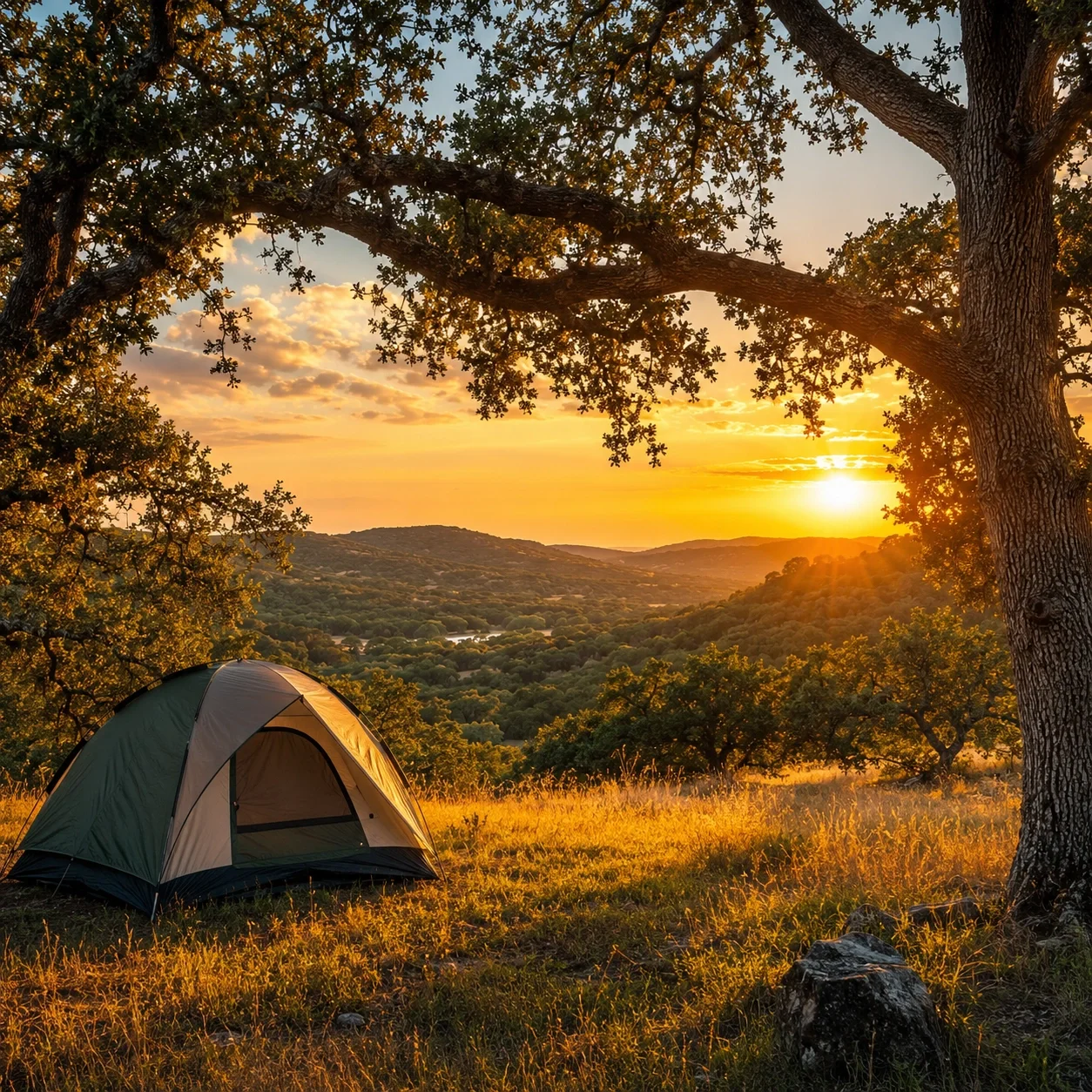
Texas State Parks
Over 90 state parks offer camping in the entry-level tier — among the best values in the country. The Hill Country region near Austin and San Antonio is particularly popular for weekend camping getaways.
Budget-Friendly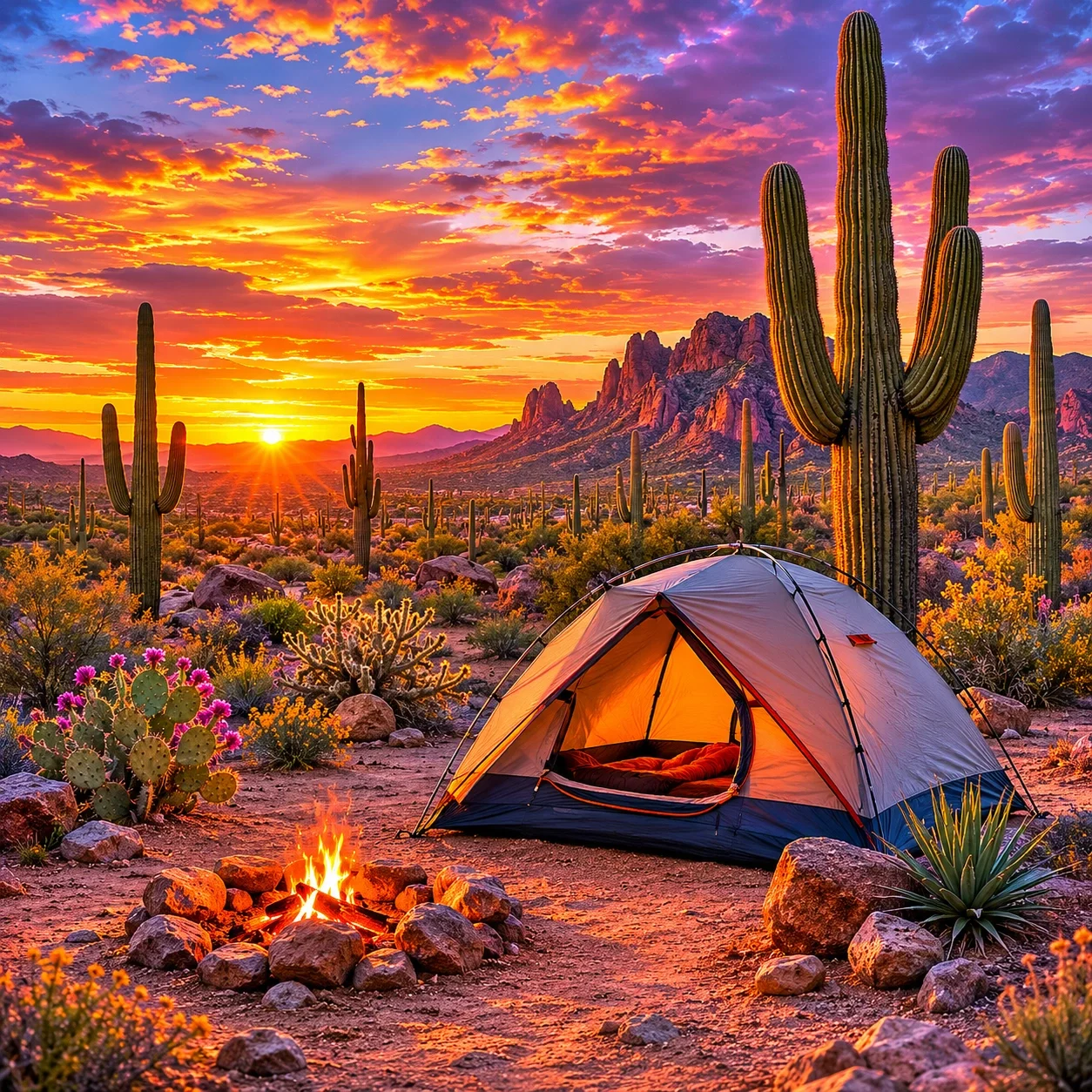
Arizona Desert Camping
From Saguaro National Park to the Sonoran Desert, Arizona offers unique desert camping with spectacular sunsets. Winter is the peak season when temperatures are comfortable. Summer temperatures can exceed 110°F — plan accordingly.
DesertEastern United States
The eastern half of the country is defined by ancient Appalachian mountains, dense deciduous forests, rocky coastlines, and thousands of lakes. Camping here tends to be more accessible, with shorter distances from major population centers, but the natural beauty is every bit as powerful as the West.
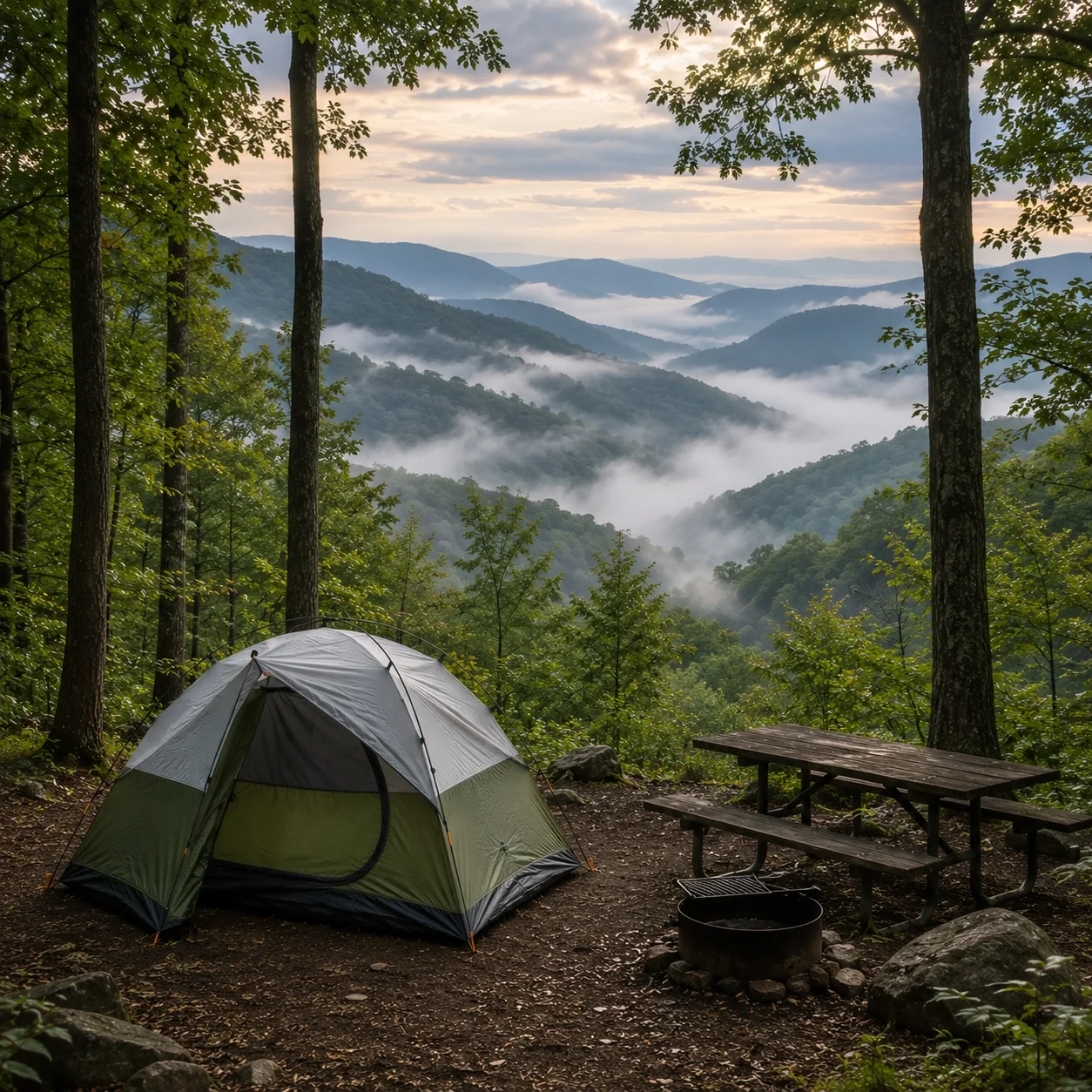
Great Smoky Mountains, TN/NC
The most visited national park in America, with 10 developed campgrounds and over 100 backcountry sites. No entrance fees. The park's incredible biodiversity includes over 1,500 species of flowering plants.
Most Visited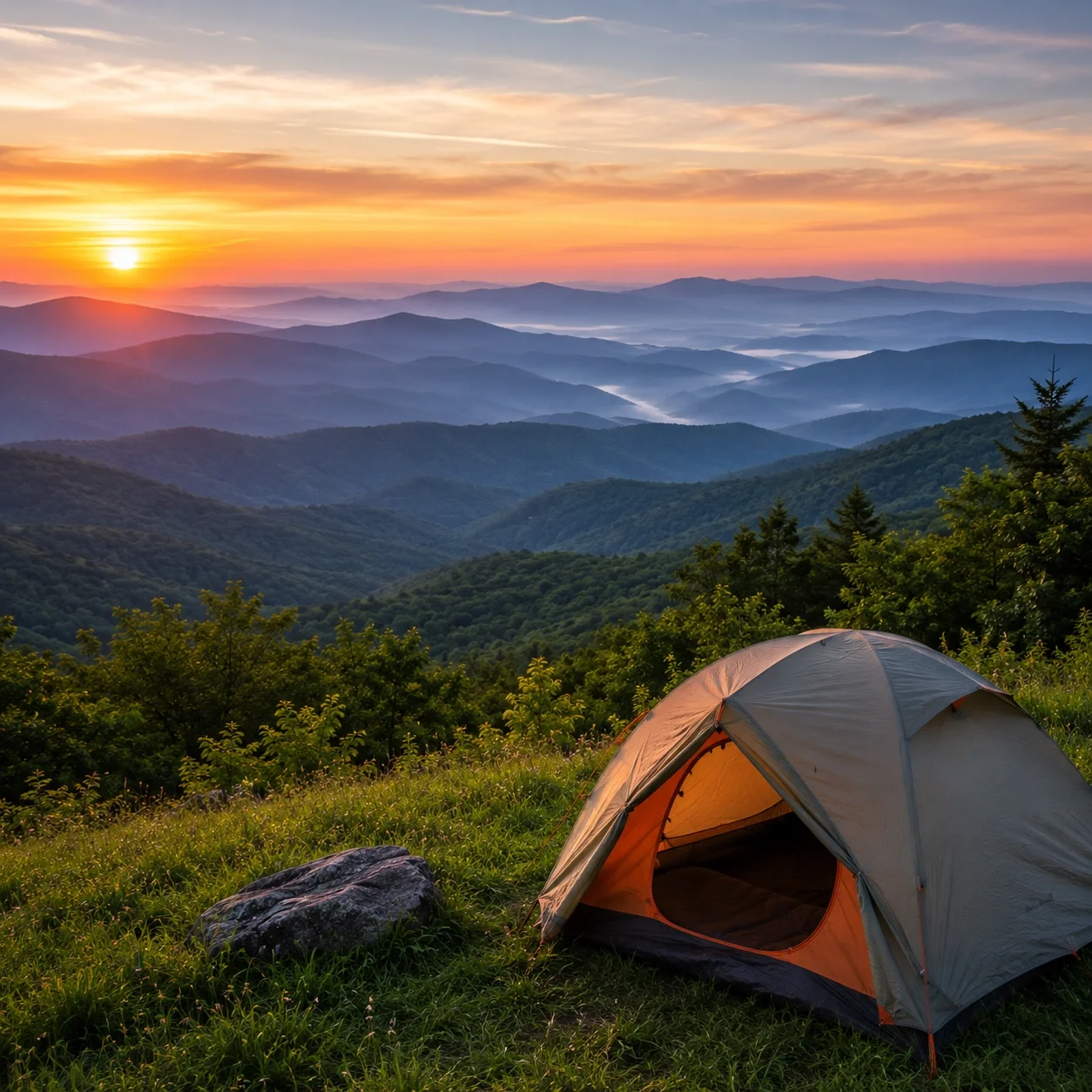
Blue Ridge Parkway, VA/NC
469 miles of scenic roadway with eight campgrounds along the route. Sites are first-come, first-served and offered at entry-level rates. Fall foliage season (October) is the most popular time to visit.
Scenic Drive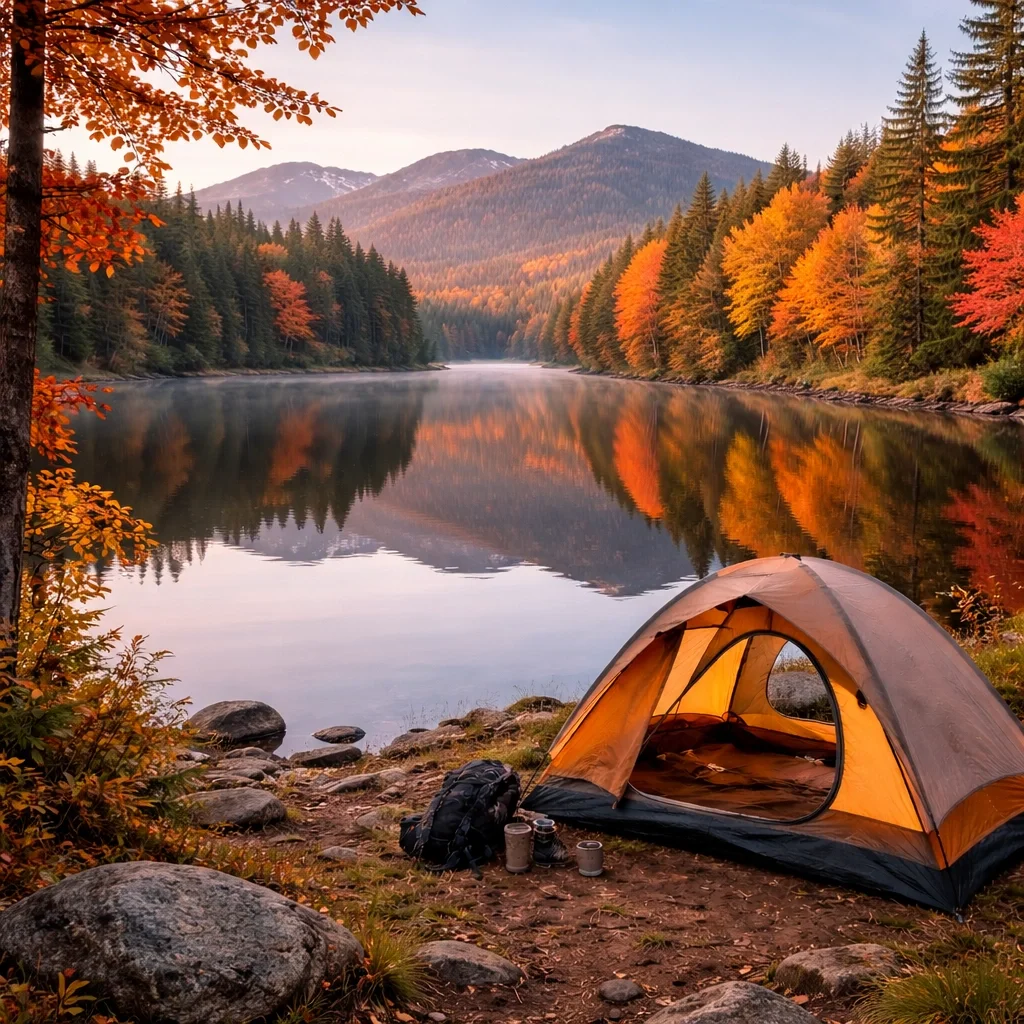
Adirondack Mountains, New York
Six million acres of protected wilderness — the largest park complex in the lower 48. Over 3,000 lakes and ponds, countless hiking trails, and both developed and primitive camping options. A true four-season destination.
Wilderness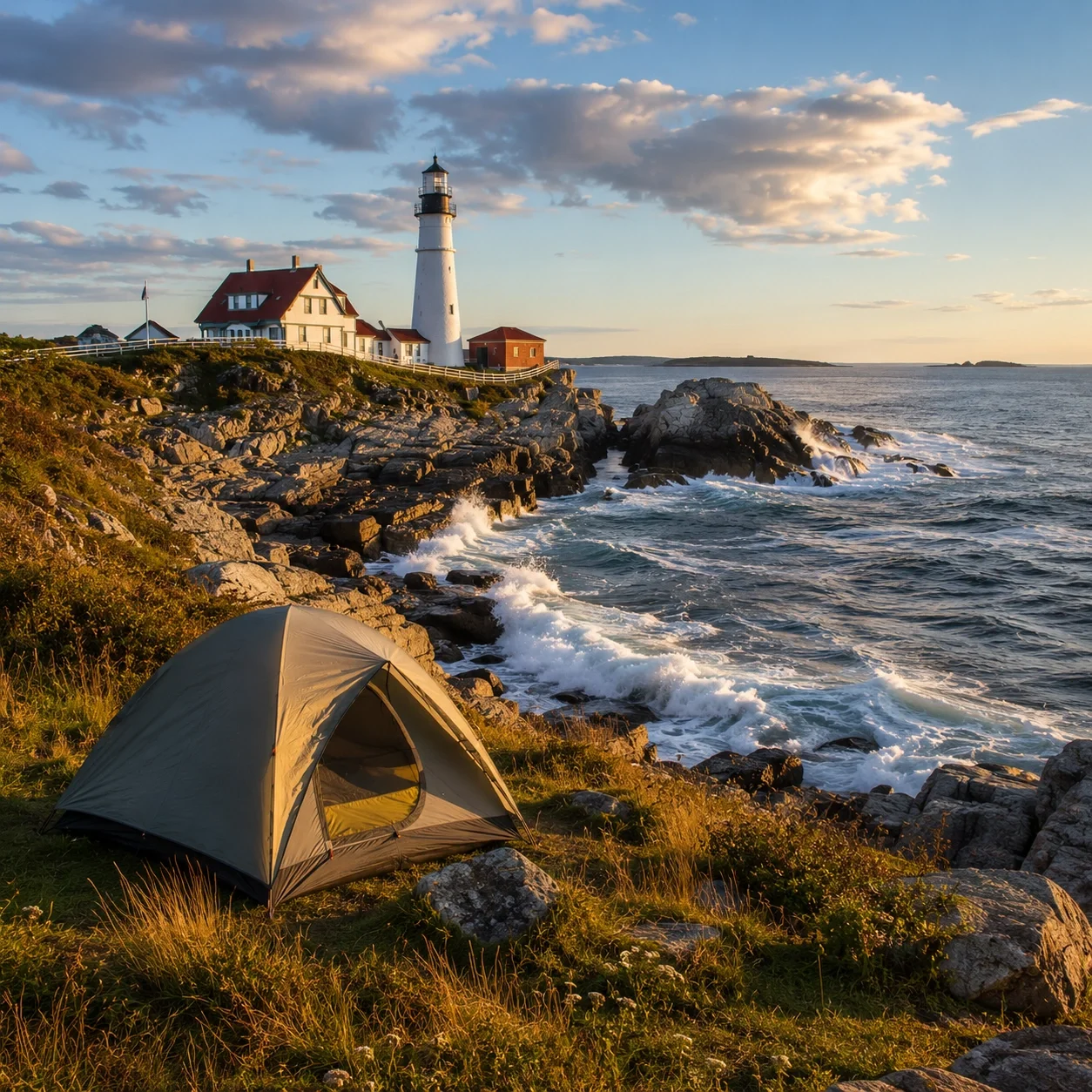
Maine Coast
Rugged granite shores, island campgrounds accessible only by ferry, and the famous Acadia National Park. Maine's coast offers a distinctly New England camping experience with lobster rolls and lighthouse views.
Coastal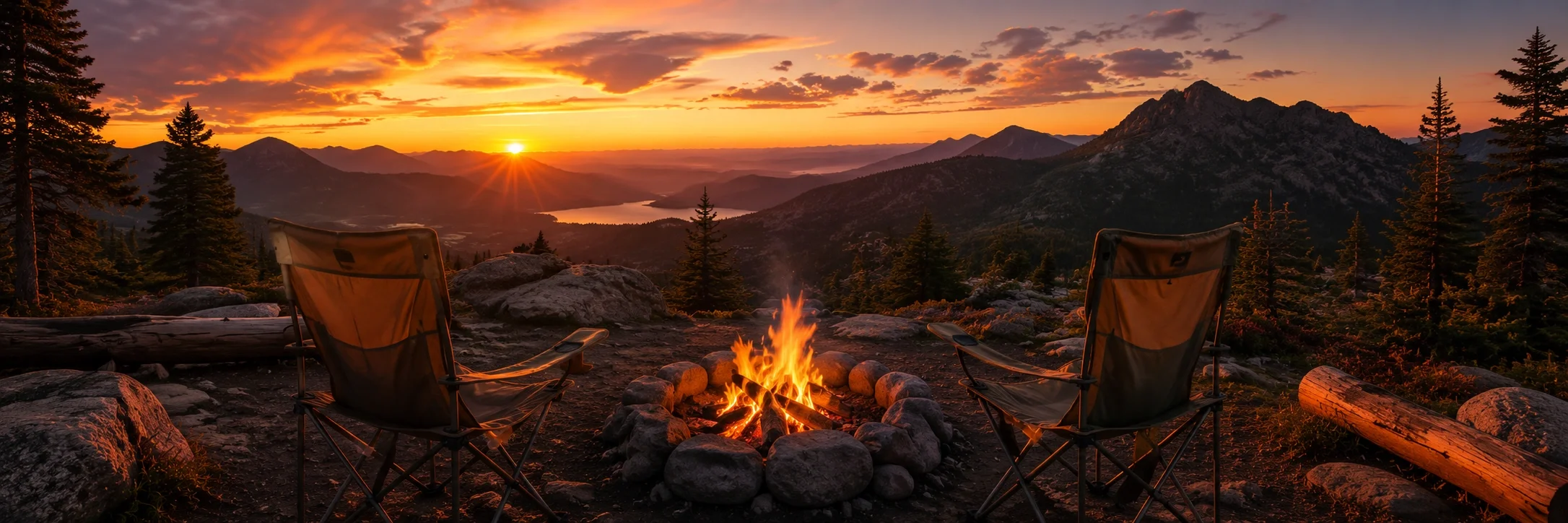
How to Choose the Right Camping Destination
With so many incredible options, selecting the right destination can feel paralyzing. The best approach is to filter your choices based on a few critical factors that align with your priorities. Here is a systematic method to narrow down your options and find the perfect match.
Define Your Camping Style
Are you looking for a glamping experience with real beds and electricity, or a rugged backpacking trip into the wilderness? Your style determines whether you need developed campgrounds or can handle dispersed sites with no facilities.
Consider the Season
Timing matters enormously. Desert destinations are unbearable in summer but perfect in winter. Mountain campgrounds may be snowbound until July. Always check seasonal road closures and facility availability before committing.
Evaluate Your Group
Family trips with young children require different amenities than solo adventures. Consider whether you need flush toilets, potable water, cell service, and accessible trails. Pet-friendly campgrounds add another consideration.
Set Your Investment Tier
Camping options vary widely. BLM land, entry-level state park sites, or premium national park campgrounds with full hookups — know which tier fits your plans before you start searching. Include gas, gear, and food in your overall plan.
Check Reservation Requirements
Some destinations require reservations 6 months in advance, while others are first-come, first-served. Understanding reservation systems — Recreation.gov, state park portals, or walk-in only — can make or break your trip.
Research Safety Conditions
Every destination has unique hazards — bear activity in grizzly country, flash flood risk in canyonlands, venomous snakes in the South, or extreme heat in deserts. Know the risks and prepare accordingly.
Best Season to Visit Top Destinations
Timing your trip correctly can be the difference between a dream vacation and a miserable experience. The following table provides a quick reference for the optimal camping season at each major destination type, along with a general value tier to help with planning.
| Destination Type | Best Season | Value Tier | Reservation Needed? |
|---|---|---|---|
| National Parks (West) | May – September Best | Entry-Level to Mid-Range | Yes — 3–6 months ahead |
| National Parks (South/Desert) | October – April Best | Entry-Level to Mid-Range | Yes — 3–6 months ahead |
| State Parks | April – October | Entry-Level | Varies — weekends book fast |
| BLM Dispersed Camping | Year-round (climate dependent) | Free | No — first-come, first-served |
| Beach Campgrounds | May – September | Mid-Range | Yes — 6 months ahead |
| Mountain / Alpine | July – September Best | Entry-Level to Mid-Range | Varies by location |
| Florida Springs | November – March | Entry-Level to Mid-Range | Yes — 3–11 months ahead |
| Northeast / Appalachians | May – October | Entry-Level to Mid-Range | Varies — fall foliage sells out |
💡 Pro Tip: Booking Strategy
For high-demand destinations like Yosemite and Great Smoky Mountains, reservations open on specific dates and sell out within minutes. Use these strategies to improve your chances:
- Create a Recreation.gov account and save your payment details before booking day
- Log in exactly at the opening time (usually 10:00 AM ET) and have multiple date options ready
- Check for cancellations daily — people frequently release sites 1–2 weeks before their dates
- Consider less popular nearby campgrounds as backups — they often have last-minute availability
- Use camping reservation apps with cancellation alerts to get notified when desirable sites open up
Camping Destination Value Tiers
Understanding the value tier of a camping trip helps you plan realistically and avoid surprises. Here is a general breakdown of what you can expect across different destination types, including campground tier, food, and local transportation.
BLM Dispersed
No campground fee. Bring all your own water, supplies, and self-sufficiency gear.
State Park
Accessible site fees plus food and local transport. Great value for families.
National Park
Site fee, entrance fee, food, and park shuttle if required.
Private / Resort
Full-hookup RV resorts or cabin camping with premium amenities.
Safety Considerations by Destination Type
Every camping environment presents unique hazards that require specific preparation. Failing to account for destination-specific risks is one of the most common mistakes campers make — especially those traveling to unfamiliar terrain. Here are the primary safety concerns for each type of destination and the gear you need to address them.
Wildlife Country
In bear country (Rockies, Alaska, Sierra Nevada), a proper first aid kit, bear canister or hang system, and knowledge of food storage rules are non-negotiable. Carry bear spray and know how to use it.
Desert Environments
Extreme heat, dehydration, and venomous reptiles are the primary threats. Carry at least one gallon of water per person per day, a reliable cooler, and a satellite communicator for areas without cell service.
Mountain / Alpine
Rapid weather changes, lightning, hypothermia, and altitude sickness are real dangers even in summer. Monitor weather alerts closely and always carry insulating layers and a waterproof tarp.
Coastal / Beach
Tides, rip currents, wind damage to tents, and salt corrosion are key concerns. Stake your tent with extra guylines, store food securely from raccoons and gulls, and never camp below the high-tide line.
Forest / Woodland
Wildfire risk is a serious concern, especially in the West. Always check fire ban conditions before your trip, follow campfire safety rules, and have an evacuation plan. Keep a lantern and headlamp for emergencies.
Swamp / Subtropical
Insects are the biggest challenge in Southern wetlands. Bring quality repellent, a screened tent, and wear long clothing at dawn and dusk. Be aware of alligator habitats in Florida and Louisiana.
🛡️ Essential Safety Gear for Any Destination
No matter where you camp, these items should always be in your pack:
- Comprehensive first aid kit — including bandages, antiseptic, pain relievers, and any personal medications
- Emergency communication device — satellite messenger or PLB for areas without cell service
- Offline maps and navigation app — downloaded before you lose signal
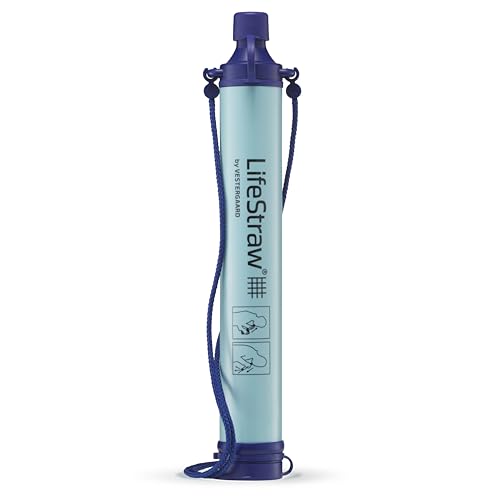
- Extra water and water filtration — at minimum 2 liters per person per day beyond your planned supply
- Reliable lighting — headlamp plus backup light source with fresh batteries
- Emergency shelter — even a lightweight tarp and cordage can save your life if separated from your tent
Packing Lists by Destination Type
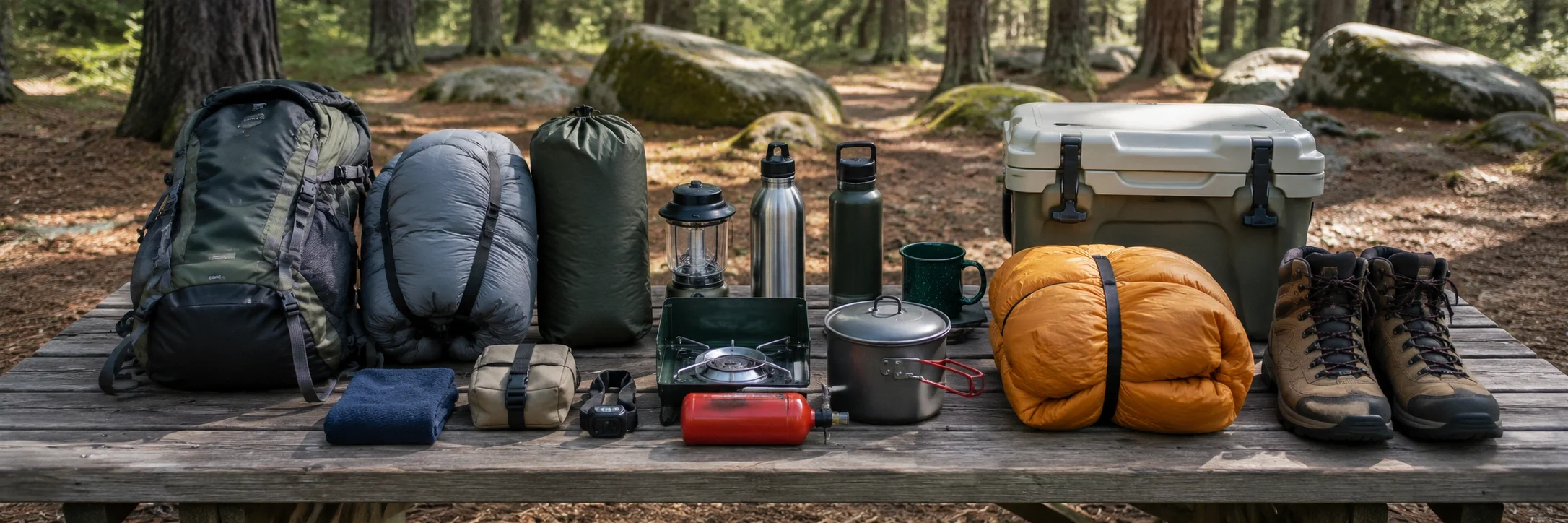
What you pack depends heavily on where you are going. A beach camping trip in Florida requires completely different gear than a winter camping excursion in Colorado. Below are targeted recommendations to help you pack efficiently without overloading your backpack or vehicle.
For Desert Destinations (Joshua Tree, Big Bend, Arizona): Prioritize sun protection — wide-brim hat, UV-blocking clothing, sunscreen SPF 50+. A high-quality tent with excellent ventilation and a rainfly for sudden monsoons. A rotomolded cooler capable of keeping ice for 3–5 days. A camping stove rather than relying on campfires (fire bans are common). At least 1 gallon of water per person per day.
For Mountain Destinations (Colorado, Rockies, Tetons): Layering is essential — even summer nights can drop below freezing above 8,000 feet. Bring a thermal blanket, warm pillow, and a sleeping bag rated 10–15°F below the expected low temperature. A tarp for wind and rain protection. Sturdy hiking boots for uneven terrain. Trekking poles for stability on steep trails.
For Coastal Destinations (Oregon Coast, Maine, California Beach): Wind-resistant tent with extra stakes and guylines. Rain jacket and waterproof pack covers. Sand-free ground mats and a screened canopy for bug protection. A comfortable chair for relaxing by the water. Tide charts and a weather radio for storm tracking.
For Forest / Woodland Destinations (Smokies, Adirondacks, Shenandoah): Bear-safe food storage — either a bear canister or food locker. Insect repellent and a mosquito net. A hammock with straps for relaxing between hikes. A portable kitchen setup with cookware for preparing meals. A lantern for campsite illumination since tree cover blocks moonlight.
For a comprehensive approach, use our ultimate camping packing list as your baseline, then customize it based on your specific destination using the destination-specific camping checklists we have created for each region and season.
Leave No Trace at Every Destination
As camping popularity surges — national park visitation exceeded 300 million in recent years — the impact on natural areas has become a critical concern. Practicing Leave No Trace principles is not optional; it is essential for preserving these destinations for future generations.
The seven core principles apply universally but take on added importance at sensitive destinations. In desert environments, cryptobiotic soil crusts can take decades to recover from a single footprint — stay on established trails and camp on durable surfaces. In alpine meadows, vegetation grows slowly and is easily destroyed by tent footprints and repeated foot traffic. In coastal areas, disturbing dune vegetation accelerates erosion that can destroy the very beach you came to enjoy.
Specific practices that make a real difference include: packing out all trash (including food scraps and micro-trash like twist ties), using established fire rings or a camping stove instead of creating new fire scars, disposing of wastewater 200 feet from any water source, and respecting wildlife by maintaining proper distance and never feeding animals — even accidentally through improper food storage.
Ready to Plan Your Next Camping Trip?
Now that you know the best destinations, the right season to visit, and what to pack — it is time to take the next step. Explore our in-depth destination guides for detailed campground reviews, trail recommendations, and insider tips that will help you plan a trip you will never forget.
EXPLORE TOP CAMPING SPOTSFrequently Asked Questions
What is the most beautiful camping destination in the US?
Beauty is subjective, but Yosemite National Park, Glacier National Park, and the Utah Mighty 5 consistently rank at the top for sheer scenic impact. For coastal beauty, the Oregon Coast and Maine Coast are unmatched. For subtropical wonder, Florida's springs offer a completely different kind of beauty.
Where can I camp for free in the US?
BLM land and national forests offer extensive free dispersed camping opportunities. The Western US has the most abundance — Arizona, Utah, Nevada, Oregon, and Colorado are particularly rich in free camping options. Always check local regulations and fire restrictions before setting up camp.
Do I need reservations for national park camping?
At most popular national parks, yes — reservations are essential during peak season. Yosemite, Zion, Glacier, and Yellowstone campgrounds typically require booking 3–6 months in advance through Recreation.gov. Some parks have first-come, first-served campgrounds, but these fill by early morning, especially on weekends.
What is the most accessible way to camp in the US?
Dispersed camping on BLM and national forest land is free and offers the most accessible option overall. If you prefer developed campgrounds, state parks are generally the best value, with most sites in the entry-level tier. An America the Beautiful pass covers entrance fees at national parks and can save significant money over multiple visits.
Which camping destination is best for beginners?
State parks are ideal for beginners because they offer clean facilities, accessible costs, and a welcoming atmosphere. The Great Smoky Mountains and Blue Ridge Parkway campgrounds are excellent first destinations due to their accessibility, well-marked trails, and abundant resources. Review our first-time camping checklist before you go.