Winter Weather Alerts: Complete Guide for Campers
Understand winter storm warnings, watches, and advisories. Learn how to prepare your gear, stay safe, and respond to emergencies during cold-weather camping.
View Essential Gear →❄️ Why This Guide Matters: Winter camping can be magical, but extreme weather poses serious risks. Understanding winter weather alerts is the first step to staying safe. This guide explains every alert type, essential gear you need, and proven safety protocols. Whether you're a beginner or experienced winter camper, this information could save your life.
Understanding Winter Weather Alerts
The National Weather Service (NWS) issues three main types of winter weather alerts. Knowing the difference helps you make critical decisions: whether to proceed with your trip, change plans, or cancel entirely. When you're planning a winter camping adventure, always check these alerts before leaving home.
Winter Storm Warning
Significant, life-threatening winter weather is occurring or imminent. Heavy snow (6+ inches in 12 hours), blizzard conditions, or dangerous ice accumulation. Action: Cancel outdoor plans immediately. Seek shelter. Do not travel unless absolutely necessary.
Winter Storm Watch
Conditions are favorable for a significant winter storm within 24-48 hours. Action: Review your winter camping checklist. Prepare emergency kits. Monitor forecasts closely. Consider postponing your trip if the watch area includes your destination.
Winter Weather Advisory
Winter weather conditions (snow, freezing rain, sleet, or blowing snow) will cause significant inconveniences but are not life-threatening if caution is exercised. Action: Proceed with caution. Ensure your winter camping gear is adequate. Drive slowly and be prepared for slippery conditions.
Beyond these general alerts, specific warnings include Blizzard Warnings (sustained winds of 35+ mph with falling/blowing snow reducing visibility to under 1/4 mile for 3+ hours), Ice Storm Warnings (significant ice accumulation of 1/4 inch or more), and Lake Effect Snow Warnings (intense, narrow bands of snow downwind of the Great Lakes). Each requires immediate action and reconsideration of any camping plans.
Essential Gear for Winter Weather Alerts
When a winter weather alert is issued, your gear becomes your lifeline. Proper equipment makes the difference between a memorable adventure and a life-threatening situation. Below is the essential gear every winter camper needs, especially when alerts are active.
✅ Winter Camping Essential Gear Checklist
- 4-Season or Winter Tent – Designed to withstand heavy snow loads and high winds. Best winter tents start around $300–$800
- Winter Sleeping Bag – Rated for temperatures at least 10-15°F colder than expected lows. Top-rated winter sleeping bags: $200–$600
- Insulated Sleeping Pad (R-Value 5+) – Critical for ground insulation. Prices: $80–$200
- Layering Clothing System – Base layer (merino wool/synthetic), mid-layer (fleece/down), outer shell (waterproof/windproof). Complete layering guide
- Winter Boots (Insulated & Waterproof) – Rated for -20°F or lower. $150–$350
- Portable Winter Heater (with CO detection) – Catalytic or propane heaters designed for tents. Recommended winter heaters: $80–$250
- Emergency Communication Device – Satellite messenger or PLB (Personal Locator Beacon). Best emergency beacons: $200–$600
- Portable Power Bank (Cold-Weather Rated) – Lithium batteries with cold-optimized cells. Top power banks: $50–$150
In addition to the gear above, pack these critical items: waterproof matches/fire starters (multiple sources), insulated water bottles (prevents freezing), high-calorie emergency food (nuts, energy bars, dehydrated meals), a winter-specific first aid kit (including blister treatment and instant heat packs), and a winter emergency kit with a shovel, traction devices, and extra blankets.
How to Monitor Winter Weather Alerts While Camping
Once you're in the backcountry, staying informed becomes challenging but absolutely essential. Here are reliable methods to receive weather alerts even without cellular service.
| Device / Method | How It Works | Best For | Approximate Cost |
|---|---|---|---|
| NOAA Weather Radio | Direct broadcast from NWS; receives alerts 24/7 | Car camping, base camps with power | $30–$100 |
| Satellite Messenger (Garmin inReach, ZOLEO) | Two-way satellite communication with weather forecast requests | Backcountry, remote areas, off-grid camping | $300–$500 + subscription |
| Cell Phone with Offline Weather Apps | Download forecasts before losing signal; some apps cache alerts | Areas with sporadic coverage | Free–$10 (app purchase) |
| Personal Locator Beacon (PLB) | One-way SOS only; no weather data | Emergency backup only | $250–$400 |
| Two-Way Radios with Weather Band | Some models include NOAA weather channels | Group camping within 2-5 mile range | $50–$150 |
For most winter campers, a satellite messenger provides the best balance of functionality and safety. Before your trip, download offline maps and weather data using apps like Weather Underground, Windy, or NOAA Weather. Always tell someone your itinerary and expected return time. If a winter weather alert escalates to a warning while you're camping, follow your emergency action plan immediately.
Safety Protocols: What to Do When an Alert Is Issued
When a winter weather alert changes from "watch" to "warning" or conditions deteriorate rapidly, follow these step-by-step protocols to protect yourself and your group.
Assess & Communicate
Stop all non-essential activities. Contact emergency contact or park rangers if possible. Alert your camping group and designate a weather monitor to check conditions every 30 minutes.
Secure Camp
Reinforce tent guylines and stakes. Clear snow away from tent walls to prevent collapse. Move gear inside tent or into bear-proof containers. Learn proper snow tent setup.
Prepare for Entrapment
Fill water bottles and place them upside down (ice forms at top, leaving water accessible). Organize emergency kit. Charge devices. Stay hydrated and eat high-calorie foods every hour.
Decide: Hunker or Evacuate
If you're well-equipped and shelter is secure, staying put is often safest. Evacuate only if you can reach a heated building before conditions become severe. Never travel in whiteout conditions.
Remember the acronym C.O.L.D. to prevent hypothermia: Clean (avoid sweating by venting clothing), Overheating (remove layers before sweating), Loose layers (improves circulation), Dry (change wet clothing immediately). Recognize early signs of hypothermia: shivering, confusion, slurred speech, drowsiness, and loss of coordination. If anyone exhibits these symptoms, warm them gradually using body heat and warm (not hot) liquids. Seek medical help immediately.
Regional Winter Weather Alert Differences
Winter weather threats vary dramatically across North America. Understanding your region's specific risks helps you interpret alerts correctly and prepare appropriately.
Colorado, Wyoming, Montana
Primary threats: extreme snowfall (2-3 feet in 24 hours), avalanche danger, and sudden temperature drops of 40°F+. Key alert: Avalanche Warnings (separate from NWS) issued by Avalanche Centers. Always check avalanche safety protocols before entering backcountry.
Minnesota, Michigan, Wisconsin
Primary threats: blizzards, lake-effect snow (6-12+ inches in narrow bands), and dangerous wind chills (-30°F to -50°F). Lake-effect snow warnings can persist for days, creating whiteout conditions even when surrounding areas are clear.
New York, Vermont, New Hampshire, Maine
Primary threats: nor'easters (intense coastal storms with heavy snow and hurricane-force winds), ice storms (up to 1 inch of ice), and rapidly changing conditions. Ice storm warnings indicate dangerous travel for 24-48 hours.
Washington, Oregon, Northern California
Primary threats: "Cascade concrete" (very wet, heavy snow that collapses tents and causes avalanche risk), freezing rain at lower elevations. Snow levels can drop from 5,000 to 500 feet within hours during winter storms.
Before any winter camping trip, research the specific alert criteria for your destination region. For example, a "Winter Storm Warning" in Texas might mean 1 inch of snow (crippling for infrastructure), while the same warning in Colorado requires 6+ inches. Always research your winter camping destination thoroughly and check with local ranger stations for real-time conditions.
Technology to Stay Ahead of Winter Weather
Leverage modern technology to receive and interpret winter weather alerts, even in remote areas. These tools provide crucial lead time for decision-making.
Best Weather Apps for Camping: Top-rated weather apps include Windy (excellent for wind and precipitation visualization), WeatherOn (detailed NOAA forecasts with offline caching), and MyRadar (animated radar loops). Pro subscriptions ($10–$30/year) typically add features like real-time lightning detection and hourly forecast downloads.
Satellite Weather Services: Garmin inReach and ZOLEO devices allow you to request and receive text-based weather forecasts for your GPS coordinates. Basic plans start at $12–$15/month with annual commitments. During active winter weather alerts, request updates every 4-6 hours.
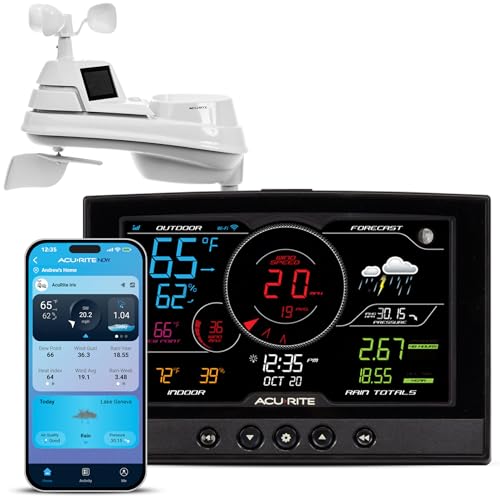
Portable Weather Stations: Compact devices like the Tempest Weather System ($329) or AcuRite Iris ($120) provide hyperlocal temperature, wind, and barometric pressure readings. When combined with a portable generator or power station, you can monitor micro-conditions that might differ from regional forecasts.
Remember that technology can fail in extreme cold. Lithium batteries lose up to 50% of their capacity at -4°F. Keep devices in inner pockets near your body heat, use insulated cases, and always carry analog backups: a compass, paper maps, and a written emergency communication plan.
After the Alert: Post-Storm Safety & Recovery
Once the winter weather alert expires or conditions improve, the danger isn't over. Hidden hazards persist for days after a winter storm.
⚠️ Post-Winter Storm Hazards to Watch For
- Avalanche Risk – New snow loading increases avalanche danger for 24-48 hours after heavy snowfall. Check avalanche forecasts before moving through slopes above 30 degrees.
- Tree Wells & Snow Immersion – Deep, loose snow around tree bases can trap and suffocate skiers or snowshoers. Travel with partners and maintain visual contact.
- Ice Dams & Falling Icicles – Warming temperatures cause roof ice to release. Avoid walking near structures with overhanging ice.
- Hypothermia Risk – Wet clothing from melting snow combined with wind chill can rapidly lower body temperature. Change into dry layers immediately after exertion.
- Frozen Water Sources – Lakes and streams with ice may be unstable after temperature fluctuations. Learn ice thickness safety guidelines before crossing.
When breaking camp after a winter weather event, take extra time to properly dry and store your gear. Melted snow inside tents can freeze into damaging ice crystals. Air out sleeping bags and tents at the first opportunity to prevent mold and degraded insulation. Inspect tent poles and fabric for cracks or tears caused by snow load stress.
Finally, report your safe return to emergency contacts. If you used a satellite messenger to check in during the storm, send an "all clear" message. This simple step prevents unnecessary search and rescue operations that put responders at risk in post-storm conditions.
Ready for Your Winter Adventure?
Understanding winter weather alerts is your first line of defense. Now equip yourself with the right gear and knowledge to stay safe in any condition.
Shop Winter Camping Gear →