How to Set Up a Tent on a Platform: The Complete Step-by-Step Guide
Master the techniques for pitching your tent on wooden camping platforms. Learn anchoring methods, essential gear, and pro tips for a secure and comfortable setup.
START LEARNINGWhy Platform Camping? Many established campgrounds, especially in national parks and backcountry sites, use raised wooden platforms to protect the ground and provide a level sleeping surface. While they offer drainage and a flat base, they require different setup techniques than pitching on soil. This guide covers everything you need to know.
Arriving at a campsite to find a wooden platform instead of soft ground can be confusing if you've never encountered one before. Traditional tent stakes won't penetrate the wood, and the flat surface, while seemingly ideal, can create challenges with wind and water runoff. Understanding how to properly secure your camping tent to a platform is essential for a safe and comfortable night. This skill is particularly crucial for campers exploring popular destinations with established tent pads.
Whether you are heading to a backcountry camping site in the mountains or a managed state park camping ground, you're likely to encounter these structures. Setting up correctly ensures your tent stays put during storms and you stay dry. If you're new to camping or just looking to refine your skills, reviewing a beginner camping checklist can also help you ensure you have the right accessories for this specific setup type.
Essential Gear for Platform Camping
Before you start pitching, you need the right hardware. Traditional stakes are useless on wood. You'll need to adapt your camping gear kit to include platform-specific anchoring tools.
- Platform Anchors or Cup Hooks: The most common method. Look for heavy-duty "tent platform anchors" or large screw-in cup hooks that bite into the wood.
- Small Ratchet Straps or Cordage: You need durable, adjustable cord to tie your tent loops down to the anchors. Paracord or lightweight ratchet straps work well.
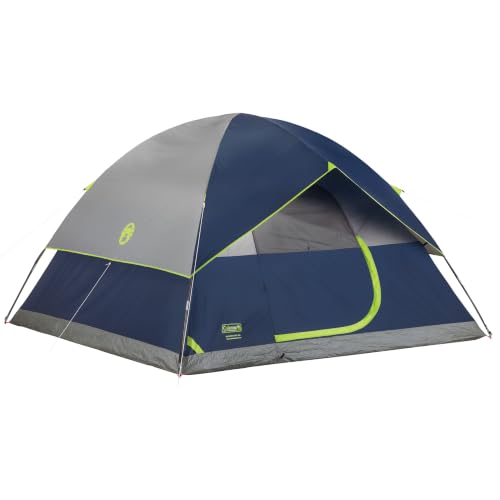
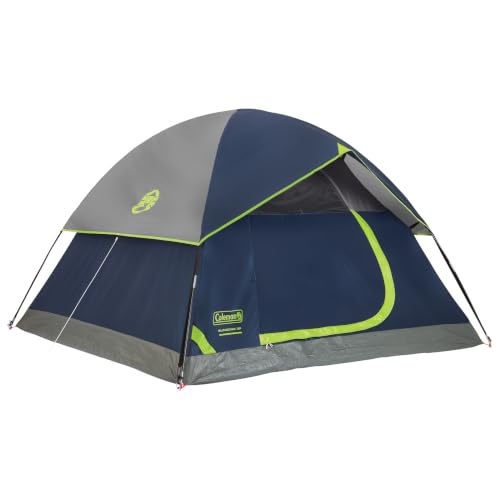
- Freestanding Tent: A freestanding dome tent is much easier to pitch on a platform than a tunnel or non-freestanding tent that relies heavily on stake-out tension.
- Footprint or Tarp: To protect your tent floor from splinters and abrasion on the rough wood planks.
Unlike setting up a tent in the snow or setting up a tent on the beach, where you need specialized stakes for sand or snow, platform camping requires hardware that creates an anchor point in solid lumber. You should also consider how you'll maintain comfort inside the tent. Since you're on a raised wooden surface, a quality camping mat or pad is non-negotiable to cushion your body from the hard floor beneath you.
Step-by-Step: Pitching Your Tent on a Platform
Follow this systematic approach to ensure your shelter is taut, secure, and weather-ready. It's a different skill than choosing the right tent size or simply throwing it up in a field.
Setup Checklist
- Step 1: Inspect the Platform. Check for protruding nails, splinters, or rot. Sweep away debris to protect your tent floor.
- Step 2: Lay the Footprint. Center your groundsheet or tarp on the platform. This prevents abrasion and adds a moisture barrier.
- Step 3: Assemble the Tent Poles. Set up the pole structure of your freestanding tent directly on the platform.
- Step 4: Position the Tent Body. Clip the tent body to the poles. Ensure the doors are oriented away from prevailing winds.
- Step 5: Attach the Rainfly. Stretch the fly over the poles and attach the buckle clips. Don't tighten the guylines yet.
- Step 6: Install Anchors. Screw your platform anchors or cup hooks into the platform edges, aligning them with the tent's guylines and stake loops.
- Step 7: Lash Down. Tie your cord or straps from the tent loops to the anchors. Tighten systematically to create even tension.
If you are using a large family tent, such as a 6-person tent or an 8-person tent, the setup logic remains identical, but you may need more anchors to secure the large canopy against wind uplift. For those who struggle with complex pole structures, investing in an easy-to-pitch tent can significantly reduce setup time.
Best Anchoring Methods for Wooden Platforms
Since you cannot use pegs, you must create anchor points. Here are the three most reliable techniques to secure your tent to a wooden tent pad.
1. Screw-In Cup Hooks
Visit a hardware store and get heavy-duty brass or stainless steel cup hooks. Screw them into the edge of the platform planks. Loop your tent's stake webbing directly over the hook.
Ideal for: Lightweight to medium tents.
2. Specialty Platform Anchors
Outdoor brands sell "Platform Clips" or "Deck Anchors" specifically designed to grip the gap between wooden planks without screwing into the wood.
Ideal for: Renters or those forbidden from modifying the platform.
3. The Loop & Toggle Method
If there are gaps between planks, thread a loop of paracord through the gap. Pass a stick (toggle) through the loop under the deck. Pull tight from above.
Ideal for: Emergency situations or spaced decking boards.
No matter which method you choose, proper tension is vital. A loose rainfly will flap noisily and let water pool. If you are camping in an area with strict regulations—like many DNR camping sites—check the rules before drilling or screwing anything into the wooden structure. Adhering to leave no trace principles means removing your anchors and cleaning up after your trip.
Weatherproofing and Comfort Strategies
A wooden platform is raised, which helps with drainage in the rain but also exposes you to cold air circulating underneath. Here's how to optimize your setup for different conditions.
Rain Strategy
Platforms prevent puddling, but water can splash up from the wood. Keep your footprint slightly smaller than the tent body so it doesn't catch rain running off the sides. Ensure your rainfly tension lines are tight to allow water to slide off. A camping tarp can be rigged over the platform for an additional roof if heavy downpours are expected.
Wind Strategy
Wind can sweep under a raised platform, increasing heat loss. This phenomenon makes a dedicated insulated sleeping pad critical. If you are camping in cold weather, an insulated camping mat rated with a high R-value is more important than ever. For winter conditions, review our specific guidance on winter camping essentials. Pairing your tent with a camping cot raises you even higher off the platform, creating an air gap that can keep you warmer in moderate cold.
In extreme weather, knowing general camping safety protocols and checking camping weather alerts helps you decide whether to delay your setup.
Choosing the Right Tent for the Platform
Not all tents are equal when it comes to platform camping. You generally want a tent that can stand up on its own without stakes pulling the corners outward. If you are tent shopping, look for "freestanding" in the description. To explore options that might be easier to pitch on a solid base, consider reading our guides on the easiest 2-person tent to set up or a compact 1-person tent if you are hiking solo.
However, if you need more headroom for a longer stay, tents with near-vertical walls are popular. You might find a 4-person tent you can stand up in or a 6-person tent you can stand up in to be excellent choices, provided they are compatible with your platform's footprint. Always measure the usable space on the platform against the tent's floor dimensions.
For a more luxurious experience, similar to what you'd get in glamping or a luxury camping resort, an 8-person instant cabin tent brings cabin-like comforts to your wooden base—just be sure the deck can support the tent's full width.
By practicing these skills, your campsite becomes a sturdy home base. Whether you're looking for camping places nearby or heading to a famous camping destination, readiness for platform pitches expands your options dramatically.