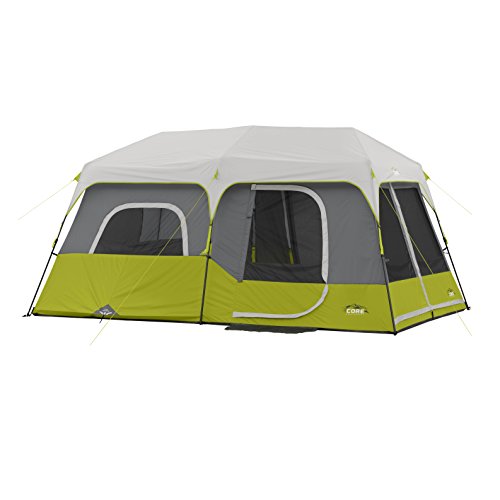
Instant Tents for Camping: Setup in Seconds, Adventure in Minutes
Say goodbye to tangled poles and confusing instructions. Instant tents let you pitch camp in under a minute so you can spend less time assembling and more time enjoying the great outdoors.
SEE TOP PICKSWhy instant tents matter: Whether you're a first-time camper or a seasoned weekend warrior, an instant tent removes the biggest barrier to getting outside — complicated setup. These pre-assembled pole systems pop into shape with minimal effort, making camping accessible to everyone.
What Are Instant Tents for Camping?
Instant tents for camping are shelters with pre-attached, collapsible pole frames that allow you to set up camp in seconds rather than minutes. Unlike traditional tents that require you to thread poles through sleeves and assemble a frame piece by piece, instant tents use a hub-and-spoke or umbrella-style mechanism that expands automatically when you unfold them.
Most instant tents can be fully pitched in under 60 seconds — and many premium models take as little as 10 to 30 seconds. Takedown is equally quick, which is a major advantage when you're packing up in the rain or trying to beat traffic home on a Sunday afternoon. If you're new to camping and want to start with the easiest possible setup, browse our guide to the easiest tent to set up and take down.
The convenience doesn't stop at the campsite. Instant tents are ideal for car camping, festival weekends, backyard sleepovers, and emergency preparedness. They pair beautifully with other quick-deploy gear like a popup camping tent setup or a pop-up tent bed for families who want comfort without complexity.
How Do Instant Tents Work?
Instant tents rely on a few core technologies that differentiate them from traditional models:
- Pre-attached poles: The tent poles are permanently connected to the tent body and hub, so there's nothing to lose or assemble. You simply unfold the tent, pull the hubs apart, and lock the legs into place.
- Hub-and-spoke systems: Central hubs connect multiple poles, allowing the entire frame to expand simultaneously. This is the most common design in modern instant tents.
- Umbrella or pop-up mechanisms: Some models, especially smaller pop-up tents, use a spring-loaded or umbrella-style frame that snaps open with a single motion.
- Push-button locking legs: Telescoping legs with push-button locks let you adjust height and secure the frame in seconds.
The result is a shelter that practically assembles itself. For solo campers, an easiest 1-person tent to set up can be pitched one-handed. For families, an easiest 6-person tent to set up turns a stressful group activity into a 90-second task.
Types of Instant Tents for Camping
Pop-Up Tents
Pop-up tents are the fastest category of instant tents. They use a pre-built frame that springs into shape when you remove them from their carry bag. Most pop-up tents are best for fair-weather camping, beach days, and festivals, though some models are designed for light rain. Popular options include pop-up tents for camping 4 person waterproof tent models and compact 2-person compact portable pop-up tents.
Instant Cabin Tents
Instant cabin tents offer vertical walls and generous headroom, often with room dividers and multiple doors. They set up in about a minute and are perfect for families who want a comfortable basecamp. Examples include the 4-person cabin camping tent with instant setup and the spacious 6-person instant cabin tent with awning 11 x 9.
Instant Dome Tents
Dome-style instant tents are lighter and more aerodynamic than cabin tents, making them a better choice for windy conditions. They trade some headroom for stability and packability. A well-designed dome instant tent can handle three-season camping with ease.
Specialty Instant Tents
Beyond standard camping, instant tents come in specialized forms: pop-up privacy tents for outdoor showers, pop-up camping shower and toilet changing room tents, and even pop-up ice fishing tents with wood stoves. There are also pop-up beach tents for sun shade that pack down small enough for a suitcase.
Key Features to Look for in Instant Tents
Setup Speed and Ease
Not all instant tents are created equal. Entry-level models may still require some pole adjustment, while premium instant tents can be pitched literally in seconds. Look for models with color-coded poles, intuitive hub systems, and clear instructions. If you want the absolute fastest setup, check out our list of easiest 2-person tents to set up or easiest 3-person tents to set up.
Weather Resistance
Instant tents range from fair-weather shelters to four-season capable. Key specs to examine include:
- Hydrostatic head rating: Measured in millimeters, this indicates how waterproof the fabric is. Look for at least 1,500mm for reliable rain protection.
- Taped seams: These prevent water from seeping through stitch holes.
- Rainfly coverage: Full-coverage rainflies offer better protection than partial ones.
- Ventilation: Mesh panels and vents reduce condensation and keep the interior comfortable.
For cold-weather adventures, pair a winterized instant tent with a portable wood stove tent heater and review our guide to keeping a tent warm in cold weather.
Size and Capacity
Instant tents come in capacities from 2-person backpacking models to 12-person cabin tents with multiple rooms. A general rule: subtract one person from the advertised capacity for comfortable sleeping space. For example, a 4-person instant tent comfortably sleeps three adults with gear.
Durability and Materials
Instant tents use either nylon or polyester fabrics. Both have pros and cons — our article on whether nylon or polyester is better for tents breaks down the details. In general, polyester offers better UV resistance and less stretch when wet, while nylon is lighter and more abrasion-resistant.
Portability and Weight
Instant tents are heavier than traditional backpacking tents because of their pre-attached frames. If you're car camping, weight is less of a concern. For backpacking, consider a lightweight pop-up model or a traditional tent instead. Compare options in our pop-up tent weight guide.
Instant Tent Comparison by Tier
The table below compares instant tents across quality tiers. Note that higher tiers generally offer faster setup, better materials, and more refined features.
| Tier | Setup Speed | Weather Resistance | Durability | Best For |
|---|---|---|---|---|
| Entry-Level | 1–2 minutes | Light rain, calm conditions | Basic materials, may wear with heavy use | Occasional campers, backyard use, festivals |
| Mid-Range | 30–60 seconds | Moderate rain, moderate wind | Reinforced hubs, taped seams, good longevity | Regular weekend campers, small families |
| Premium | 10–30 seconds | Heavy rain, strong wind (with guy lines) | High-denier fabrics, alloy poles, excellent durability | Frequent campers, large families, serious outdoor enthusiasts |
| Luxury | Under 15 seconds | All-season capable with proper setup | Top-tier materials, precision engineering, multi-year lifespan | Glampers, basecamp setups, long expeditions |
Benefits of Choosing Instant Tents
- Time savings: Set up and takedown in a fraction of the time required for traditional tents.
- Beginner-friendly: No pole assembly means less frustration for first-timers.
- Family-friendly: Kids can help, and you can focus on enjoying the trip rather than building shelter.
- Great for short trips: Ideal for overnighters and weekend getaways where setup time matters.
- Emergency ready: Instant tents are excellent for quick shelter during power outages or unexpected situations.
- Versatile: Available in sizes from solo to group, and in styles from basic dome to luxury cabin.
Limitations to Keep in Mind
- Weight and bulk: Pre-attached frames add weight, making them less suitable for backpacking.
- Packed size: Instant tents generally pack larger than traditional tents of the same capacity.
- Repairability: If a hub or pole breaks, repairs can be more complex than with traditional poles.
- Wind performance: Some instant tents sacrifice aerodynamics for convenience; always use guy lines in exposed areas.
If backpacking is your priority, a traditional tent or a tent hammock for camping may be a better fit. But for car camping, instant tents are hard to beat.
Tips for Getting the Most Out of Your Instant Tent
- Practice at home first: Set up your instant tent in the backyard before your trip so you're familiar with the mechanism.
- Choose a level site: Clear the area of rocks, branches, and debris before pitching. Use a ground tarp for extra protection.
- Stake it down: Even in calm weather, stake all corners and use guy lines. Instant tents can catch wind like sails.
- Orient your door away from the wind: This reduces drafts and keeps rain from blowing in.
- Ventilate: Open vents and windows to reduce condensation, especially in humid conditions.
- Pack it dry: Never store a wet tent. Dry it thoroughly at home to prevent mold and mildew.
- Use the right accessories: A heavy-duty tent peg set and a footprint or anti-condensation mat can extend your tent's life.
Best Uses for Instant Tents
Instant tents shine in several scenarios:
- Car camping: The extra weight doesn't matter when you're parked at the site. Pair your instant tent with a car camping mattress or sleeping cot for adults for a comfortable night.
- Festival camping: Quick setup and takedown are essential when you're navigating crowds and tight spaces.
- Family trips: A 10-person instant cabin tent with awning gives everyone space and saves parents from setup stress.
- Beach and lake days: A pop-up beach tent that fits in a suitcase provides instant shade and privacy.
- Overlanding and truck camping: Instant tents pair well with truck bed setups and tents that go in the back of a pickup.
Frequently Asked Questions About Instant Tents
Most instant tents set up in under 60 seconds, with many premium models pitching in as little as 10 to 30 seconds. Takedown typically takes a similar amount of time, making them ideal for campers who want to maximize their time outdoors.
Modern instant tents use pre-attached pole systems and reinforced hubs that are highly durable. Mid-range and premium instant tents often rival traditional tents in weather resistance and longevity, though entry-level models may have lighter fabrics.
Yes, most quality instant tents come with waterproof rainflies, taped seams, and sturdy frame designs. However, in high winds, always use all guy lines and stakes, and consider a model with a lower profile or additional wind-resistant features.
Instant tents range from compact 2-person models ideal for solo or couple camping, up to 12-person cabin-style tents with multiple rooms for large families or groups. Choose based on your sleeping capacity needs and whether you want standing headroom.
Absolutely. Instant tents are among the best choices for first-time campers because they eliminate the frustration of complex pole assembly. They are also excellent for families, car campers, and anyone who values convenience.
Ready to Upgrade Your Camping Setup?
Browse our recommended instant tents below and find the perfect quick-setup shelter for your next adventure.
VIEW RECOMMENDED TENTS