Complete Guide to Every Camping Style
From casual car camping to rugged backcountry expeditions — discover the camping style that matches your adventure level, comfort preferences, and skill set.
COMPARE ALL STYLES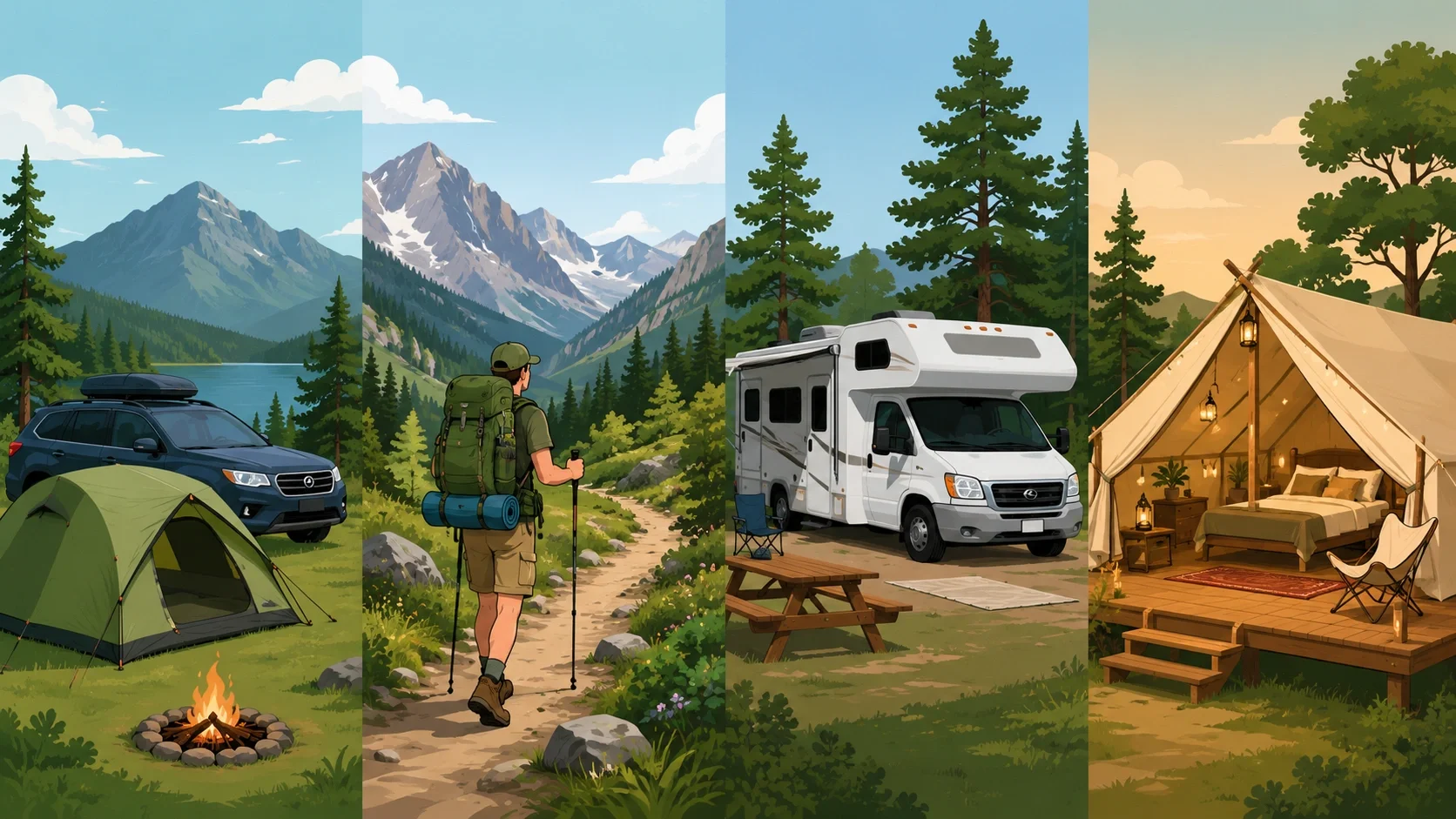
Camping is not a one-size-fits-all activity. The way you camp fundamentally shapes your entire outdoor experience — from the gear you pack to the locations you can access, the investment required, and the skills you need. Understanding the different camping styles is the single most important step before investing in equipment or booking a campsite.
Whether you are a first-timer looking for a comfortable introduction to the outdoors or a seasoned adventurer seeking your next challenge, there is a camping style designed for exactly where you are right now. This guide breaks down every major camping style with honest comparisons of investment tier, required skill level, gear needs, and real-world pros and cons so you can make a confident, informed decision.
Not sure where to start? Our first-time camping tips and beginner camping checklist are great companion resources to this guide.
Camping Styles at a Glance
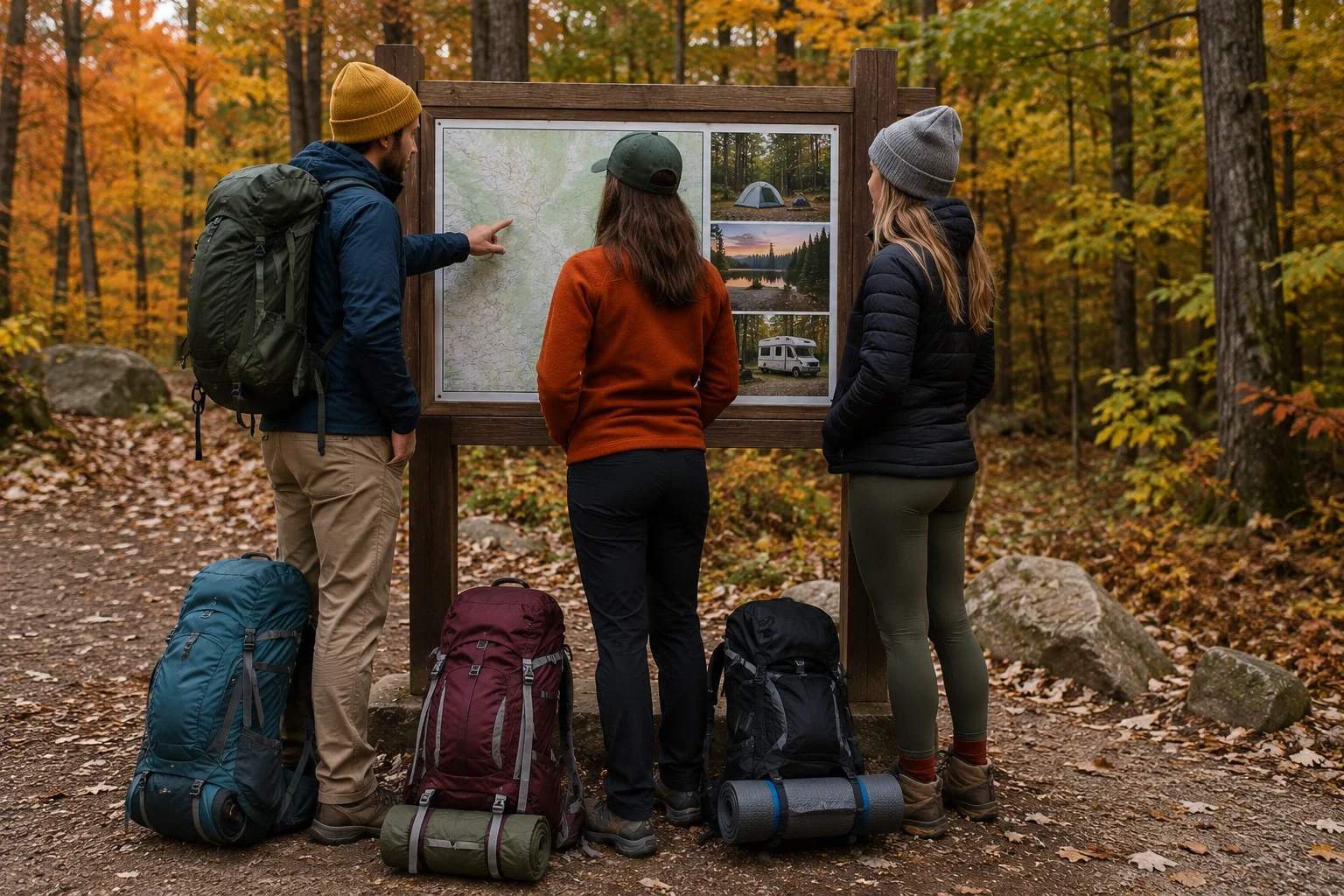
Use this comparison table to quickly identify which camping style aligns with your investment tier, experience level, and comfort expectations.
| Camping Style | Investment Tier | Skill Level | Comfort | Accessibility | Best For |
|---|---|---|---|---|---|
| Car Camping | Entry-Level | Beginner | High | Very Easy | Families, beginners |
| Backpacking | Mid-Range | Intermediate | Low | Difficult | Adventurers, solo travelers |
| RV Camping | Premium to Luxury | Beginner | Very High | Easy | Families, long trips |
| Glamping | Premium to Luxury | Beginner | Luxury | Very Easy | Couples, non-campers |
| Wild Camping | Mid-Range | Advanced | Low | Difficult | Experienced outdoorspeople |
| Dispersed Camping | Entry-Level | Intermediate | Low–Medium | Moderate | Budget campers, solitude seekers |
| Solo Camping | Mid-Range | Intermediate | Medium | Moderate | Self-reliant individuals |
| Family Camping | Mid-Range | Beginner | High | Easy | Families with children |
| Primitive Camping | Entry-Level to Mid-Range | Advanced | Very Low | Difficult | Purists, survival enthusiasts |
| Truck Camping | Mid-Range to Premium | Beginner–Intermediate | Medium–High | Easy | Overlanders, road trippers |
Car Camping
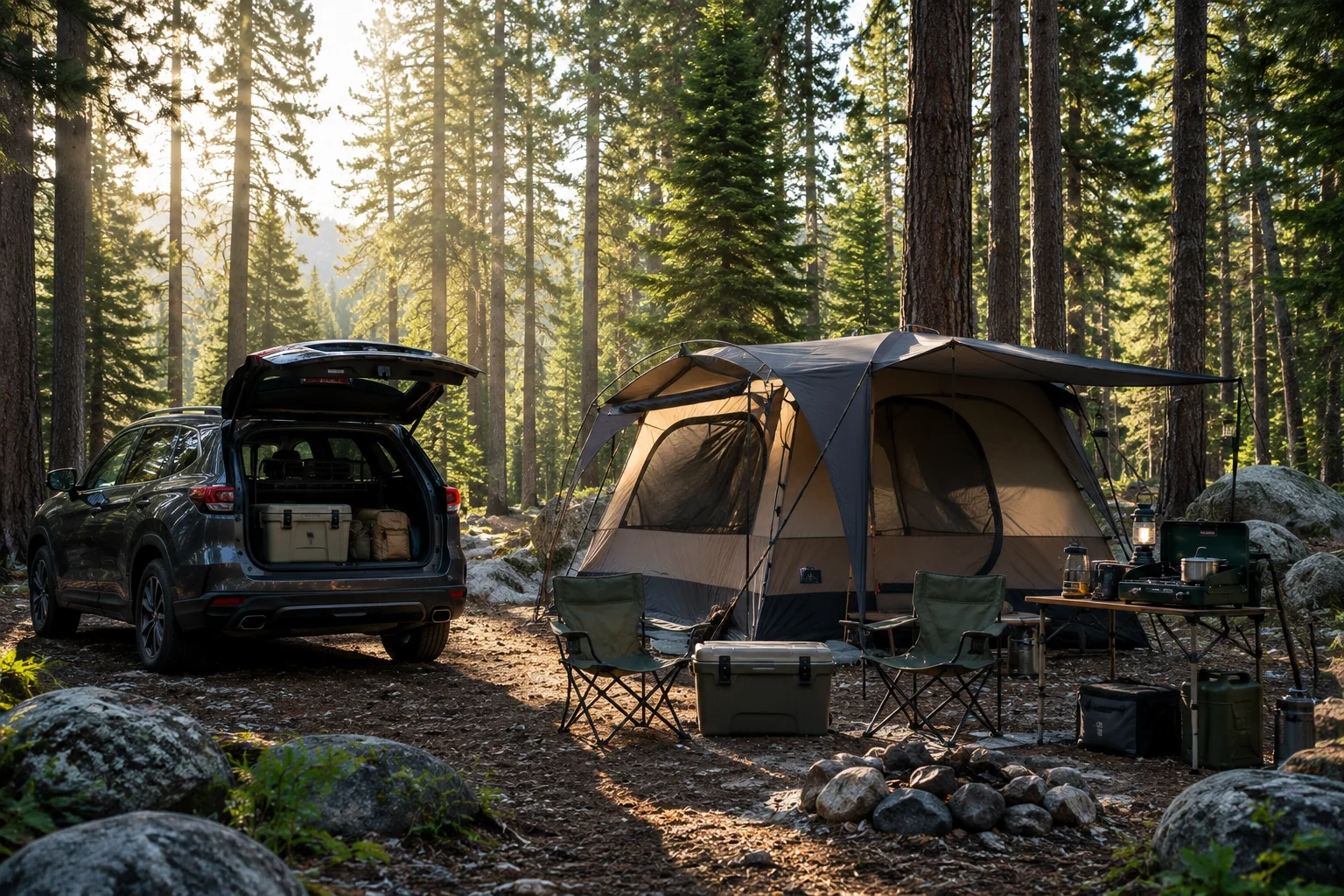
Car camping is the most popular and accessible camping style in North America. You drive your vehicle directly to your campsite, which means you can bring significantly more gear, heavier equipment, and comfort items without worrying about weight restrictions. It is the ideal starting point for anyone new to outdoor adventures and remains the go-to choice for families and groups.
With car camping, your vehicle becomes a mobile gear closet. You can pack a full camping kitchen, oversized camping chairs, a large cooler, and even a camping sofa — luxuries that would be impossible to carry on foot. Many car campers also use a tarp over the picnic area for rain protection and set up string lights for ambiance.
Quick Facts
Advantages
- No weight or space limits on gear
- Easy to organize with family and friends
- Most campgrounds have restrooms and showers
- Low physical demand — great for all ages
- Quick to set up and break down camp
Disadvantages
- Limited to accessible campgrounds
- Can feel crowded during peak season
- Less immersion in true wilderness
- Usually requires advance reservations
- Noise from neighboring campsites
Essential Gear for Car Camping
- Camping tent (4–6 person recommended)
- Camping stove with fuel
- Camping cooler (50qt+)
- Sleeping bags rated for season
- Folding camping table
- Camp lantern and headlamps
- Cooking utensils and cookware
- First aid kit
Before your first car camping trip, review our detailed car camping checklist to make sure you don't forget any essentials. Many beginners underestimate how much food and water they need — plan for at least 1 gallon of water per person per day.
Backpacking
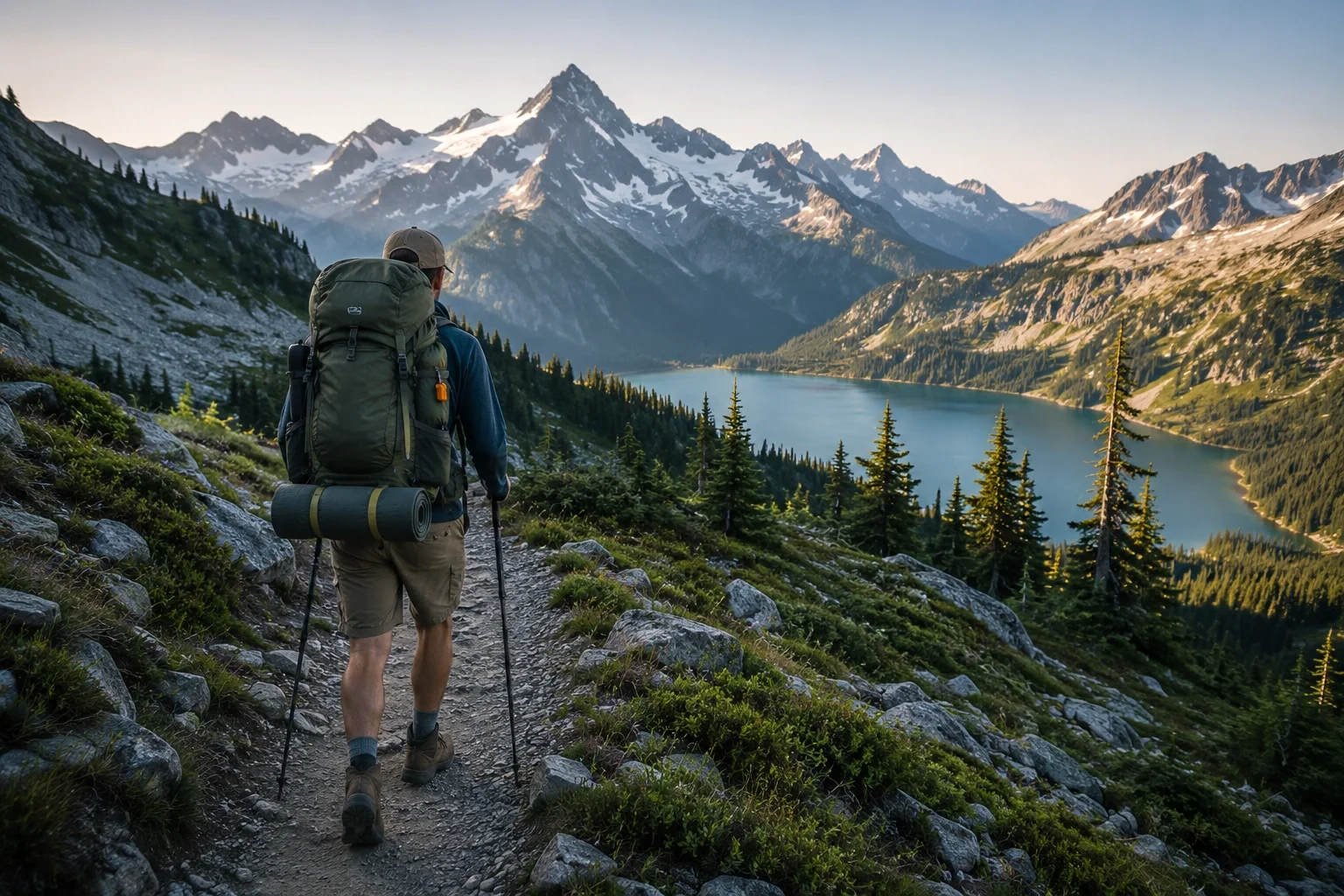
Backpacking is camping stripped down to its purest form: you carry everything you need on your back and hike to your campsite, often deep in the backcountry where no vehicles can reach. This style rewards you with unmatched solitude, access to pristine wilderness, and a profound sense of self-reliance. However, it demands careful planning, physical fitness, and the discipline to pack only what is truly necessary.
Every ounce matters in backpacking. Your backpack typically holds a lightweight tent, a compact backpacking stove, a sleeping bag optimized for weight-to-warmth ratio, and minimal clothing. Experienced backpackers aim for a base weight (everything excluding food, water, and fuel) under 15 pounds. The tent vs hammock debate is especially relevant here — many backpackers now prefer hammock systems for their lighter weight and versatility on uneven terrain.
Quick Facts
Advantages
- Access to remote, uncrowded locations
- Deep connection with nature and solitude
- Excellent physical exercise
- No campground fees in most wilderness areas
- Flexible route and campsite selection
Disadvantages
- Requires significant physical fitness
- Limited gear — comfort sacrifices are real
- Higher initial investment in lightweight gear
- Weather becomes a serious safety factor
- Requires navigation skills and emergency communication
Essential Gear for Backpacking
- Backpack (50–70L capacity)
- Ultralight tent or hammock system
- Backpacking stove (canister or alcohol)
- Lightweight sleeping bag (20°F or rated for trip)
- Sleeping pad (inflatable, under 1 lb)
- Water filtration system
- Compact first aid kit
- Navigation tools (GPS or map & compass)
New to backpacking? Start with our backpacking for beginners guide and use the backpacking checklist to ensure you have every essential without overpacking. Your first few trips should be 1–2 night outings close to home so you can dial in your system.
RV Camping
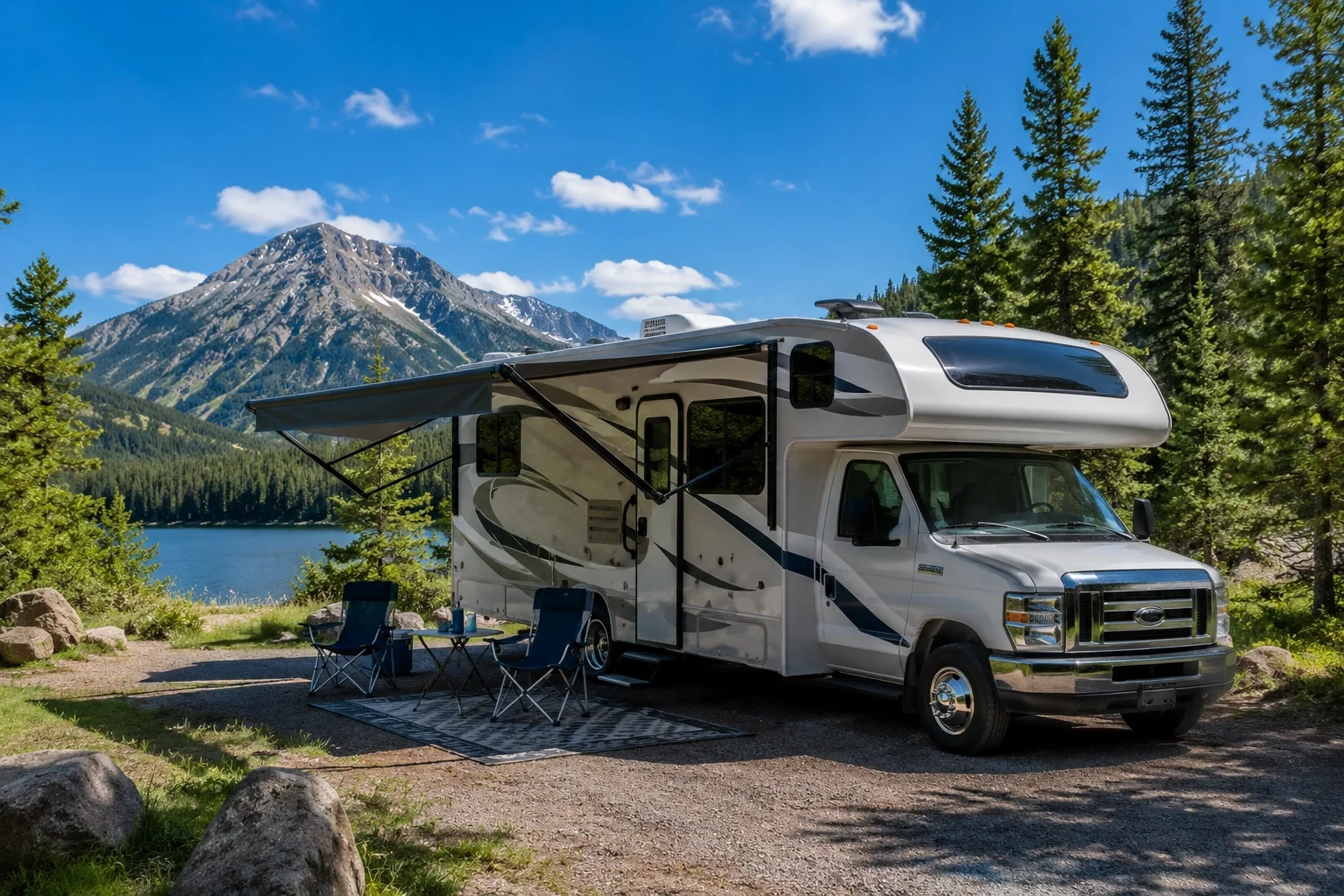
RV camping brings the comforts of home directly into the outdoors. Whether you are in a compact camper van, a travel trailer, or a full-size motorhome, you gain access to a real bed, a functional kitchen, hot running water, climate control, and a private bathroom. It is the most comfortable way to experience the outdoors and is especially popular for extended road trips and retirees exploring the country.
The trade-off is investment and complexity. RVs require a significant upfront commitment or rental premium, plus fuel, campground fees with hookups, insurance, and maintenance. Maneuvering a large RV also requires practice, and not all campsites can accommodate bigger rigs. That said, the RV camping experience opens up possibilities like caravan camping circuits and multi-week cross-country journeys that no other style can match.
Quick Facts
Advantages
- Home-like comfort with bed, kitchen, bathroom
- Climate control in any weather
- Great for long trips and full-time living
- No need to set up or tear down shelter
- Can boondock off-grid with solar and tanks
Disadvantages
- High upfront and ongoing investment
- Limited access to remote or narrow-road areas
- Requires driving skill and spatial awareness
- Maintenance and mechanical issues possible
- Less sense of "roughing it" in nature
Essential Gear for RV Camping
- RV or camper rental/ownership
- Outdoor chairs and table
- Water hose and sewer kit
- Portable power station or generator
- Leveling blocks and wheel chocks
- Outdoor lighting for campsite area
- Portable cooler for day trips
- RV-specific essentials kit
If you are considering RV camping for the first time, renting before buying is strongly recommended. Our RV camping checklist covers everything from hookup procedures to departure checks. Many first-timers are surprised by how much planning goes into dump stations, water refills, and campground reservations.
Glamping (Glamorous Camping)
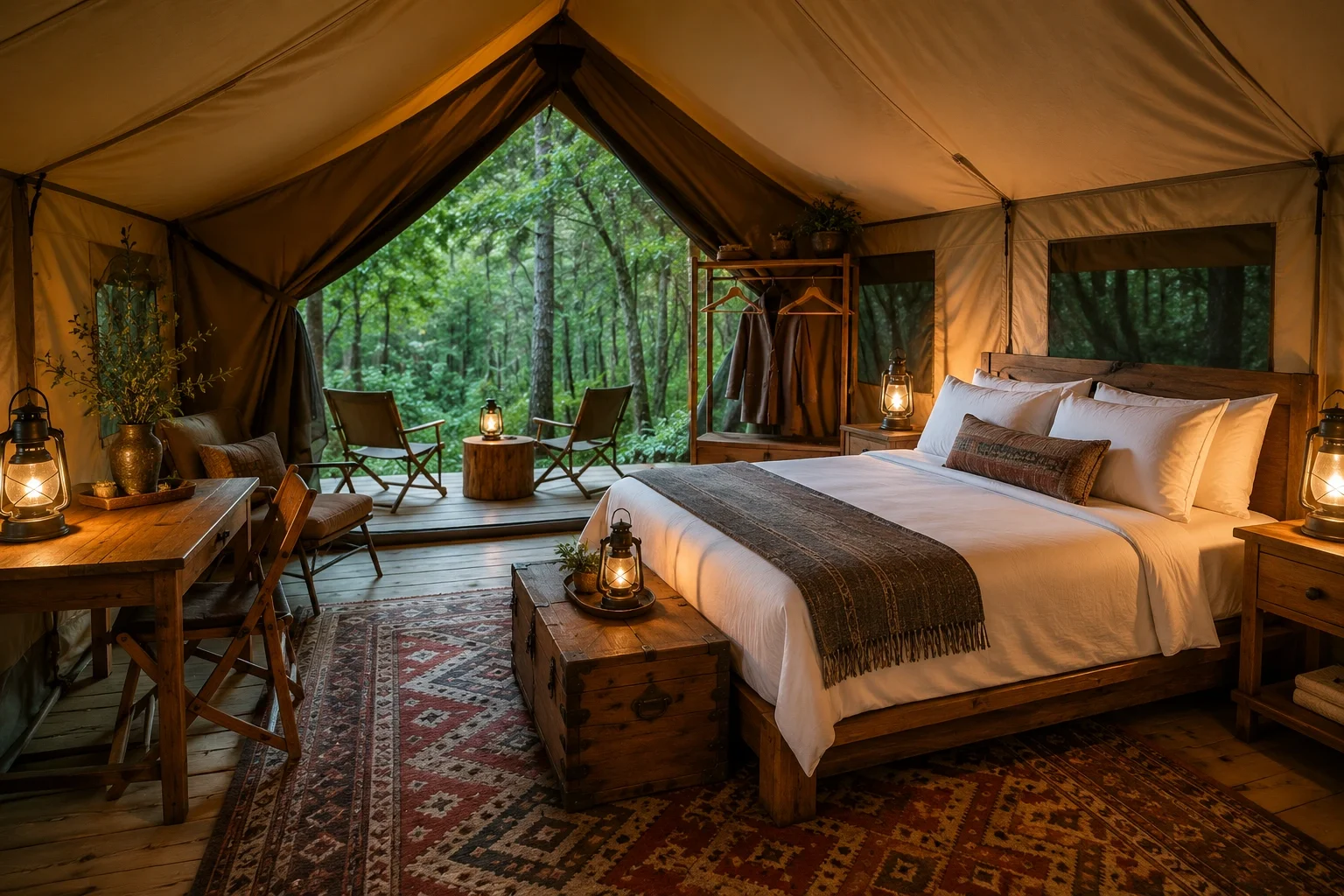
Glamping removes every barrier that keeps people from trying camping. Instead of pitching your own tent and sleeping on the ground, you arrive at a fully furnished accommodation — think safari tents with real beds, yurts with wood stoves, treehouses, or domes with panoramic views. The glamping experience is designed for people who want the beauty and setting of the outdoors without sacrificing comfort, and it has become one of the fastest-growing segments in outdoor travel.
Glamping sites range across the premium to luxury tiers depending on location and amenities. Many include en-suite bathrooms, gourmet meal options, hot tubs, and curated activities like guided hikes or stargazing sessions. For couples, romantic camping getaways through glamping are incredibly popular. It is also an excellent way to introduce children to the outdoors — our camping with kids checklist can be adapted for glamping trips with minimal gear needed.
Quick Facts
Advantages
- Zero setup or gear required
- Hotel-level comfort in natural settings
- Perfect for non-campers and special occasions
- Often includes meals and activities
- Year-round availability at many locations
Disadvantages
- Premium per night compared to other styles
- Less privacy — shared common areas at some sites
- Limited availability — books out fast
- Less authentic "camping" experience
- Less flexibility in location choice
Debating between traditional camping and glamping? Our camping vs glamping comparison breaks down exactly what you gain and give up with each option. If you are new to the outdoors entirely, glamping is a pressure-free way to test whether you enjoy being in nature before investing in your own gear.
Wild Camping & Dispersed Camping
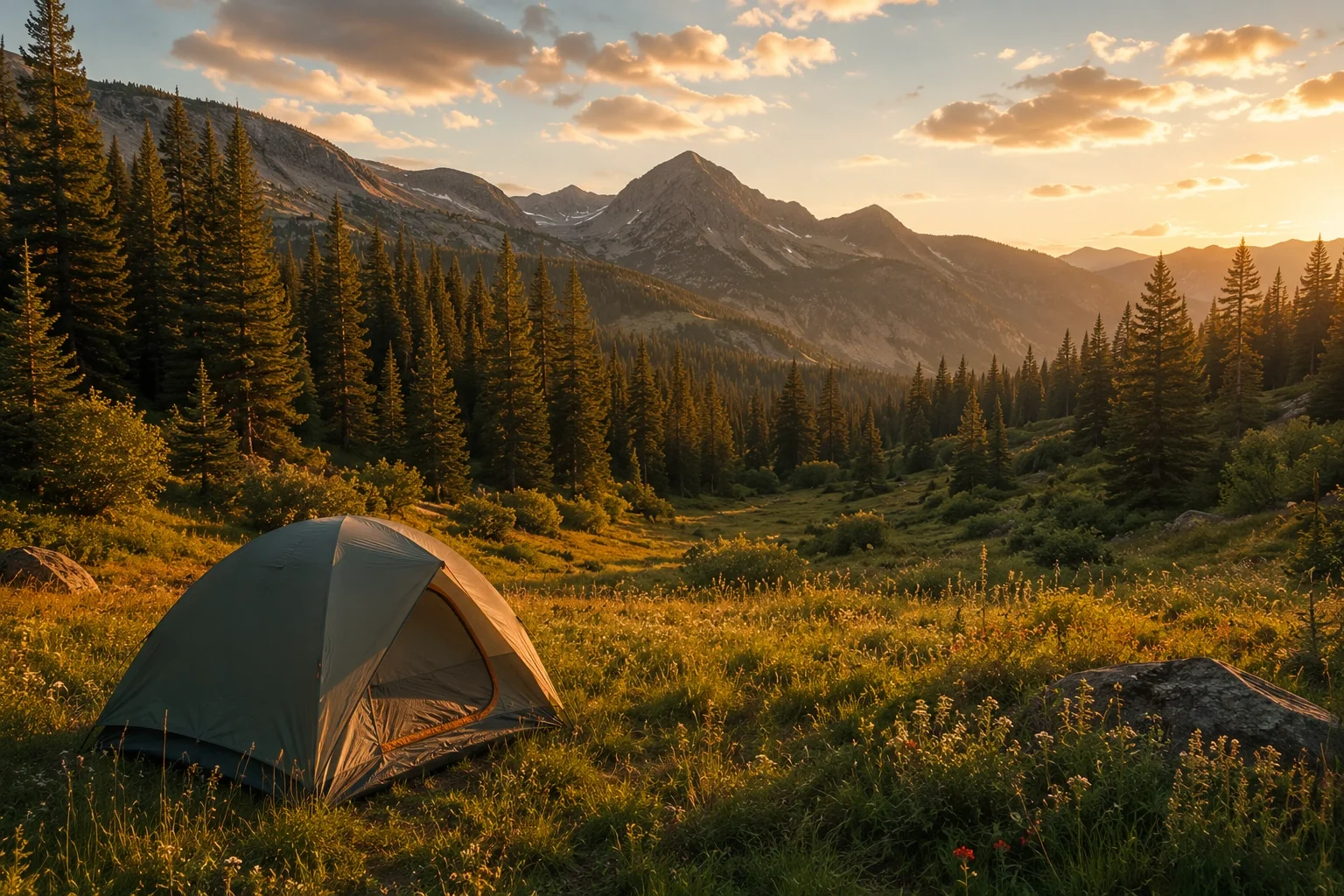
Wild camping and dispersed camping refer to setting up camp outside of designated campgrounds, typically on public lands like National Forests or BLM land. There are no picnic tables, no fire rings, no restrooms, and no electricity. You are entirely self-sufficient. This style appeals to experienced campers who prioritize solitude, pristine surroundings, and the freedom to camp almost anywhere that is legally permitted.
Dispersed camping on BLM and Forest Service land is generally free, making it one of the most budget-friendly options available. However, you must understand BLM camping rules, Leave No Trace principles, and campfire safety regulations. Many areas have fire restrictions, and some states have specific rules about how far you must camp from water sources and roads. Freedom camping follows a similar philosophy but is more commonly discussed in the context of New Zealand and parts of Europe.
Quick Facts
Advantages
- Often completely free on public lands
- Total solitude and pristine environments
- No reservations needed — go where you want
- No noise, no crowds, no light pollution
- Maximum flexibility in campsite selection
Essential Gear for Wild/Dispersed Camping
- Reliable 4-season tent or shelter
- Stove with extra fuel (no fires if banned)
- Water filtration and storage (2+ gallons)
- Comprehensive first aid kit
- Satellite communicator or PLB
- Bear canister or food storage system
- Headlamp and backup light source
- Multi-tool and repair kit
Understanding the difference between campground vs wild camping is critical before your first dispersed trip. Always check local regulations online or call the ranger district — rules change seasonally, and many areas have stay limits (typically 14 days maximum). Practice Leave No Trace principles rigorously to protect these fragile areas for future campers.
Solo Camping
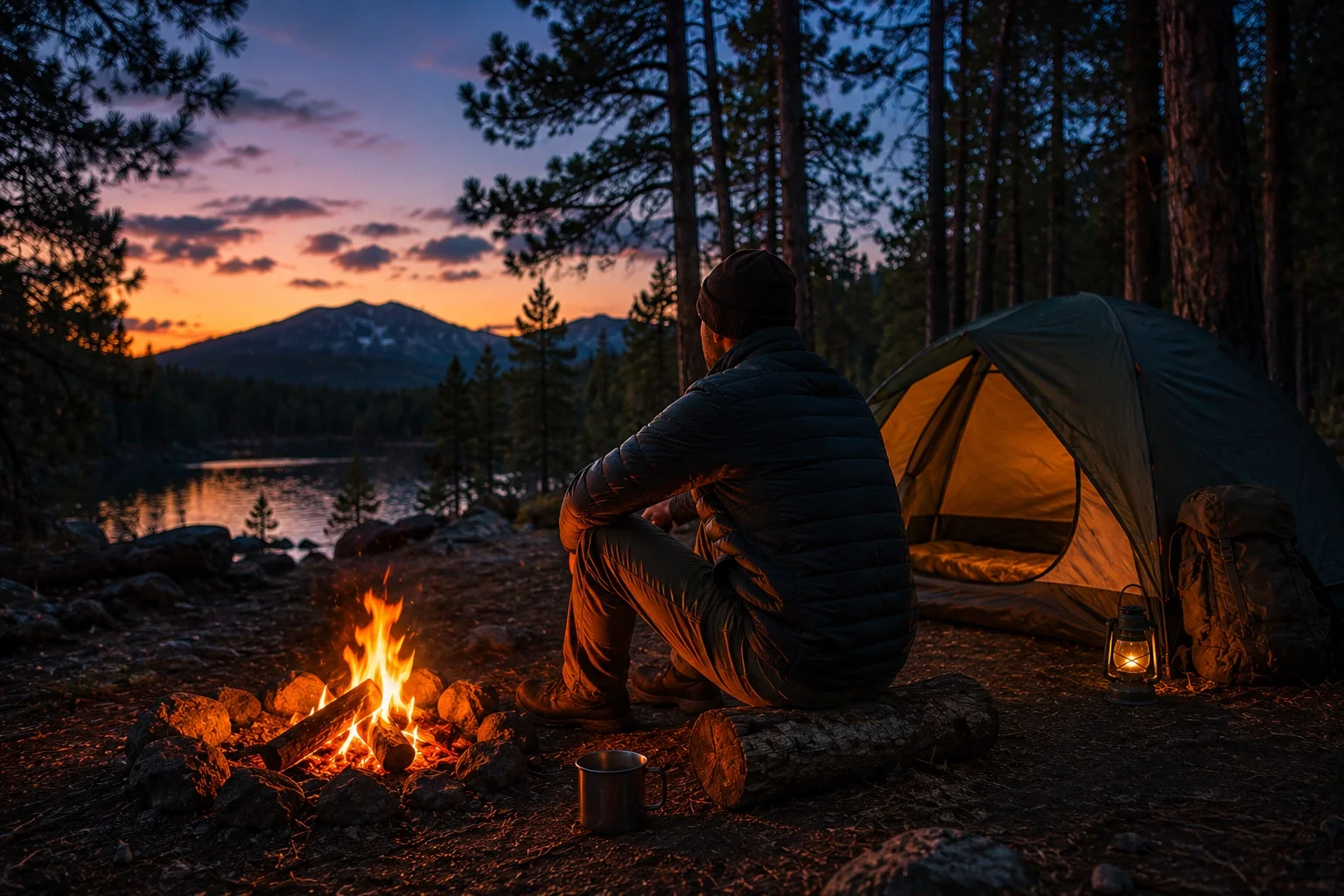
Solo camping is less about a specific gear setup and more about the mindset and preparation required to camp alone safely. You can solo camp in any style — car camping at a campground, backpacking into the wilderness, or even glamping. The defining factor is self-reliance: every decision, every task, and every emergency response falls on you alone.
The benefits are profound. Solo camping builds confidence, sharpens problem-solving skills, and provides a level of introspection and peace that group trips rarely achieve. However, safety is the top concern. You need to be more conservative with your plans, carry redundant safety gear, share your itinerary with someone at home, and have a reliable way to call for help. A satellite communicator is strongly recommended for any solo trip beyond cell service range. Our solo camping checklist covers the specific adjustments you should make when camping alone.
Quick Facts
Advantages
- Complete freedom over schedule and route
- Deep personal reflection and mental reset
- Builds genuine self-reliance and confidence
- No group dynamics to manage
- Faster decision-making, no compromises
Disadvantages
- No one to help in emergencies
- Can feel lonely on longer trips
- Must handle all tasks alone (setup, cooking, fire)
- Higher perceived risk from wildlife and strangers
- Some campgrounds have minimum 2-person policies
For your first solo trip, choose a well-populated campground with cell service and staff on site. As you gain confidence, progress to more remote locations. Always tell someone your exact itinerary, expected return time, and what to do if you don't check in. Carry a personal locator beacon if heading beyond cell coverage.
Family Camping
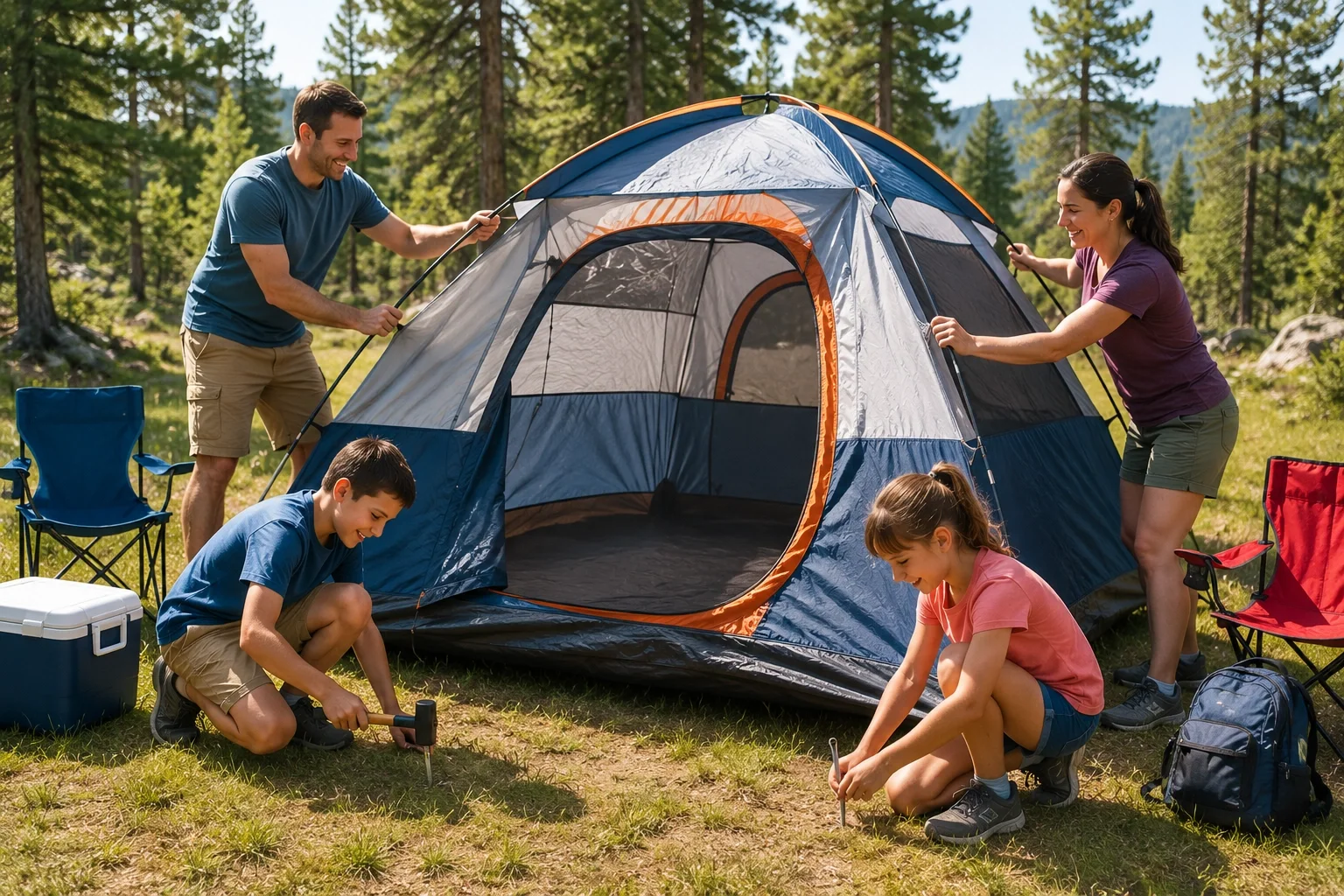
Family camping is one of the most rewarding ways to introduce children to the natural world. It is typically done as car camping at developed campgrounds with amenities like restrooms, playgrounds, and interpretive programs. The focus is less on adventure and more on creating shared memories, teaching outdoor skills, and spending quality time away from screens and schedules.
Successful family camping requires more gear and more planning than solo or couple trips. You need a larger family tent (6-person minimum), extra blankets for kids who kick off sleeping bags, a well-stocked camp kitchen to handle multiple meals, and entertainment options for downtime. If you are camping with dogs, add pet supplies to your list. Families with very young children may also want cots to keep kids off the ground and camping pillows for better sleep.
Quick Facts
Advantages
- Creates lifelong family memories
- Teaches kids outdoor skills and appreciation
- Developed campgrounds offer safety and amenities
- Cost-effective family vacation alternative
- Activities for all ages (hiking, fishing, swimming)
Disadvantages
- Requires significantly more gear
- Logistics are more complex (meals, sleep, activities)
- Weather is a bigger concern with children
- Less flexibility — must work around kids' needs
- Can be stressful if under-prepared
Essential Gear for Family Camping
- Large family tent (6–8 person)
- Cots or camping beds for kids
- Two-burner stove with cookware set
- Large cooler (65qt+) for family meals
- Chairs for every family member
- Multiple light sources for safety
- Family first aid kit with kids' medications
- Easy-prep meals and snacks
Our family camping checklist is the most detailed resource available for planning trips with children. It covers age-specific gear recommendations, meal planning templates, and safety considerations including general camping safety and bear safety for families visiting bear country.
Primitive Camping
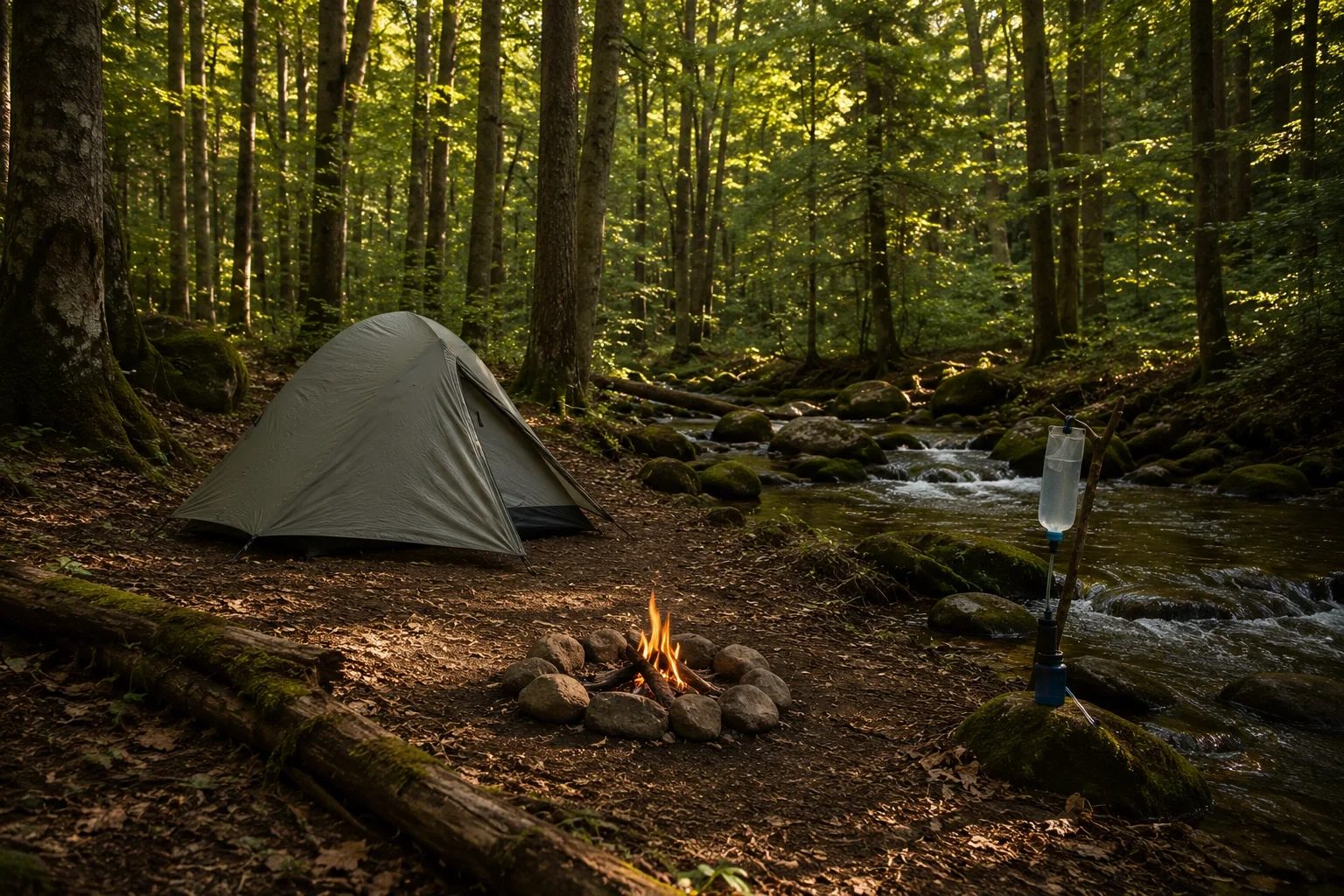
Primitive camping takes self-reliance to its extreme. There are no piped water, no electricity, no flush toilets, and no designated sites. You find your own spot, filter your own water from streams or lakes, dig your own latrine if needed, and build your own fire ring (where permitted). It is the closest most people will get to a true survival experience while still being recreational camping.
This style is not for the unprepared. You need robust safety knowledge, including wilderness first aid, proper food storage, and emergency signaling skills. Gear must be durable and reliable — this is not the time for ultralight, fragile equipment. A quality tent, warm sleeping bag, and a trustworthy stove are non-negotiable. Our primitive camping checklist covers the specific items that separate a safe primitive trip from a dangerous one.
Quick Facts
Advantages
- Ultimate self-reliance and skill building
- Free or very low cost on public lands
- Complete immersion in untouched nature
- No crowds, no noise, no light pollution
- The most authentic camping experience possible
Disadvantages
- Requires extensive outdoor skills
- Physical discomfort is guaranteed
- Serious safety risks if unprepared
- Time-consuming daily tasks (water, fire, food)
- Not suitable for beginners or children
Never attempt primitive camping without first building experience through car camping and backpacking. Understanding camping safety fundamentals is mandatory — including common camping injuries treatment, wildlife awareness, and what to do if lost.
Truck Camping & Vehicle-Based Styles
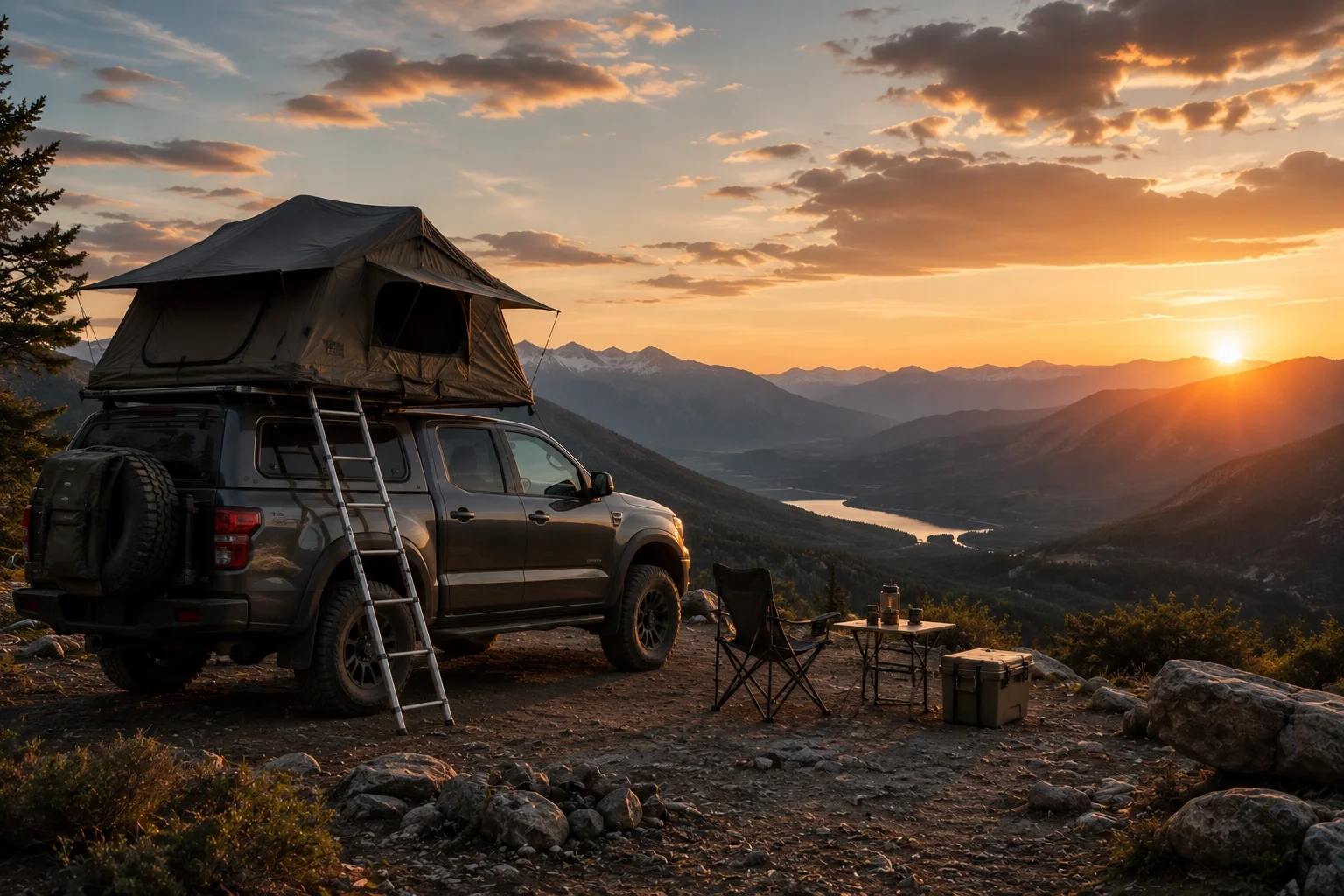
Truck camping sits in a sweet spot between car camping and RV camping. You sleep in the bed of your truck — either in a truck tent, a truck bed camper shell, or a custom-built platform — giving you mobility, elevation off the ground, and a quick-setup camp anywhere your truck can go. It has surged in popularity alongside the overlanding movement and appeals to people who want more capability than car camping but do not want the investment or size of a full RV.
Related vehicle-based styles include motorcycle camping (ultra-minimalist, carry everything on the bike), auto camping (popular in Asia, sleeping inside the vehicle), and stealth camping (parking and sleeping in urban or semi-urban areas without drawing attention). Each variant has its own gear requirements and community, but all share the core principle of using your vehicle as both transportation and shelter.
Quick Facts
Advantages
- Quick setup — just park and sleep
- Off-ground sleeping (safer, drier)
- Can access rough roads and remote areas
- Lower investment than RV ownership
- Great for road trips and exploration
Disadvantages
- Limited sleeping space (1–2 people max)
- Requires a capable truck or vehicle
- Less comfort than RV or car camping with tent
- Weather exposure unless fully enclosed
- Some areas prohibit overnight vehicle parking
Essential Gear for Truck Camping
- Truck tent or camper shell system
- Sleeping pad or truck bed mattress
- Insulated blanket for cold nights
- Portable stove with compact fuel
- Power station for phone and lights
- LED light strips for bed interior
- Window screens or mosquito netting
- Organization bins for gear storage
How to Choose the Right Camping Style
Selecting the right camping style comes down to answering five honest questions about your current situation. There is no "best" style — only the best style for you right now. Many experienced campers rotate between multiple styles depending on the trip, the season, and who they are traveling with.
Match Your Situation to a Style
New to Camping?
Start with car camping or glamping. You will learn the basics of setup, cooking outdoors, and sleeping in a tent without the pressure of remote locations or weight restrictions.
Get the Beginner ChecklistHave a Family?
Family car camping at developed campgrounds offers the best balance of comfort, safety, and activities for children of all ages. RV camping is excellent for longer family road trips.
Get the Family ChecklistCraving Adventure?
Backpacking and wild camping deliver the most rewarding adventures for those with the skills and fitness. Start with overnight backpacking trips and gradually increase distance and remoteness.
Get the Backpacking ChecklistWant Maximum Comfort?
Glamping and RV camping eliminate the discomforts that keep many people from enjoying the outdoors. You get the views and the fresh air without the sore back and cold nights.
Get the Glamping ChecklistOn a Tight Budget?
Dispersed camping on public lands is free and offers incredible solitude. Car camping at state parks is also very budget-friendly compared to hotels.
Learn About BLM CampingSeeking Solitude?
Solo backpacking, dispersed camping, and primitive camping offer the deepest solitude. Even solo car camping on weekdays at less-popular campgrounds can feel remarkably private.
Get the Solo ChecklistKey Factors That Influence Your Choice
🌲 Location & Accessibility
Some camping styles are defined by where you can go. Backpacking opens trail-accessible backcountry. RV camping requires roads wide enough for your rig and campgrounds with hookups. Dispersed camping requires knowledge of public land boundaries. Consider camping destinations that match your chosen style — not all parks allow dispersed camping, and not all trails are suitable for beginners. Check whether you need reservations well in advance, especially for popular locations during peak season.
🌡️ Season & Weather
Your camping style must account for seasonal conditions. Winter camping demands specialized gear like winter sleeping bags, 4-season tents, and heaters — making it best suited for car camping or RV camping rather than backpacking. Summer heat makes shade and ventilation critical. Spring and fall offer the best conditions for most styles but require seasonal preparation for rain and temperature swings.
💰 Investment Considerations
The investment required for camping varies enormously by style. Dispersed camping can be nearly free. Car camping at state parks sits in the entry-level tier. Glamping falls into the premium to luxury range. RV ownership involves payments, insurance, maintenance, and fuel. Gear investment also differs: backpacking requires lightweight (premium-tier) gear, while car camping works fine with entry-level equipment. Be honest about what fits your situation before committing to a style.
👥 Who Is Coming With You
Camping with young children, elderly parents, or pets dramatically narrows your options. Family camping works best at developed campgrounds. Pet-friendly camping requires checking leash rules and dog-specific regulations. Group camping with friends can work in any style but requires coordination — our group camping checklist helps divide responsibilities and avoid duplicating gear.