Camping vs Glamping: Choose Your Perfect Outdoor Escape
Are you a rugged traditionalist who loves the smell of a campfire and a simple tent, or do you prefer a plush bed and fine dining under the stars? We break down the costs, comfort, gear, and overall experience to help you decide.
The Short Answer: Traditional camping offers affordability, self-reliance, and deep nature connection. Glamping (glamorous camping) provides luxury, convenience, and comfort without sacrificing the outdoors. Your choice depends on budget, desired comfort level, and the experience you seek.
🏕️ Traditional Camping
- Bring your own camping tent, sleeping bag, and gear
- Cook over a camping stove or campfire
- Shared or primitive bathroom facilities
- Learn survival skills & self-sufficiency
- Deep immersion in nature
- Minimal environmental footprint
✨ Glamping
- Pre-set luxury tent, yurt, or cabin
- Real beds, linens, and furniture
- Private bathroom & sometimes hot tub
- Gourmet meals or kitchenette
- Electricity, Wi-Fi (optional)
- Perfect for beginners or special occasions
Head-to-Head: Key Differences
| Aspect | Traditional Camping | Glamping |
|---|---|---|
| Accommodation | You bring your camping tent or hammock. Setup required. | Pre-erected structures: safari tents, geodesic domes, yurt camping, or vintage caravans. |
| Bedding | Sleeping pad, air mattress, or camping cots. Sleeping bag. | Real mattress, high-thread-count sheets, duvets, and pillows. |
| Food & Cooking | Camping cookware, portable stove, campfire meals. | On-site restaurant, private chef, or fully equipped kitchen. |
| Toilet & Shower | Vault toilets, pit toilets, or camping toilets. Solar shower. | Private ensuite bathroom, hot running water, sometimes even bathtub. |
| Comfort Level | Basic to moderate; depends on your camping essentials. | High-end comfort, similar to a hotel room in nature. |
| Cost (avg per night) | $10–$50 (public campgrounds) + gear investment once. | $150–$500+ (all-inclusive). |
| Skill Required | Moderate: tent pitching, fire building, food storage. | Minimal: just show up and relax. |
| Best For | Adventurers, backpackers, families on a budget. | Honeymooners, luxury seekers, first-timers, glampers. |
👍 Pros of Traditional Camping
- Affordability: Low cost per night; gear can be used for years.
- Freedom & Flexibility: Camp almost anywhere (dispersed, BLM camping, national forests).
- Skill Building: Learn campfire safety, navigation, and self-reliance.
- Closer to Nature: No barriers between you and the wild.
👎 Cons of Traditional Camping
- Setup & Pack-down: Time-consuming, especially for large groups.
- Less Comfort: Hard ground, weather exposure, limited amenities.
- Planning Required: Need to bring everything: camping backpack, food, water, first aid.
👍 Pros of Glamping
- Ultimate Comfort: Real beds, climate control (sometimes), private bathrooms.
- No Gear Needed: Everything is provided; perfect for urbanites.
- Romantic & Memorable: Ideal for anniversaries, proposals, or digital detox with style.
- Unique Experiences: Stargazing domes, treehouses, safari tents.
👎 Cons of Glamping
- Expensive: Can cost as much as a luxury resort.
- Less Adventurous: Minimal survival skills learned.
- Limited Locations: Not as ubiquitous as free campsites.
How to Decide: Traditional Camping or Glamping?
Choosing between camping and glamping depends on your travel style, budget, and the kind of memories you want to create. If you love solo camping or backpacking for beginners, traditional camping offers a sense of accomplishment. On the other hand, if you are planning a romantic camping getaway or celebrating a special event, glamping provides an effortless escape without roughing it.
For families with young children, family camping checklist items can feel overwhelming. Glamping eliminates the need to pack camping stoves, coolers, and bulky tents. Meanwhile, seasoned outdoorsmen who already own camping gear like a high-quality camping tent and a camping chair will find traditional camping far more economical.
Another crucial factor is weather resilience. Traditional campers need proper winter camping gear or a 4-season tent for cold months. Glamping sites are often insulated and heated, extending the season comfortably. If you dislike setting up in the rain, glamping wins.
Try Hybrid Camping: Best of Both Worlds
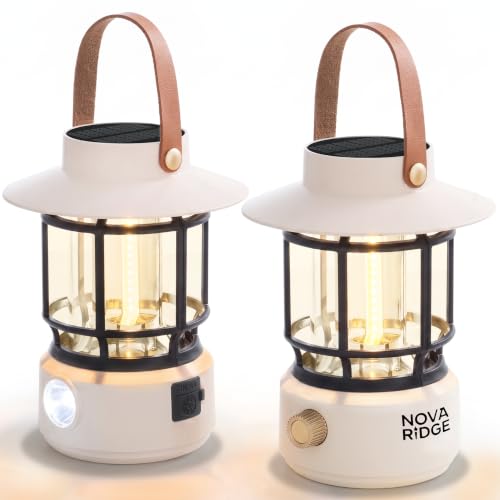
Not ready to commit? Consider a hybrid approach: bring your own camping cots and a thick sleeping pad, plus a camping lantern and portable espresso maker. Or book a glamping site but still cook your own meals over a campfire. Many glamping guide locations now offer "rustic luxury" where you get a bed but still pitch your own tent outside.
View Our Glamping Checklist →Environmental Impact & Ethics
Traditional camping, when done responsibly, has a low carbon footprint. Using a camping cooler instead of a mini-fridge, for example, reduces energy use. Practicing Leave No Trace principles ensures you protect wildlife. Glamping sites vary; some are eco-lodges powered by solar energy, while others consume significant resources. Look for eco-certified glamping resorts that prioritize sustainability.
Regardless of your style, always follow campfire regulations and respect quiet hours. Proper food storage from bears is essential whether you're in a tent or a luxury yurt.
Long-term Cost: Gear Investment vs Per-night Luxury
A one-time purchase of quality camping essentials like a durable tent ($200–$600), sleeping bag ($100–$300), stove ($50–$150), and camping chair ($40–$100) costs roughly $500–$1,200. That pays for 5–10 nights of glamping. If you camp 20+ nights a year, traditional camping saves thousands. Glamping is better for occasional trips or when you want zero setup hassle.
Packing Essentials: Camping vs Glamping
For traditional campers: Don't forget your camping backpack, camping cookware, a reliable camping lantern, and a camping first aid kit. Check our ultimate camping packing list for a complete guide.
For glampers: Pack a camera, comfortable walking shoes, a swimsuit (if there's a hot tub), and perhaps a camping blanket for evening bonfires. Your accommodation will supply the rest.
Explore more camping styles: car camping is a middle ground, RV camping offers mobile comfort, and primitive camping is for hardcore minimalists. For safety insights, read our guide on bear safety camping and lightning safety camping. First-timers should visit the first time camping tips page.