Tent vs Hammock: The Ultimate Camping Shelter Showdown
Choosing between a tent and a hammock can define your entire camping experience. We break down comfort, weight, durability, weather protection, and cost to help you decide.
When preparing for a night under the stars, one of the most critical decisions is your shelter. Do you go with the traditional free-standing camping tent or embrace the lightweight simplicity of a camping hammock? Both offer distinct advantages depending on your environment, trip length, and personal sleep style. Let’s dive deep into the tent vs. hammock debate so you can confidently choose the perfect shelter for your next outdoor adventure.
Why This Comparison Matters: Many campers struggle with back pain, poor sleep, or carrying too much weight. The right shelter solves these issues. Whether you are a backpacking for beginners or a seasoned solo adventurer, this guide provides clarity.
🏕️ Tent Camping
The classic shelter: a ground-based tent provides a secure, enclosed space for sleeping and storing gear. Ideal for families, couples, and harsh weather conditions.
- ✅ Pros: Superior weather protection (rain, wind, snow).
- ✅ Spacious interior and privacy.
- ✅ Works anywhere (no trees needed).
- ✅ Better for group camping and storing gear.
- ❌ Cons: Heavier and bulkier to carry.
- ❌ Requires flat, dry ground.
- ❌ Setup takes longer (poles, stakes, footprint).
- ❌ Can feel stuffy in hot climates.
Best for: Family camping, car camping, winter expeditions, and areas without trees.
🌲 Hammock Camping
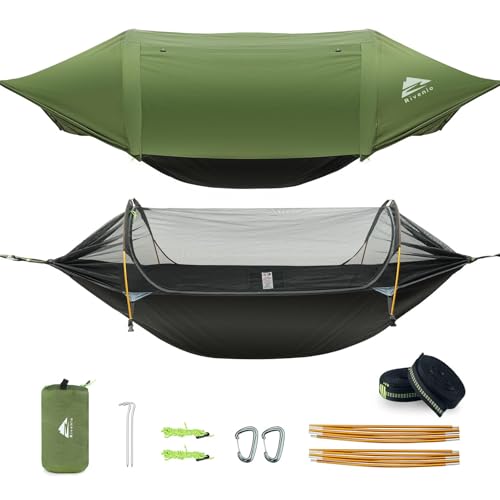
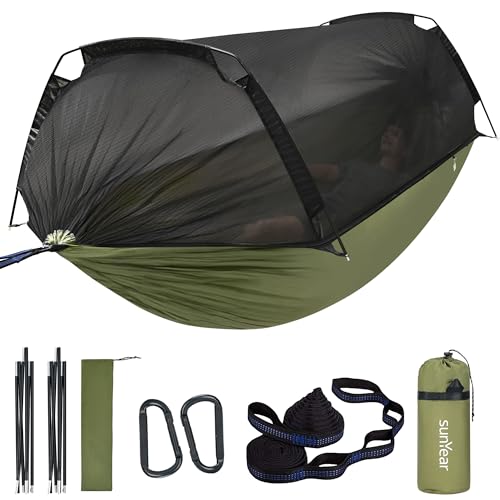
The ultralight revolution: a hammock suspends you between trees, offering a comfortable, "floating" sleep with minimal ground impact.
- ✅ Pros: Extremely lightweight and compact.
- ✅ Comfortable back support (no hard ground).
- ✅ Quick setup (under 5 minutes with practice).
- ✅ Leaves no trace, perfect for Leave No Trace principles.
- ❌ Cons: Requires two sturdy trees (or anchors).
- ❌ Less insulated; cold butt syndrome without underquilt.
- ❌ Limited privacy and gear storage.
- ❌ Can be tricky for side sleepers without proper lay.
Best for: Solo camping, backpacking, warm-weather trips, and forested environments.
Head-to-Head Comparison: Tents vs Hammocks
| Feature | Camping Tent | Camping Hammock |
|---|---|---|
| Average Weight (1-person) | 3–6 lbs | 1.5–3 lbs (with suspension) |
| Setup Time | 5–10 minutes | 2–5 minutes |
| Weather Protection | Excellent (rainfly, bathtub floor) | Good (requires tarp & underquilt) |
| Sleeping Comfort | Depends on sleeping pad & ground | Floating, pressure-point free |
| Insulation Required | Sleeping pad + sleeping bag | Underquilt + top quilt or sleeping bag |
| Cost (Entry Level) | $80–$200 | $60–$150 |
| Cost (Premium) | $300–$800+ | $200–$500+ |
| Tree Requirement | None | Two trees 12–15 ft apart |
Comfort & Sleep Quality: Which One Gives Better Rest?
Sleep quality is the #1 factor for an enjoyable trip. Traditional camping tents allow you to use a thick camping mats or air mattress, offering flat sleeping. However, rocky or uneven terrain can ruin a tent's comfort. Hammocks, on the other hand, conform to your body's natural curve and eliminate pressure points. Many users report zero back pain after switching to a hammock. For cold weather winter camping, tents paired with a winter sleeping bags trap heat better, while hammocks need an underquilt to prevent heat loss from below. If you are camping above treeline, a tent is mandatory; if you are in a dense forest, a hammock feels like a luxury bed.
Weather Protection & Four-Season Capability
When it comes to storms, snow, and high winds, a 4-season tent is unbeatable. Modern winter tents are designed to shed snow and resist 40+ mph gusts. A hammock with a diamond or hex tarp can handle moderate rain, but sideways wind and heavy downpours pose challenges. For summer camping in buggy areas, both setups require netting. A tent offers a bathtub floor that keeps ground water out, whereas a hammock keeps you above the puddles. Always check local campfire regulations and weather alerts before departure. If you plan hot tent camping with a stove, only a specialized hot tent works — hammocks are not compatible with wood stoves.
Weight, Packability & Your Backpack
For backpacking checklist enthusiasts, every ounce matters. A complete hammock system (hammock, suspension, tarp, underquilt, bug net) typically weighs between 2.5 to 4 lbs, similar to a lightweight tent. However, a hammock packs smaller because there are no poles. Tents require separate pole storage and often heavier fabric. Camping rucksack space is at a premium, so many thru-hikers prefer hammocks for their compressibility. Conversely, if you're car camping checklist, weight is irrelevant, and a large tent with room for a camping bed wins.
Cost Analysis: Budget to Premium
Entry-level tents start around $80 for a dome tent, while premium backpacking tents like Zpacks or Hilleberg cost $700+. A basic hammock kit can be as cheap as $60 for a parachute nylon hammock. But a full-featured system (hammock, bug net, tarp, underquilt) runs $250–$500. For example, a quality setup from Dutchware or Warbonnet is about $400. Tents generally cost more for the same level of weather resistance. If you're on a strict budget and camp only in summer, a simple hammock is cheaper. For year-round versatility, a mid-range tent around $250 is the sweet spot.
Best Scenarios: When to Choose a Tent vs a Hammock
Choose a Tent if: You are camping above treeline, in desert environments, or heavy snow; you need privacy and space for two+ people; you are bringing a camping with dogs checklist (dogs sleep better in tents); you require solid wind protection.
Choose a Hammock if: You are a solo backpacker looking to minimize weight; you camp in wooded areas with abundant trees; you have back or joint pain; you want a quicker setup and takedown; you are practicing leave no trace camping by minimizing ground impact. Many hammock campers also use a camping pillow for extra neck support.
🏆 Final Verdict: Tent vs Hammock — Who Wins?
There's no absolute winner — only the right tool for the job. For family trips and harsh weather, the tent is king. For ultralight backpacking and ultimate comfort in the woods, the hammock reigns supreme. Many serious campers own both. Start by analyzing your local terrain and typical season. If trees are guaranteed, a hammock is transformative. If you camp year-round in diverse environments, invest in a quality 3-season tent first.
Our Recommendation: New campers should begin with a reliable camping tent because it works everywhere. After mastering tent skills, expand to hammock camping for warm-weather trips. Whichever you pick, proper insulation, a good camping blanket, and safety gear from your camping first aid kit are non-negotiable.
Don't forget that your shelter is only one part of the system. Pair your tent or hammock with appropriate camping essentials like a camping lantern, reliable camping stoves for meals, and camping cooler for food storage. Review our camping checklists to ensure you never forget key items. Whether you go with a tent or hammock, the goal is to enjoy nature safely and comfortably.