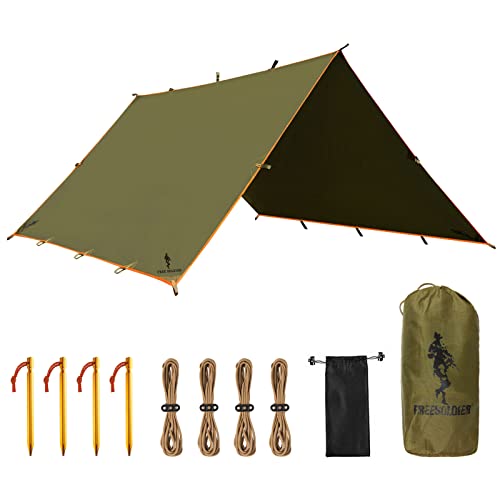
Camping Tarp: The Ultimate Shelter & Gear Protector
Transform any campsite into a weatherproof haven. Learn how to choose, set up, and master the camping tarp — the most versatile piece of gear in your kit.
Shop Top Tarps →Why a camping tarp? Whether you need extra rain coverage over your camping tent, a quick sunshade, or a lightweight shelter for backpacking, a tarp delivers unmatched flexibility. Our expert guide explains materials, sizes, rigging techniques, and how a simple tarp elevates your outdoor experience.
Why Every Camper Needs a Tarp
🌧️ All-Weather Protection
Shield your tent and gear from rain, morning dew, and even light snow. A quality tarp creates a dry vestibule for cooking and storage.
☀️ UV & Sun Shade
Summer camping? A reflective or poly tarp reduces heat gain, giving you a cool lounging area during peak sun hours.
⚖️ Lightweight & Compact
Modern silnylon or Dyneema tarps pack down smaller than a water bottle — ideal for camping backpack trips and minimalist adventures.
🛠️ Multipurpose Utility
Use as a ground sheet, emergency wind block, gear cover, or even an improvised stretcher. One tarp = endless solutions.
Choosing the Right Tarp Material
The material determines durability, weight, and price. Below are the most common tarp fabrics used by campers and backpackers.
| Material | Weight | Durability | Best For | Typical Price (10'x10') |
|---|---|---|---|---|
| Polyethylene (Blue Tarp) | Heavy | High abrasion | Car camping, budget ground cover | $15–$40 |
| Polyester (PU coated) | Medium | Good UV & tear resistance | Family camping, rain fly over tent | $40–$90 |
| Silnylon (Silicone-impregnated) | Light (≈12-16 oz) | Excellent strength-to-weight | Backpacking, thru-hiking | $80–$150 |
| Dyneema Composite Fabric (DCF) | Ultralight (≈6-9 oz) | Very high tear strength, no sag | Ultralight backpacking, luxury camping setups | $250–$500+ |
| Canvas / Waxed Cotton | Heavy | Breathable, vintage look | Traditional camping, hot tenting | $100–$250 |
Recommendation: For most car campers, a polyester tarp with taped seams offers the best balance. Backpackers should invest in silnylon or DCF to save weight. Pair your tarp with a quality camping mat for ground insulation.
Tarp Sizes & Configurations
Choosing the correct size depends on your needs: shelter for 1-2 persons, group cooking area, or gear storage. Here's a quick guideline:
- 5'x7' or 8'x10': Solo backpacker, emergency bivvy, footprint under tent.
- 10'x10' or 10'x12': Versatile for 2-4 campers, can create A-frame, lean-to, or dining canopy.
- 12'x16' or larger: Group camping, RV awning extension, picnic shelter.
Remember that a camping tarp can complement your main shelter or act as a standalone when stealth camping or going ultralight. Many experienced campers also hang a tarp over a camping hammock for all-weather sleeping.
Essential Tarp Setup Techniques
Master these three classic pitches to handle any terrain or weather condition. Use trekking poles, trees, or adjustable poles.
- A-Frame (Ridge Line): Most wind-resistant. Run a ridgeline between two trees/poles, drape tarp over, stake corners. Ideal for rain & wind protection.
- Lean-To: Angle tarp from a high horizontal line to ground stakes. Creates an open front — perfect for campfire warmth reflection and scenic views.
- Diamond/Flying Diamond: Single pole at center, stake out four corners. Great for fair weather, ventilation, and reducing sun exposure.
- Pavilion / Plow Point: One corner high, opposite corner low — fast setup for sudden showers while cooking.
Pro tip: always carry extra guylines (8–10 ft each) and 6-8 stakes. Practice at home before your first time camping checklist adventure.
Beyond Shelter: Creative Tarp Hacks
🏕️ Groundsheet Protector
Extend the life of your camping tent floor by placing a tarp underneath, folded slightly smaller to avoid water pooling.
🔥 Windbreak for Stove
String a small tarp between trees to block gusts when using camping stoves — improves cooking efficiency.
💧 Rain Catchment
Set up a corner low into a container to collect rainwater for washing or non-potable uses.
📦 Gear Shade / Mudroom
Keep camping cooler and food boxes out of direct sun, create a clean vestibule to remove muddy boots.
Also, a reflective emergency tarp is an essential part of any camping first aid kit for hypothermia prevention — always carry one.
Maintaining Your Tarp for Years
A little care extends tarp life dramatically:
- Dry before storing: Mildew is the #1 enemy. Hang to dry completely after rainy trips.
- Repair tears promptly: Use tarp repair tape or silicone seam sealer for silnylon/DCF.
- Avoid sharp edges: Clear the ground of sharp rocks before staking.
- Check grommets/loops: Reinforce with extra cordage or plastic washers to prevent ripping.
For winter outings, see our winter camping gear guide for cold-weather tarp insulation techniques.
Ready to Choose Your Perfect Camping Tarp?
You've learned about materials, sizes, and real-world setups. Now it's time to invest in a tarp that fits your camping style. Below are our top-recommended tarps — all rigorously tested for durability, packability, and weather resistance. Click any product to check the latest price on Amazon (affiliate). Each purchase supports our free guides. Happy camping!