Best Camping Stoves: Ultimate Buying Guide for Outdoor Cooking
Whether you're backpacking solo or cooking for the whole family, find the perfect camping stove to fuel your adventures. Expert reviews, fuel comparisons, and pro tips inside.
🔥 Why Your Camping Stove Matters: A reliable stove transforms your outdoor experience from basic survival to gourmet camping. Hot coffee at sunrise, warm meals after a long hike, and the comfort of a cooked dinner under the stars. We've tested dozens of models to help you make the right choice.
Types of Camping Stoves: Which One Fits Your Style?
Canister Stoves (Propane/Butane)
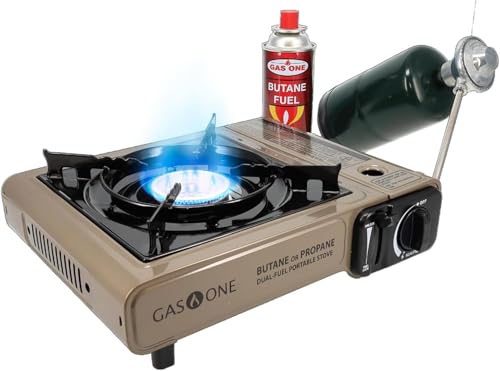
$30–$150Most popular choice for car camping and backpacking. Simple setup, instant ignition, and excellent temperature control. Ideal for weekend campers and families seeking convenience.
Best for: Quick meals, boiling water, moderate climates.
Liquid Fuel Stoves
$80–$250Perform in extreme cold and high altitudes where canisters fail. Use white gas, kerosene, or diesel. Trusted by mountaineers and winter camping enthusiasts.
Best for: Four-season camping, expedition travel, remote areas.
Wood-Burning Stoves
$50–$180No fuel to carry—just twigs, pinecones, and biomass. Eco-friendly and ultralight for backpacking beginners. Requires patience to gather and tend fire.
Best for: Ultralight backpackers, survivalists, off-grid trips.
Multi-Fuel Stoves
$120–$300Burn almost anything: gasoline, kerosene, diesel, or jet fuel. Ultimate flexibility for international travel and remote expeditions.
Best for: Global overlanders, expedition leaders, long-term adventurers.
Camping Stove Comparison: At a Glance
| Stove Type | Weight | Boil Time (1L) | Fuel Cost | Best Use Case |
|---|---|---|---|---|
| Canister | 0.5–2 lbs | 3–5 min | $$ | Family camping, quick trips |
| Liquid Fuel | 1–3 lbs | 4–6 min | $$$ | Winter camping, high altitude |
| Wood-Burning | 0.3–1 lb | 5–8 min | Free | Ultralight, survival |
| Multi-Fuel | 1.5–3.5 lbs | 3–6 min | $$–$$$ | International travel, remote areas |
Choosing the Right Fuel for Your Camping Stove
Fuel Options Explained
Propane/Butane Mix (Isobutane): Most convenient for camping gear setups. Easy to find, clean-burning, but loses efficiency below freezing. Average cost: $6–$10 per canister (8–10 meals).
White Gas (Coleman Fuel): Performs in -20°F temperatures. Refillable bottles reduce waste. Average cost: $15–$20 per gallon (30+ meals). Perfect for winter camping gear.
Wood/Biomass: Zero fuel cost but requires dry wood. Best paired with camping essentials kit for emergency preparedness.
Alcohol (Methanol/Ethanol): Ultralight and silent. Slow boil time but reliable. Great for solo camping trips where weight matters most.
What to Look For in a Camping Stove
✅ Advantages of Quality Camping Stoves
- Fast meal preparation (3–10 min boil times)
- Portable and lightweight designs
- Works in all weather with right fuel type
- Safer than open campfires during fire bans
- Allows gourmet cooking: stir-fry, pasta, fresh coffee
⚠️ Potential Drawbacks
- Fuel canisters create waste (recycle when possible)
- Liquid fuel stoves require priming and maintenance
- Cheap models have poor simmer control
- Wind can severely affect efficiency without shield
Camping Stove Maintenance & Safety Tips
🔧 Keep Your Stove Running Like New: Clean jets after every trip using a fine wire. Store canisters separately from stove. Check O-rings for cracks annually. For liquid fuel stoves, periodically pump and lubricate leather cup. Never use indoors or in enclosed spaces—carbon monoxide is deadly.
Pair your stove with quality camping cookware for even heating and durability. Always pack a camping first aid kit for burn treatment.