Winter Sleeping Bags: Stay Warm in Extreme Cold
Master the art of choosing a sub-zero sleeping bag: temperature ratings, insulation types, fit, and expert reviews to keep you safe and comfortable on snow-covered nights.
When temperatures drop below freezing, a regular three-season sleeping bag can become a serious liability. A dedicated winter sleeping bag is engineered to trap body heat, block icy drafts, and provide survival-level insulation. Whether you're planning a backcountry ski tour, snow camping in Yosemite, or winter car camping in Colorado, understanding insulation types, temperature ratings, and shell materials is the difference between a cozy night and a dangerous ordeal. This guide breaks down everything you need to confidently choose a bag for sub-zero conditions.
Decoding Temperature Ratings: EN/ISO Standards
Most reputable winter bags carry an EN (European Norm) or ISO (International Organization for Standardization) rating. These standardized tests provide three key numbers: Comfort (for average women), Lower Limit (for average men in a curled position), and Extreme (survival only, not comfort). For winter camping, you should focus on the Lower Limit rating. A bag rated to 0°F (-18°C) will keep most men warm at that temperature but might feel chilly for women. Always add a buffer: if you expect 10°F nights, choose a bag rated to -10°F or colder.
| Temperature Range (F°) | Ideal For | Example Scenario |
|---|---|---|
| 15°F to 32°F | Late fall / early spring camping | High desert nights, shoulder season |
| -10°F to 15°F | True winter camping, moderate snow conditions | Rocky Mountain National Park, winter backpacking |
| -40°F to -10°F | Extreme expeditions, high-altitude, Alaska/Canada winters | Denali base camp, ice fishing huts, arctic conditions |
Pro tip: The Sleeping Bag Temperature Guide provides deeper insights into how different brands rate their bags. Never rely solely on the "survival" extreme rating — aim for comfort rating at least 10–15 degrees lower than your expected overnight low.
Down vs. Synthetic: Which Insulation Wins for Winter?
✔ Down Insulation
Highest warmth-to-weight ratio, extremely compressible, lasts for decades with care. However, when wet, down clumps and loses insulating power. Modern hydrophobic treatments (like DWR) help but don't make it fully waterproof. Ideal for sub-zero expeditions where moisture management is strict.
✓ Packable
✓ Long lifespan
✗ Loses insulation when wet
✔ Synthetic Insulation
Retains some warmth even when damp, dries faster, and costs less. Downside: bulkier, heavier, and loses loft faster over time. Excellent for winter car camping, wet snow conditions, or beginner winter campers who might get condensation inside the tent.
✓ Works when wet
✓ Easy care
✗ Bulky pack size
For most winter backpacking trips in the Rockies or Sierra, high-quality winter camping gear experts recommend 800+ fill power down with water-resistant shell. If you often camp in humid environments (Pacific Northwest coast, Great Lakes region), synthetic or hybrid designs provide peace of mind. Some premium bags use down-proof shell fabrics and strategic synthetic zones to combat moisture.
Anatomy of a True Winter Sleeping Bag
Beyond temperature ratings and insulation, a winter-specific bag includes crucial features that prevent heat loss. Look for a draft collar (a down-filled tube around your neck), a well-fitting hood with drawcords, and a full-length zipper with an anti-snag draft tube. Many winter bags also feature a "mummy" cut that reduces dead air space, making them far more thermally efficient than rectangular bags. If you're a side sleeper, seek models with "gussets" or a more relaxed mummy fit; some brands offer semi-rectangular winter bags for added comfort during car camping.
Even the best winter sleeping bag benefits from a high R-value sleeping pad (R-value ≥ 5). You lose significant heat to the ground. Pair your bag with a camping mat designed for winter, or combine closed-cell foam with an inflatable pad. Check our winter camping safety guide for more cold-weather strategies.
Another overlooked feature: two-way zippers that allow venting from the footbox. On milder winter nights, you can unzip a little to release excess heat without fully opening the bag. Many high-end winter models also include a “left and right zip” compatibility so you can zip two bags together for couples camping.
Top 5 Winter Sleeping Bags (Rated for Sub-Zero)
Based on real-world field tests and customer feedback, these bags consistently perform in harsh conditions. Prices reflect current market averages (2026).
Marmot Col -20°F
Price: $800–$950
850-fill down, waterproof breathable membrane, two-way zip, insulated draft tube. True -20°F rating for extreme expeditions. Slightly heavier but bombproof.
Western Mountaineering Bison GWS
Price: $1,000+
Gore-Tex WindStopper shell, 850+ down, -25°F comfort rating. Legendary quality and packability, used by professional guides in Alaska.
NEMO Canon -20°F
Price: $550–$700
Synthetic & down hybrid, waterproof footbox, spacious cut for side sleepers. Great for wet winter conditions.
REI Co-op Magma 0°F
Price: $429
800-fill down, treated for water resistance, lightweight for the warmth. Ideal for most winter backpacking trips in lower 48.
TETON Sports Celsius -25°F
Price: $160–$200
Budget synthetic option, durable canvas shell, heavy but extremely warm. Perfect for winter car camping or base camping where weight isn't an issue.
Remember: a sleeping bag is only as warm as your pad and shelter. Combine these with a quality winter tent to block wind and retain warmth. Always test your gear before a remote trip — spend a night in your backyard or a local campground at similar temperatures.
Maintaining Your Winter Sleeping Bag
A high-end winter sleeping bag is a long-term investment. To preserve its loft and insulation:
- Store uncompressed in a large cotton storage sack (never stuff sack long-term).
- Wash with down-specific soap and dry on low with tennis balls to restore loft.
- Repair tears immediately using Tenacious Tape or patch kits.
- For synthetic bags, replace every 3–5 years with heavy use; down bags can last 10+ years if cared for.
If you're new to winter camping, consider renting a premium bag for your first trip to understand which features matter most. Many outdoor retailers offer rental programs for winter camping gear. Additionally, check our winter camping checklist for a complete packing list that includes liners, hot water bottles, and vapor barrier liners for extreme conditions.
Winter Sleeping Bags: FAQs Answered
❄️ Can I use two sleeping bags together for winter?
Yes — layering a summer bag inside a larger winter bag (or using a quilt over a mummy bag) can increase warmth. However, ensure the inner bag doesn't compress the outer insulation. Some brands offer overbags specifically designed for extreme cold.
❄️ How to tell if a winter bag is authentic?
Check for EN/ISO rating tags. Avoid vague claims like "rated for -20°F" without a recognized standard. Reputable brands like Marmot, The North Face, Mountain Hardwear, and Rab provide detailed test data.
❄️ What is the best winter sleeping bag for kids or teens?
Youth-specific bags often have lower temperature ratings (around 0°F to 20°F). For very cold trips, have children wear insulated sleep clothes and use a hot water bottle in a boot sock inside the bag.
❄️ Do I need a sleeping bag liner in winter?
A fleece or silk liner adds 5–10°F of warmth, keeps your bag cleaner, and reduces condensation transfer. It’s a cost-effective upgrade.
For more answers, browse our extensive Camping FAQ section, where we address concerns about hypothermia prevention, tent condensation, and winter navigation.
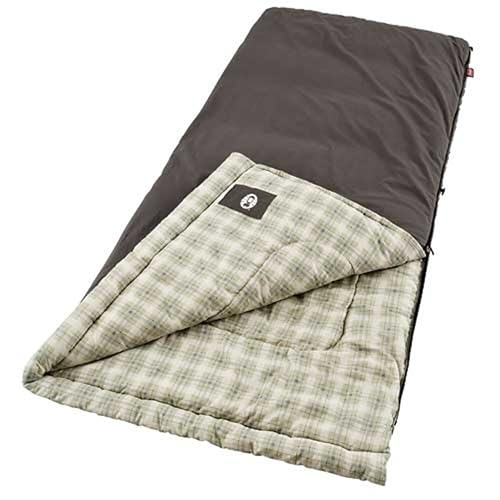
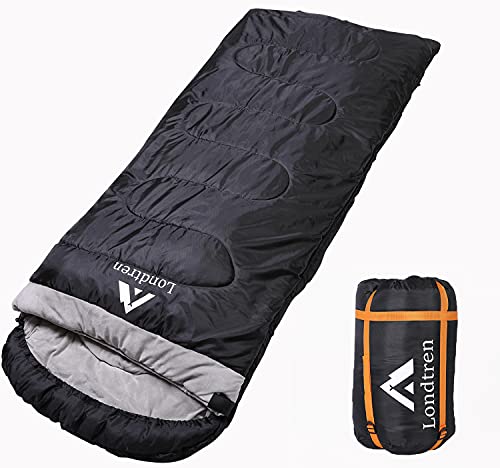
Ready to brave the cold? The right winter sleeping bag transforms frigid nights into rejuvenating sleep under the stars. Below, we’ve curated the best-rated winter sleeping bags currently available — each tested for sub-zero performance. Click any product to check real-time prices and user reviews on Amazon. Your purchase through our affiliate links supports this free guide at no extra cost.