Emergency Beacons: Satellite Messengers vs PLBs
Stay connected and safe in the backcountry. Learn how to choose the right SOS device for your adventures — from satellite messengers to personal locator beacons (PLBs).
Shop Top Picks →Why trust this guide? We’ve analyzed dozens of emergency beacons based on coverage, battery life, subscription costs, and real-world rescue reliability. Whether you’re a solo backpacker or a family RVer, this guide helps you choose the right lifeline for off-grid emergencies.
What Are Emergency Beacons?
Emergency beacons are life-saving devices designed to summon help when you’re outside cellular range. They connect to satellite networks (like Globalstar, Iridium, or Cospas-Sarsat) to send distress signals, your GPS location, and two-way messages. For campers, hikers, and overlanders, a beacon is the most critical piece of camping safety gear you can carry.
Unlike a smartphone, emergency beacons work in remote canyons, dense forests, and mountain passes — anywhere with a clear view of the sky. Modern devices offer features like weather forecasts, location sharing, and even non-emergency messaging. Pairing a beacon with other emergency communication tools creates a robust safety net for any expedition.
Satellite Messenger vs Personal Locator Beacon (PLB)
Understanding the difference between satellite messengers and PLBs is key to making the right choice. Both trigger SOS, but they serve different needs. Let’s break down the core distinctions.
| Feature | Satellite Messenger | Personal Locator Beacon (PLB) |
|---|---|---|
| Two-Way Messaging | ✅ Yes (send/receive texts, check-ins) | ❌ No (SOS only, one-way signal) |
| Subscription Required | ✅ Monthly/annual fee ($12–$50/mo) | ❌ No subscription (free to use) |
| Satellite Network | Iridium, Globalstar, Inmarsat | Cospas-Sarsat (government-run) |
| Battery Life | 5–20 days (active use) | 5+ years (standby), 24+ hrs transmitting |
| Location Tracking | ✅ Share location to contacts | ❌ No tracking |
| Best For | Backpackers, climbers, families who want updates | Boaters, remote explorers, budget-conscious users |
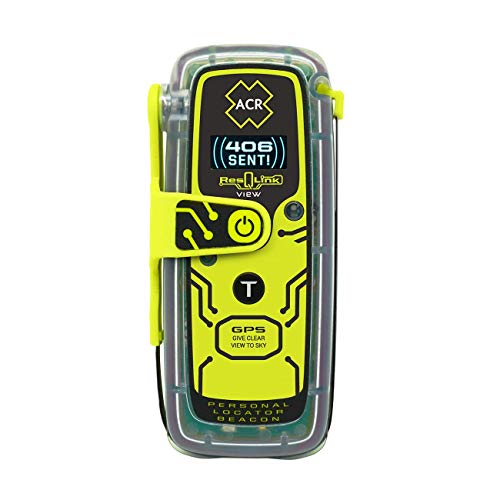
If you want to send check-in messages to loved ones or receive weather updates, a satellite messenger (like Garmin inReach or ZOLEO) is ideal. For pure emergency-only use with no monthly fees, a PLB (like ACR ResQLink) is unbeatable. Many campers also carry a camping communication device alongside their beacon for redundancy.
Key Features to Consider
Choosing the right emergency beacon involves evaluating these essential features. Here’s what matters most for your outdoor adventures.
🌐 Satellite Coverage
Iridium offers true global coverage (including poles). Globalstar covers most landmasses but has gaps. PLBs use Cospas-Sarsat with worldwide reach.
🔋 Battery & Power
Look for USB rechargeable messengers (10–20 days). PLBs have non-rechargeable lithium batteries with 5+ year shelf life — ideal for “set and forget”.
📱 Companion App
Most messengers pair with smartphones for easy messaging and mapping. Ensure the app works offline and has intuitive SOS triggers.
⛑️ SOS Response Time
GEOS (for Garmin) and other monitoring centers respond within minutes. PLBs route directly to local rescue authorities — response times vary.
Which Emergency Beacon Is Right for You?
Your choice depends on your primary activities. Here’s a practical breakdown based on real-world camping scenarios.
🏕️ For Backcountry Campers & Solo Hikers
Satellite messengers are the top pick. Devices like the Garmin inReach Mini 2 or Spot X allow two-way messaging, weather forecasts, and tracking. Solo campers benefit from shareable location links — if you don’t check in, someone can alert authorities. Pair your messenger with a reliable camping backpack that keeps the device accessible.
🚐 For RV & Car Camping Families
Consider a ZOLEO or Somewear Global Hotspot for group connectivity. These devices create a satellite hotspot for multiple phones, letting family members send texts via their own devices. Also check RV camping guides for off-grid communication setups.
⛰️ For Winter & Remote Expeditions
PLBs (ACR ResQLink View, Ocean Signal RescueME) excel in extreme cold because they have no rechargeable batteries to freeze. For deep winter camping, a PLB paired with a satellite messenger gives redundancy. Ensure the device is stored in an inner pocket to keep warm.
💧 For Water & Coastal Adventures
Look for IPX7 or floating PLBs (e.g., ACR GlobalFix V5). Kayakers and boaters should also pack a handheld VHF radio. Read our beach camping safety checklist for more coastal tips.
How to Activate SOS – Step by Step
When every second counts, knowing your device’s SOS procedure saves lives. Follow these universal steps:
- Stop and assess: Ensure you and your group are safe. Only activate SOS for life-threatening emergencies.
- Reveal the antenna (PLB): Flip up the antenna fully. For messengers, press the dedicated SOS button (often under a protective cover).
- Wait for confirmation: Most devices flash LED lights or vibrate when the signal is received. Stay put unless danger is imminent.
- Communicate if possible: For two-way messengers, reply to the rescue coordinator with details about injuries, terrain, and group size.
- Conserve battery: After SOS is acknowledged, turn off non-essential tracking features. Keep the device facing the sky.
After an SOS event, all modern PLBs and messengers automatically transmit your location periodically. For detailed wilderness medical guidance, always carry a camping first aid kit and know basic first aid.
Subscription Plans Explained
Satellite messengers require ongoing subscriptions, which can be confusing. Here’s a quick overview of typical plans (2026 rates):
- Garmin inReach: Freedom plan from $14.95/mo (monthly) or annual from $11.95/mo. Includes 10 text messages and tracking points.
- ZOLEO: $19.99/mo for unlimited global messaging + SOS. Cheaper annual plans available.
- Spot: Basic plan $14.95/mo for check-ins + SOS, but two-way messaging requires higher tier ($24.95/mo).
- PLBs: No subscription – you only pay for the device (typically $250–$450). Battery replacement every 5 years costs $100–$150.
If you camp only 1–2 times per year, a PLB is more economical. For frequent outdoor enthusiasts, the subscription messenger adds peace of mind and convenience. Many also pack a portable power station to keep messengers charged on longer trips.
Extend the Life of Your Beacon
Proper maintenance ensures your device works when you need it most. Follow these tips:
- Test monthly: Send a test message (messengers) or check self-test function (PLBs).
- Store in cool, dry place: Extreme heat degrades batteries. Avoid leaving in a parked car in summer.
- Update firmware: For messengers, keep the app and device software current.
- Replace PLB batteries every 5 years (check expiration date). Many manufacturers offer battery replacement services.
- Check subscription status before each trip. Paused plans can be reactivated online.
Integrate beacon checks into your camping checklists — make it a habit before every major trip.
Final Verdict: Be Prepared, Stay Safe
Emergency beacons are not optional gear for backcountry adventurers — they are essential lifelines. Whether you choose a subscription-based satellite messenger for two-way texting or a no-fee PLB for pure SOS, carrying a beacon transforms a potential tragedy into a rescue operation. Combine your beacon with standard emergency preparedness practices: share your itinerary, pack extra layers, and know basic outdoor survival.
Ready to equip yourself? Below you’ll find our hand-picked emergency beacons — each rigorously evaluated for reliability, coverage, and value. Click through to check current pricing on Amazon. Your safety is worth the investment.
📡 Related reading: Explore more camping technology guides, including satellite communicators, two-way radios, and offline camping apps to complete your off-grid toolkit.