Cold Weather Camping Safety: Survive & Thrive in Freezing Conditions
Master the essential skills, gear, and mindset to camp safely when temperatures drop below freezing. Learn hypothermia prevention, proper layering, winter campsite tactics, and emergency protocols that save lives.
Get Winter-Ready →❄️ Why this matters: Every year, unprepared campers face life-threatening risks from cold exposure. Unlike summer camping, winter camping demands specialized knowledge. In this guide, you’ll learn proven techniques from frostbite prevention to choosing the right winter tents and winter sleeping bags. Whether you're a beginner or seasoned explorer, these cold weather camping safety principles will keep you alive and comfortable.
1. Understanding Cold Weather Hazards
Cold weather camping introduces dangers like hypothermia, frostbite, dehydration, and equipment failure. Hypothermia occurs when your body loses heat faster than it can produce, causing shivering, confusion, and eventually unconsciousness. Frostbite damages skin and underlying tissue, often affecting fingers, toes, nose, and ears. Winter winds increase chill factor dramatically. Proper cold weather camping safety starts with recognizing early warning signs: uncontrollable shivering, slurred speech, drowsiness, or numbness. Always camp with a partner and monitor each other’s condition.
🧊 Hypothermia Prevention
Stay dry above all else. Cotton kills — never wear cotton base layers. Use merino wool or synthetic fabrics. Eat high-calorie foods and hydrate (cold weather suppresses thirst). Wear a hat and insulated gloves. Have an emergency plan and know how to create a snow shelter building technique if stranded.
❄️ Frostbite Recognition
Frostbite signs: pale, waxy skin, numbness, hard or blistering flesh. Rewarm gradually using body heat or warm (not hot) water. Never rub frostbitten areas. Protect extremities with quality winter boots camping and chemical hand warmers. Windproof mittens are superior to gloves in extreme cold.
2. Essential Winter Gear for Safety
Your life depends on proper equipment. Start with a four-season tent designed to withstand snow loads and high winds — winter tents feature stronger poles and less mesh. Pair with a winter sleeping bag rated at least 10–15°F below your expected low (e.g., a -20°F bag for 0°F conditions). Use a high R-value sleeping pad (R-value ≥ 5) to insulate from frozen ground. A camping heater (like a radiant propane heater with tip-over safety) adds warmth but requires ventilation — never use in a sealed tent. For cooking, choose a liquid fuel stove (white gas) as canister stoves fail in extreme cold.
✅ Cold Weather Camping Safety Checklist
- 4-season tent + snow stakes
- Sleeping bag (rated -10°F to -30°F)
- Insulated sleeping pad (R-value >5)
- Layering system: base, mid, shell
- Waterproof & insulated boots
- Chemical hand/body warmers
- Liquid fuel stove + extra fuel
- Thermos for hot drinks
- Headlamp with lithium batteries
- Emergency bivy & fire starter kit
- Portable power bank (cold-resistant)
- GPS / satellite communicator
3. Layering & Clothing System
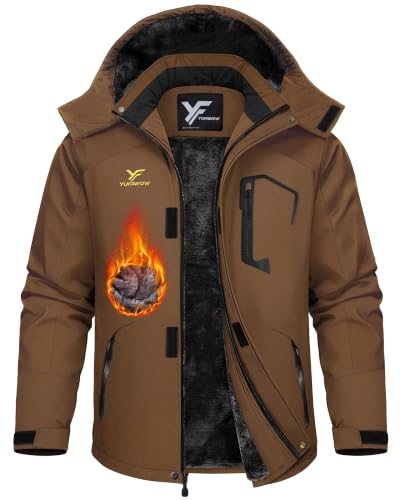
The three-layer system is non-negotiable for layering clothing winter. Base layer: merino wool or polypropylene (no cotton) to wick moisture. Mid layer: fleece or lightweight down for insulation. Outer layer (shell): waterproof, windproof, breathable jacket and pants. Avoid sweating — open vents before exertion. Bring spare base layers and socks. Don’t forget insulated gloves, a balaclava, and goggles for whiteout conditions. For extreme weather, consider how to stay warm winter techniques like boiling water bottles placed in your sleeping bag (sealed tight).
🏕️ Campsite Setup in Snow
Choose a spot sheltered from wind (downwind of trees or ridges). Avoid avalanche terrain. Pack snow firmly before pitching tent. Use snow anchors or deadman techniques. Build wind walls with piled snow. Never camp directly under snow-laden branches. For guidance, see how to setup tent on snow.
🔥 Cold Weather Hydration & Nutrition
You need 3–4 liters of water daily, but cold reduces thirst. Melt snow using stove (never eat snow directly — it lowers core temp). Add electrolytes. Eat fats and proteins: nuts, cheese, fatty meats, and hot soups. Warm drinks before sleeping boost core warmth. Read winter hot drinks recipes for ideas.
4. Winter Emergency Protocols
Even with preparation, emergencies happen. Always file a trip plan, carry a winter emergency kit with a bothy bag, space blanket, whistle, and satellite messenger (e.g., Garmin inReach). Know how to treat hypothermia: move to shelter, remove wet clothes, apply warm compresses to core (neck, chest, groin), and provide warm sweet liquids if conscious. For frostbite, avoid walking on affected feet. Signal for help using bright markers or emergency beacon. Check avalanche safety if traveling in mountainous terrain. Also, review prevent frostbite and hypothermia prevention before any winter trip.
🚨 7 Golden Rules of Cold Weather Camping Safety
- 1. Avoid cotton — choose wool or synthetics.
- 2. Stay dry — change socks/clothes immediately if wet.
- 3. Eat & drink frequently — fuel internal heat.
- 4. Vent layers to prevent sweat accumulation.
- 5. Never sleep with a fuel-burning heater inside tent.
- 6. Keep sleeping bag and pad dry — use a bivy cover.
- 7. Learn to recognize early signs of hypothermia (shivering, confusion).
5. Best Practices for Winter Trip Planning
Research weather forecasts, avalanche reports, and road closures. Start with short, close-to-civilization trips to test gear. For inspiring locations, explore best winter camping US spots like Rocky Mountain NP or winter camping Colorado backcountry. Consider guided courses for avalanche safety and winter survival. Always share your itinerary with a contact, and set check-in times. If using technology, carry best handheld GPS devices that work in sub-zero temps, plus backup paper maps. A portable charger like camping power banks with lithium-ion batteries (better cold performance) keeps devices alive.
💡 Smart investment: A quality winter sleeping bags rated -20°F typically costs $350–$700, while a 4-season tent ranges $500–$1,200. These are life-saving purchases. For budget options, focus on layering and a high R-value pad (starting at $120). Always test equipment before a remote trip.
By internalizing these cold weather camping safety principles, you transform winter wilderness into a breathtaking and safe adventure. Remember: there is no shame in turning back if conditions exceed your comfort or skill. The mountain will wait. Stay warm, stay smart, and enjoy the silent beauty of winter camping.