Ultimate Camping Blanket Guide: Warmth, Portability & Comfort
From frosty mountain nights to breezy beach evenings — discover how to select the perfect camping blanket that balances weight, insulation, and durability.
A high-quality camping blanket is more than just an extra layer; it’s a game-changer for sleep quality, campfire lounging, and unexpected temperature drops. Unlike traditional sleeping bags, blankets offer versatility — wrap it around your shoulders, use it as a ground cover, or layer it over your camping mats for extra cushioning. Whether you’re planning a car camping trip or a lightweight backpacking adventure, the right blanket can transform your outdoor experience.
In this guide, we break down insulation types (down vs synthetic vs wool), temperature ratings, packability, and durability — so you can confidently choose a camping blanket that matches your style, season, and budget. We also highlight recommended products (affiliate links) to help you find the best deal without guesswork.
1. Insulation Materials: Down, Synthetic & Wool
Each material offers a unique balance of warmth, weight, and weather resistance. Understanding them is the first step to making an informed purchase.
Highest warmth-to-weight ratio, ultra-packable, but loses insulation when wet. Ideal for dry, cold conditions and backpacking.
Retains warmth even when damp, dries quickly, budget-friendly, slightly heavier. Perfect for humid or unpredictable climates.
Natural moisture-wicking, fire-resistant, durable, and heavy. Best for car camping, basecamp, or winter camping near a fire.
Typical price ranges: Synthetic blankets $25–$70 | Down blankets $70–$200+ | Wool blankets $50–$150. For most three-season campers, a quality synthetic or entry-level down blanket offers the best value.
2. Understanding Temperature Ratings (Comfort vs Limit)
Unlike sleeping bags, many camping blankets don't follow EN ratings, but brands often list “comfort temperature” or suggested use. Look for:
- Summer / Lightweight (40°F+): Thin synthetic or cotton blends — great for warm nights or as a liner over a camping pillow.
- 3-Season (20°F – 40°F): Mid-weight down or synthetic, perfect for spring through fall when paired with proper camping essentials.
- Winter / Cold Weather (below 20°F): Heavy wool or multi-layer blankets; often used inside a winter tent or as an over-blanket on top of a sleeping bag.
💡 Pro tip: If you plan to camp mostly in temperatures between 30°F and 60°F, a synthetic 40°F-rated blanket combined with a sleeping pad (like camping mats) will keep you warm and dry. For cold sleepers, consider a down blanket rated at 30°F or lower.
3. Size, Weight & Packed Volume
Your camping style dictates size priority. Car campers can carry larger, heavier blankets (e.g., 60"x80" wool blankets). Backpackers need ultralight options that compress to the size of a Nalgene bottle.
- Throw size (50"x60") – Ideal for solo use, covering legs, or as a lap blanket.
- Twin/Full (60"x80") – Perfect for couples or sharing around the campfire.
- King/Maxi (80"x90") – Best for family car camping or glamping (see glamping checklist).
Check packed dimensions: down blankets often pack down to 5–8 liters, while synthetic equivalents may be 8–12 liters. Wool blankets rarely compress well — keep that in mind if space is limited in your camping backpack.
4. Durability, Water Resistance & Maintenance
Camping blankets face dirt, dew, and accidental spills. Look for DWR (Durable Water Repellent) coatings on down blankets, ripstop nylon shells for synthetic models, and tightly woven wool for natural durability.
- ✔️ Easy care: Most synthetic blankets are machine washable (cold, gentle).
- ✔️ Down blankets: Require special down soap and low heat drying; some are not washable at home.
- ✔️ Wool blankets: Spot clean or dry clean; avoid frequent washing.
For families and camping with dogs, a durable synthetic or polyester fleece blanket is your best bet — it’s easy to shake off dirt and quick to dry.
5. Blanket for Every Adventure: Car, Backpacking, Winter
Car camping & Basecamp: Prioritize comfort and warmth. Consider a large wool blend or a double-sized synthetic puffy blanket. Pair with camping chair for evening relaxation.
Backpacking & Thru-hiking: Every ounce counts. Choose a lightweight down camping blanket (around 14–20 oz) with a stuff sack. Many ultralight hikers use a quilt-style blanket instead of a full sleeping bag for weight savings.
Winter & cold weather: Layer a waterproof-breathable outer blanket over a thick wool blanket. For extreme conditions, use as a supplement to a winter sleeping bag or inside a hot tent.
Beach & festivals: Look for sand-resistant, lightweight cotton or polyester blankets with corner stakes (see beach camping checklist).
6. Maintenance Tips to Extend Blanket Life
Proper care ensures your investment lasts for years. After each trip, shake off debris and air-dry the blanket (avoid direct sunlight for extended periods). Store uncompressed (unless it’s a backpacking blanket with a storage sack). For musty smells, wash with mild detergent or Nikwax Tech Wash for technical fabrics. Never store a damp blanket — mold can destroy insulation quickly.
🔧 Quick repair: Small tears on synthetic blankets can be fixed with tenacious tape or nylon repair patches. For down blankets, patch the shell as soon as possible to prevent feather loss.
7. Frequently Asked Questions (Camping Blanket Edition)
- Can I use a regular home blanket for camping? Yes for car camping, but home blankets lack water resistance and packability. Outdoor blankets use technical fabrics and insulation designed for temperature swings.
- Are camping blankets warmer than sleeping bags? Not typically. Sleeping bags have hoods and full encapsulation, but blankets offer more freedom of movement. For best results, layer a blanket over your sleeping bag in cold weather.
- How do I clean a down camping blanket? Use a front-loading washer (no agitator) with down-specific soap, then tumble dry on low with tennis balls to restore loft.
- What’s the best blanket for solo camping? A lightweight 50"x70" down blanket (around $90) gives the best warmth/weight for one person.
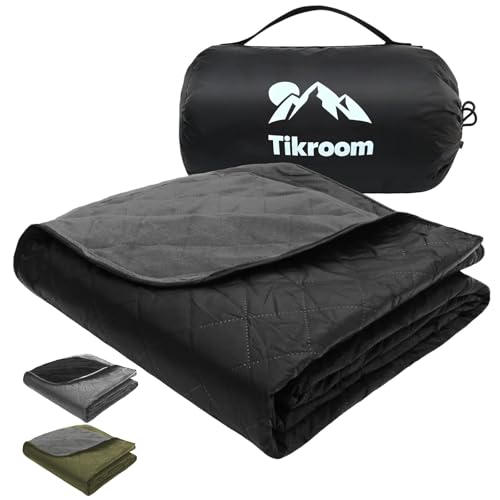
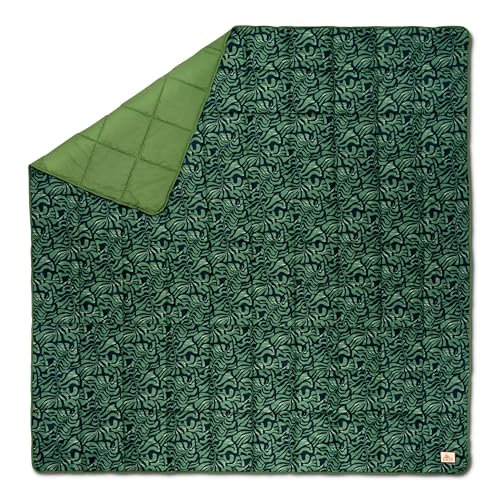
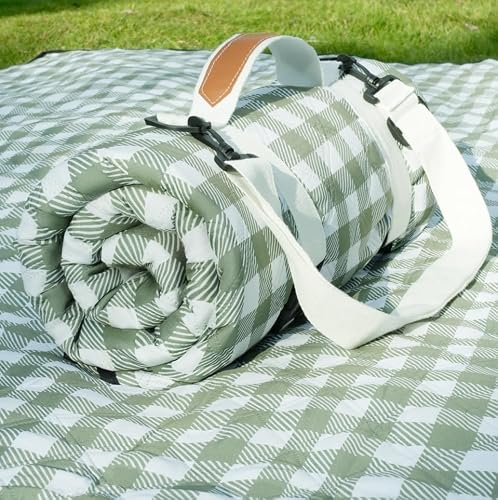
After reading this guide, you’re equipped to pick a camping blanket that matches your adventure style, climate, and budget. Below you’ll find hand-picked recommended camping blankets from trusted brands — each selected based on warmth, durability, and customer satisfaction. These are affiliate links that help support our free content at no extra cost to you. Click any product to check real-time prices and customer reviews on Amazon. Whether you need an ultralight quilt for the Appalachian Trail or a rugged wool blanket for the family campsite, there’s an option here for you.