Ice Fishing Safety: Essential Rules & Gear to Prevent Accidents
Stay safe on frozen lakes with proven ice thickness guidelines, must-have rescue equipment, and life-saving techniques. Whether you're a beginner or seasoned angler, this guide prepares you for secure winter fishing.
Why Ice Fishing Safety Matters: Every winter, anglers fall through unstable ice, leading to hypothermia or drowning. Knowing how to assess ice conditions, carrying the right winter camping gear, and understanding self-rescue methods can save your life. This guide provides actionable steps to ensure every ice fishing trip ends safely.
Ice Thickness Safety Chart: Minimum Guidelines
Ice strength depends on age, temperature, water currents, and snow cover. Use these industry-standard minimum thicknesses for safe activities. Always add a margin of safety: clear ice is stronger than white or refrozen ice.
| Ice Thickness (inches) | Ice Thickness (cm) | Safe Activity |
|---|---|---|
| 2" (5 cm) | 5 cm | STAY OFF – Unsafe for任何人 |
| 4" (10 cm) | 10 cm | Ice fishing alone or small group (walking) |
| 5" (12.7 cm) | 12.7 cm | Snowmobile or ATV (single rider) |
| 8"-12" (20-30 cm) | 20-30 cm | Light car or small truck (parked) |
| 12"-15" (30-38 cm) | 30-38 cm | Medium truck / family sedan |
Must-Have Ice Fishing Safety Equipment
Having the right safety gear can turn a potential tragedy into a close call. Below is the essential equipment every ice angler must carry — many items are also crucial for general winter camping and winter camping safety.
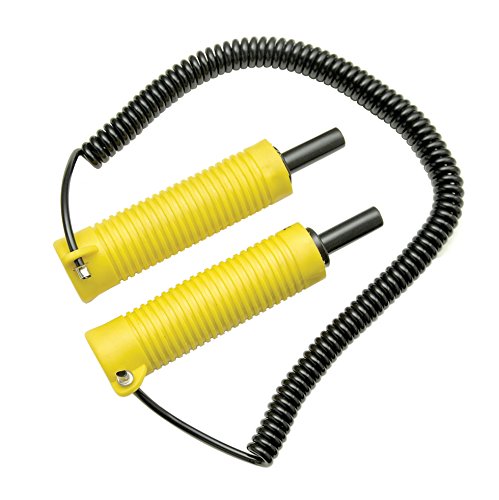
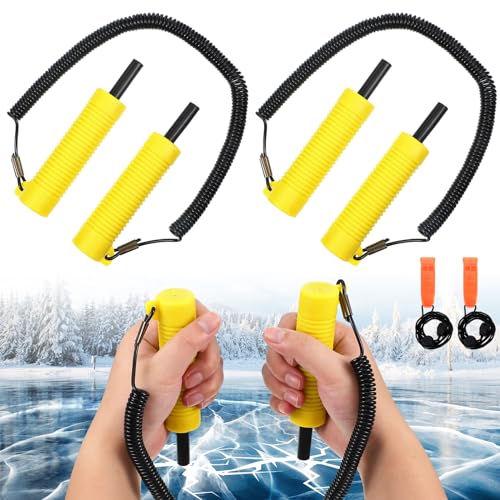
❄️ Ice Picks (Hand Spikes)
Wearable metal picks on a lanyard. If you fall in, dig them into the ice to pull yourself out. Price range: $12–$30
Essential: under $25🦺 Ice Fishing Float Suit
Buoyant suit that provides flotation and insulation. Premium models include integrated harness. Price: $180–$450+
Invest for safety🧊 Ice Cleats / Traction Devices
Prevent slips on bare ice. Essential for walking and drilling holes. Price: $20–$60
Sturdy grip🆘 Throw Rope & Ice Rescue Kit
Floating rope (50-75 ft) with a rescue bag. Allows you to pull someone from a distance. Price: $25–$70
Group must-have📱 Emergency Communication Device
Carry a satellite messenger or PLB where cell service fails. See our emergency communication guide for details. Price: $150–$400
Lifesaving tech🧥 Thermal Base Layers & Dry Bag
Wool or synthetic layers plus a change of dry clothes in waterproof bag. Combine with layering clothing winter advice. Price: $40–$150
Hypothermia preventionHow to Survive an Ice Breakthrough: Self-Rescue Steps
If you fall through the ice, the first 60 seconds are critical. Stay calm and follow these steps:
- Turn toward the direction you came from – that ice already held your weight.
- Kick your legs to get horizontal, use ice picks to dig and pull your upper body onto solid ice.
- Roll away from the hole – do not stand up. Distribute weight to prevent breaking again.
- Get to shelter/warmth immediately – remove wet clothes, use emergency blanket, and build fire or use heater.
For more cold-weather survival, read our detailed article on hypothermia prevention and cold weather camping safety. Learning these skills before you hit the ice makes all the difference.
Ice Fishing Pre-Trip Safety Checklist
- Check local ice reports and recent weather (avoid after warm spells).
- Inform someone of your exact location and expected return time.
- Carry ice picks, throw rope, and a waterproof phone case.
- Wear a properly fitted ice float suit or a life jacket under your parka.
- Bring a buddy — never ice fish alone. Use the buddy system for rescue.
- Carry a spud bar to test ice thickness every few yards.
- Pack a winter emergency kit with hand warmers, fire starter, and signaling device.
Top-Rated Ice Fishing Safety Gear (Winter 2025/26)
Based on expert reviews and angler testing, the following equipment provides best-in-class reliability. Investing in quality safety gear ensures many seasons of worry-free fishing.
🔹 Pro Tip: Combine ice fishing with proper winter camping practices. Learn how to stay warm in winter and use a portable shelter like an ice fishing tent. For vehicle access, always check frozen lake safety guidelines before driving on ice.
If you're exploring new lakes, understand local regulations via state park camping or BLM camping rules for winter access points.
Ice Rescue Techniques: Saving a Friend
If someone falls through, do not run toward them — you'll likely break through too. Follow these steps:
- Reach or Throw, Don't Go – extend a tree branch, rope, or cooler lid from a safe position.
- Use a throw bag with floating line; aim beyond the victim and pull slowly.
- Once rescued, get the person into a warm shelter, remove wet clothing, and apply dry layers or sleeping bag. Begin rewarming gradually.
Learn more about wilderness first aid and emergency preparedness camping to handle post-rescue situations effectively.
Responsible ice fishing: Always practice Leave No Trace principles. Remove all gear, fishing line, and trash. Avoid disturbing wildlife. Respect seasonal closures to protect spawning grounds.