
Best Camping Cots: Complete Buying Guide & Top Picks
Sleep off the ground, wake up refreshed. Learn how to choose the perfect camping cot for your style, needs, and comfort preferences.
A camping cot is one of the most underrated upgrades you can make to your outdoor sleep system. Unlike sleeping pads that leave you on the cold, uneven ground, a cot lifts you up — providing better support, easier entry and exit, and storage space underneath your bed. Whether you are a car camper setting up a base camp, a family camper who needs multiple sleep surfaces, or someone who simply struggles to get up from ground level, this guide covers everything you need to know before buying.

What Is a Camping Cot?
A camping cot is a portable, folding bed frame designed for outdoor use. It typically consists of a metal, aluminum, or steel frame with a fabric deck (usually polyester or nylon) stretched across it. The frame folds or collapses for transport, and the entire unit can be set up in minutes without any tools. Camping cots come in a wide range of sizes, weight capacities, and designs — from ultra-lightweight models for backpackers to heavy-duty bunks that support over 500 pounds.
Unlike a camping bed, which often incorporates an integrated air mattress, a cot relies on its taut fabric surface for support. This makes cots more durable, more breathable in warm weather, and less prone to leaks or punctures. They also pair exceptionally well with camping mats, foam pads, or a camping pillow for a customized sleep experience.
Why Use a Camping Cot Instead of Sleeping on the Ground?
Sleeping directly on the ground — even with a quality pad — comes with drawbacks that many campers accept simply because they have not considered the alternative. Here are the core benefits that make a camping cot worth the investment:
Superior Back Support
The taut fabric surface distributes your body weight evenly, reducing pressure on hips and shoulders. Unlike uneven terrain that causes your sleeping pad to sag into depressions, a cot provides a flat, consistent surface every time.
Easy Entry and Exit
Rising from ground level can be difficult for older campers, people with joint issues, or anyone recovering from an injury. A cot sits 15–22 inches off the ground, making it as easy to get in and out of as a standard bed at home.
Under-Bed Storage
The open space beneath a cot is invaluable for organizing gear. Store your camping bag, backpack, shoes, and other camping essentials out of the way, keeping your tent floor clean and clutter-free.
Protection from Cold and Dampness
Ground temperatures can drop significantly at night, and condensation or dew can soak through your gear. A cot keeps you elevated above moisture and cold soil. Pair it with insulation underneath for cold-weather camping comfort.
Better Air Circulation
In warm weather, the open design allows air to flow beneath you, preventing the sweaty, clammy feeling that ground sleeping often produces. This is especially valuable during summer camping trips in humid climates.
No Inflation Required
Unlike air mattresses that need pumps and can develop leaks mid-trip, a cot is always ready to use. Unfold it, and your bed is made. This reliability is a major advantage on multi-night trips.
Types of Camping Cots
Not all camping cots are built the same. Understanding the different categories helps you narrow down the right option for your specific needs. Here are the main types available on the market:
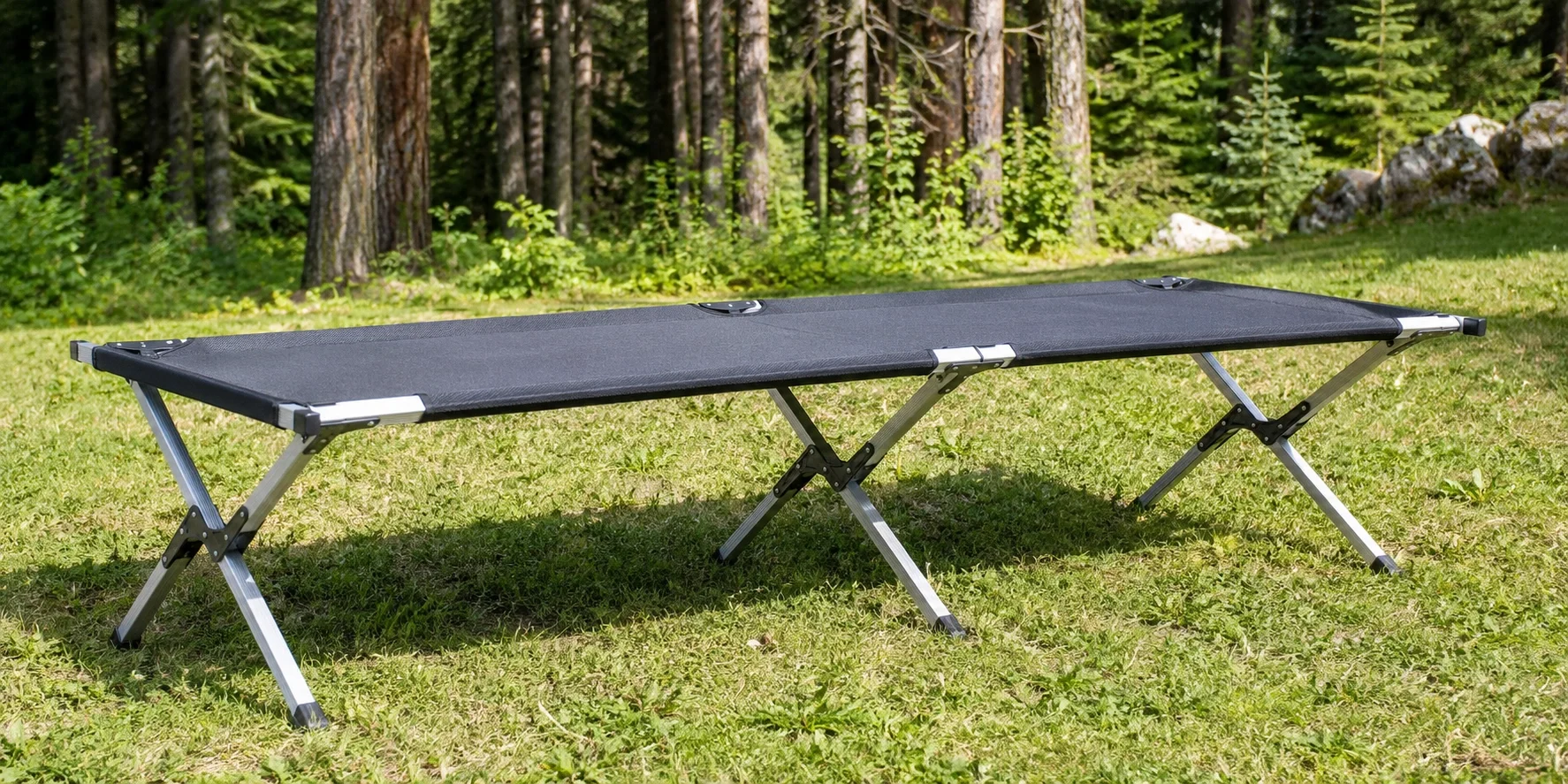
Standard Folding Cot
budget-friendlyThe most common type. Features an X-leg or square frame that folds flat. Easy to set up, reasonably lightweight (6–10 lbs), and widely available. Best for car camping and short trips where weight is not a concern.

Heavy-Duty Cot
mid-rangeBuilt with reinforced steel frames and double-stitched fabric. Weight capacities reach 400–500+ pounds. Heavier to carry (12–20 lbs) but incredibly sturdy. Ideal for larger campers or long-term base camps.

Ultralight Backpacking Cot
premiumUses shock-corded aluminum or carbon fiber poles instead of rigid frames. Weighs just 2–5 lbs and packs down small. Lower weight capacity (200–275 lbs). Perfect for backpackers who prioritize comfort.

Cot with Integrated Mattress
mid-rangeCombines a cot frame with a built-in foam or padded mattress. Offers the most bed-like feel without adding separate padding. Slightly bulkier to pack but eliminates the need to buy a separate pad.

Double / Wide Cot
mid-rangeExtra-wide design (40–54 inches) that accommodates two people or one person who prefers sprawling space. Great for romantic camping trips or couples who want to sleep close without two separate cots.
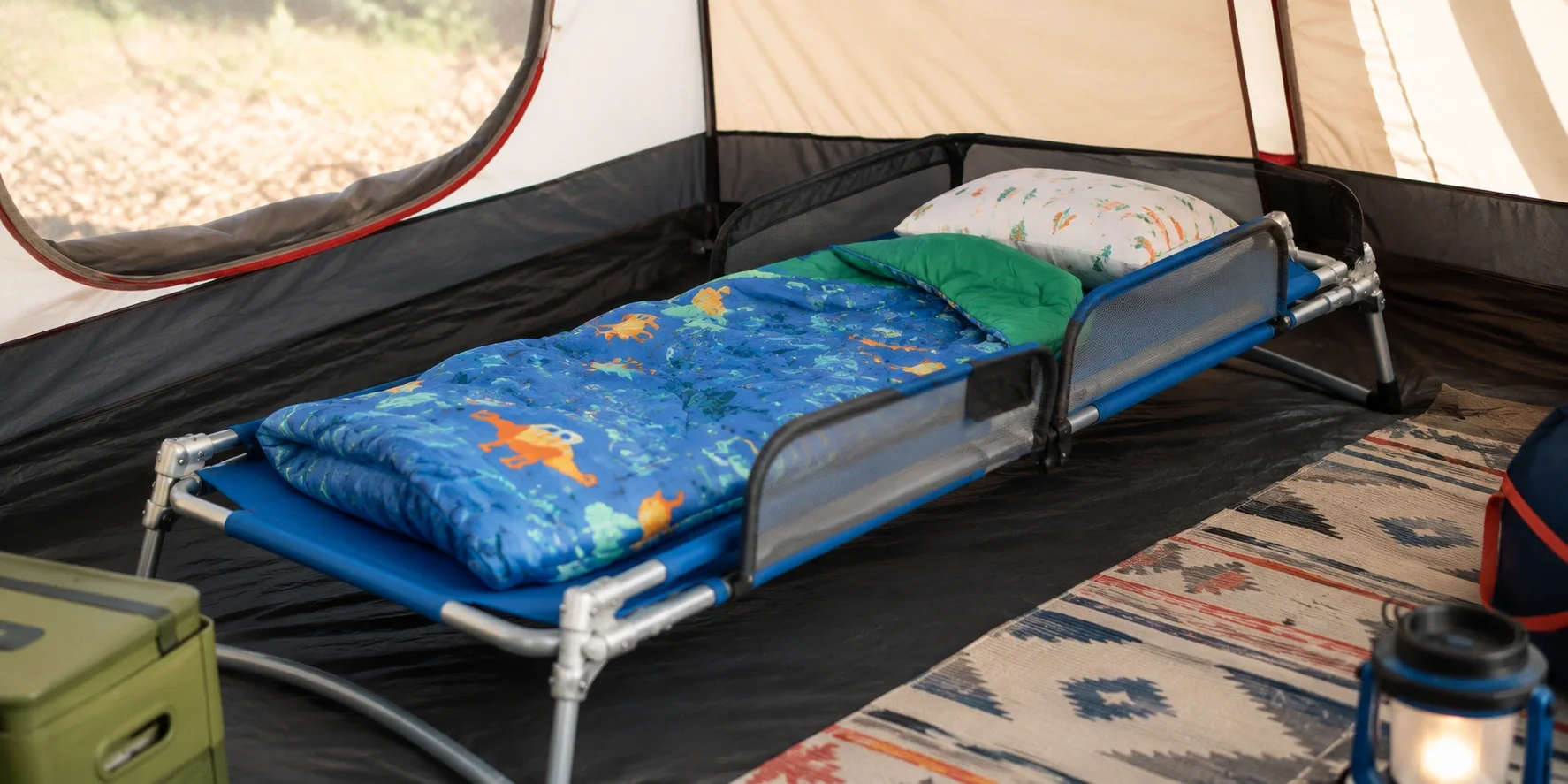
Kids / Youth Cot
budget-friendlySmaller dimensions (48–60 inches long) with lower weight limits (150–200 lbs). Often includes side rails for safety. An excellent addition to your family camping checklist for children who have outgrown sleeping on pads.

Key Features to Consider Before Buying
Walking into a store or browsing online without knowing what to look for can lead to a disappointing purchase. The following features are the ones that actually matter when comparing camping cots:
| Feature | Why It Matters | What to Look For |
|---|---|---|
| Weight Capacity | Exceeding the limit risks frame failure and injury. Always add a 15–20% safety margin above your body weight plus gear stored on the cot. | Standard: 250–300 lbs. Heavy-duty: 400–500+ lbs. Check if the rating includes dynamic weight (sitting down forcefully). |
| Dimensions | A cot that is too short leaves your feet hanging off; too wide will not fit inside your tent. Height off the ground affects ease of entry. | Length: 75–80 inches for most adults (tall models: 84+ inches). Width: 25–30 inches standard. Height: 15–22 inches typical. |
| Packed Size | Determines how easily it fits in your vehicle or rucksack. Bulkier cots can dominate trunk space. | Standard cots: ~40×6×6 inches. Ultralight: ~16×4×4 inches. Check folded length against your car trunk or storage bag. |
| Weight | Critical for backpackers, less important for car campers. Heavier cots are generally more sturdy. | Ultralight: 2–5 lbs. Standard: 6–12 lbs. Heavy-duty: 12–22 lbs. |
| Frame Material | Affects durability, weight, and corrosion resistance. Steel is strongest but heaviest; aluminum balances weight and strength. | Steel: strongest, heaviest, may rust. Aluminum: good strength-to-weight ratio, rust-resistant. Carbon fiber: lightest, most expensive. |
| Fabric Material | The deck bears all your weight. Weak fabric sags, tears, or stretches over time. | 600D polyester: durable, common. 900D or Oxford cloth: extra heavy-duty. Look for double-stitched seams and reinforced corners. |
| Setup Mechanism | Complicated setups become frustrating after a long day of hiking. You want something intuitive. | Unfold-and-lock: fastest (5–10 seconds). Pole-assembly: lighter but takes 2–5 minutes. Avoid models that require tools. |
| End Bars | Horizontal bars at the head and foot end can cause discomfort if they press into your shoulders or heels. | Look for cots with padded end bars, angled designs, or no horizontal bars at the sleeping surface level. |
| Weight Distribution | Some cots concentrate weight on a narrow center strip, causing a "hammock effect" that can be uncomfortable for side sleepers. | Models with cross-rails or multiple support points distribute weight more evenly across the entire fabric surface. |
How to Choose the Right Camping Cot for Your Needs
The best camping cot is not the most expensive one — it is the one that matches how you actually camp. Here is a breakdown by camping style and user profile:
By Camping Style
Car Camping: Weight and packed size are secondary concerns. Prioritize comfort, sturdiness, and ease of setup. A standard or heavy-duty cot is ideal. Add a foam pad on top for maximum comfort. Consult your car camping checklist to ensure the cot fits alongside your other gear.
Backpacking: Every ounce matters. Look for ultralight pole-style cots under 5 lbs that pack into a stuff sack. Be prepared to invest in the premium tier for quality lightweight options. Verify it fits inside your tent before committing.
RV Camping: Space inside an RV is at a premium. Measure your available floor area and ceiling height carefully. Low-profile cots that sit 12–15 inches off the ground work best for RV bunks or slide-out areas.
Family Camping: Consider a mix of adult and kids' cots. Double cots can save space for couples. Kids' cots with side rails add safety. Review the family camping checklist to coordinate sleeping arrangements for the whole group.
Winter Camping: Cold air circulating beneath the cot is a real problem. You will need a closed-cell foam pad or reflective blanket on top of the cot fabric to prevent heat loss from below. Pair with a quality winter sleeping bag for full insulation.

By User Profile
Heavy campers (250+ lbs): Do not compromise on weight capacity. Look specifically for heavy-duty models rated 400+ pounds with steel frames and reinforced fabric. Read user reviews from similar-weight campers to confirm real-world performance.
Tall campers (6'2"+): Standard 75-inch cots will be too short. Seek extended-length models at 80–84 inches. Some brands offer XL versions that add 5–9 inches of length without significantly increasing packed size.
Side sleepers: The "hammock effect" is your enemy. Choose cots with multiple cross-supports or a tension-adjustable fabric deck that prevents excessive sagging in the middle. End bar design is also critical — avoid cots with prominent bars at shoulder height.
Older adults or those with mobility issues: Prioritize height (18–22 inches off the ground) for easiest entry and exit. Avoid low-profile or ultra-low cots. A sturdy frame with non-slip feet is essential for safety.
Camping Cot vs Alternatives: Which Sleep System Is Right for You?
If you are still deciding between a cot and other sleep options, this comparison breaks down the key differences:
Camping Cot
Sleeping Pad
Camping Bed (Air Mattress Frame)
Camping Hammock
The bottom line: if you camp primarily from a vehicle and value a good night's sleep, a camping cot is the most practical upgrade. If weight is your top priority, stick with a sleeping pad. For the softest feel and you do not mind carrying bulk, consider a camping bed. If you camp in wooded areas and want an ultra-light option, a hammock is tough to beat.
How to Set Up and Maintain Your Camping Cot
Proper setup extends the life of your cot and prevents annoying mid-night collapses. Follow these steps for reliable performance trip after trip:

-
Unfold the frame fully. Lay the cot flat and extend all four legs completely. Do not partially unfold — the frame must be at its full open position before you apply any weight. Partial unfolding is the number one cause of frame failure.
-
Engage all locking mechanisms. Most folding cots have locking levers, pins, or crossbars that click into place. Double-check every lock point. If any lock is not fully seated, the cot can collapse under weight.
-
Tighten the fabric if adjustable. Some premium cots allow you to adjust fabric tension using buckles or straps. A taut (but not over-tightened) fabric surface provides the best support and prevents sagging.
-
Place on level ground. Even though cots have legs, setting up on a steep slope can cause the cot to slide or tip. Clear away rocks, sticks, and debris from under the cot area. Use the camping tarp underneath your tent as a moisture barrier.
-
Add your comfort layer. Place a foam pad, self-inflating mat, or thin mattress on top of the fabric. This improves comfort, provides insulation from below, and protects the cot fabric from body oils and wear.
-
Test before sleeping. Sit on the cot gently, then gradually apply full weight. Listen for any creaking or popping sounds. If something sounds wrong, get off and recheck the frame and locks.
Maintenance Tips to Extend Cot Lifespan
Wipe down the frame with a dry cloth after each trip to remove dirt and moisture that could cause rust on steel components. If your cot gets wet, dry it completely before storing — never pack away a damp cot. Inspect the fabric for fraying, tears, or loose stitching after every few trips. Store the cot in its carry bag in a cool, dry place. Avoid leaving it set up in direct sunlight for extended periods, as UV exposure degrades polyester and nylon over time.
Essential Accessories for Your Camping Cot
A bare cot works, but the right accessories transform it from "acceptable" to "I slept better than at home." Here are the add-ons worth considering:
Cot-Sized Foam Pad
Adds 1–2 inches of cushioning and provides critical insulation from below. Closed-cell foam is the most durable option.
budget-friendlySelf-Inflating Pad
Combines open-cell foam with air for superior comfort. Trim to fit your cot dimensions for a clean setup.
budget-friendly to mid-rangeCamping Blanket
Layer over your sleeping bag for extra warmth, or use alone on mild nights. Fleece and quilted options are popular.
budget-friendly to mid-rangeCamping Pillow
Compact, packable pillows designed for outdoor use. Inflatable, foam, and hybrid options available.
budget-friendlyCot-Side Organizer
Hangs over the cot frame to hold phone, flashlight, water bottle, and other small items within arm's reach.
budget-friendlyCot Storage Bag
Durable carry bag that protects the cot during transport and storage. Some cots include one; aftermarket bags are often more robust.
budget-friendlyReflective Emergency Blanket
Place under the cot fabric to reflect body heat upward. Costs almost nothing and makes a noticeable difference in cold weather.
budget-friendlyCot Leg Covers / Caps
Rubber or plastic caps that fit over cot feet to prevent scratching tent floors and improve stability on hard surfaces.
budget-friendlyPro Tips for Maximum Cot Comfort
- Place a camping blanket folded under your sleeping bag's torso area for targeted cushioning where you need it most.
- If your cot has uncomfortable end bars, slide a rolled-up towel or clothing item over them before adding your pad.
- In cold weather, stuff a jacket or extra clothing into the gap between the cot fabric and the ground to block cold air drafts.
- Use a tarp under your tent to prevent ground moisture from rising and affecting the cot's metal components.
- For car camping, bring a fitted sheet that matches your cot dimensions — it feels surprisingly like a real bed.
- Test your cot at home for at least one night before a trip to identify comfort issues while you can still return or exchange it.

Frequently Asked Questions About Camping Cots
Ready to Upgrade Your Sleep System?
A quality camping cot is one of the smartest investments you can make in outdoor comfort. It pays for itself in better sleep, happier mornings, and more enjoyable trips. Browse our recommended picks below to find the perfect cot for your next adventure.
See Recommended Camping Cots


