Flash Flood Safety: Complete Guide for Campers & Outdoor Enthusiasts
Learn to identify warning signs, choose safe campsites, and execute emergency plans. Your life-saving resource for outdoor flash flood preparedness.
VIEW EMERGENCY CHECKLIST →⚠️ Critical Information: Flash floods are the #1 weather-related killer in outdoor recreation. Unlike regular floods, flash floods can occur within minutes or hours of heavy rainfall, even if you're not in a rainy area. This guide provides essential knowledge to protect yourself and your camping group.
What is a Flash Flood & Why It's Dangerous for Campers
A flash flood is sudden, rapid flooding that occurs within 6 hours of heavy rain, dam break, or ice jam. For campers, the danger is extreme because flash floods can turn dry creek beds into raging rivers in minutes. Water levels can rise 10-20 feet in less than an hour, sweeping away tents, vehicles, and people with incredible force. Even just 6 inches of moving water can knock an adult off their feet, and 12 inches can float most vehicles.
When planning your camping gear checklist, understanding weather risks should be as important as packing your tent or stove. Many tragic accidents happen because campers don't recognize the danger signs until it's too late.
Critical Flash Flood Warning Signs
Recognizing early warning signs is your best defense. Never ignore these indicators when camping near rivers, streams, canyons, or dry washes.
🌊 Sudden Water Level Change
Water becomes muddy or rises rapidly. A clear stream turning brown means sediment is being carried from upstream rain.
🔊 Roaring Sound Upstream
A rushing, rumbling, or roaring sound coming from upstream – like a freight train. This is water and debris moving toward you.
☔ Distant Thunderstorms
You see heavy rain or hear thunder in the distance, even if your campsite is dry. Rain miles away can cause flooding in your area.
📉 Rapidly Falling Water Level
Sudden decrease in water flow can indicate a blockage upstream that may release suddenly.
🌧️ Prolonged Heavy Rain
Sustained intense rainfall for more than 30 minutes, especially in areas with recent wildfires or dry soil that doesn't absorb water well.
🚨 THE GOLDEN RULE: When camping near any water source – even a dry creek bed – if you hear thunder or see lightning, move to higher ground immediately. Do not wait for official warnings. Your safety depends on proactive action.
How to Choose a Flood-Safe Campsite
Where you set up camp is the most important decision for flash flood safety. Before pitching your camping tent, evaluate the terrain carefully.
- 1 Check elevation: Camp at least 200 feet away from any water source and 50 feet above the water level. Look for natural high ground.
- 2 Inspect the ground: Avoid areas with debris lines (leaves, sticks, logs caught in trees) – these mark previous flood heights.
- 3 Identify escape routes: Before setting up, locate at least two paths to higher ground that don't require crossing water.
- 4 Avoid narrow canyons: Slot canyons, narrow valleys, and dry washes are extremely dangerous – water concentrates and gains force.
- 5 Research your area: Check if your campsite is in a flood zone or has historical flash flood activity.
Even a seemingly safe spot can become dangerous. Always check weather forecasts and river gauges before your trip. For RV camping, choose locations with solid ground that won't erode, and always park your vehicle with an escape direction in mind.
📋 FLASH FLOOD EMERGENCY ACTION PLAN
If you receive a warning or see signs of flooding, follow these steps immediately:
- Abandon everything – Do not try to save gear. Your life is more valuable than any equipment.
- Move to high ground – Climb the nearest elevated area. Never try to outrun floodwater horizontally.
- Stay out of water – Do not attempt to cross flowing water, even if it looks shallow. Six inches can knock you down.
- Climb if necessary – If trapped, climb a tree or rock formation. Wait for rescue or water to recede.
- Call for help – Use emergency communication devices like satellite messengers or PLBs if you have service.
⚠️ Never drive or walk through floodwaters – "Turn Around, Don't Drown" saves lives.
Essential Safety Gear for Flash Flood Preparedness
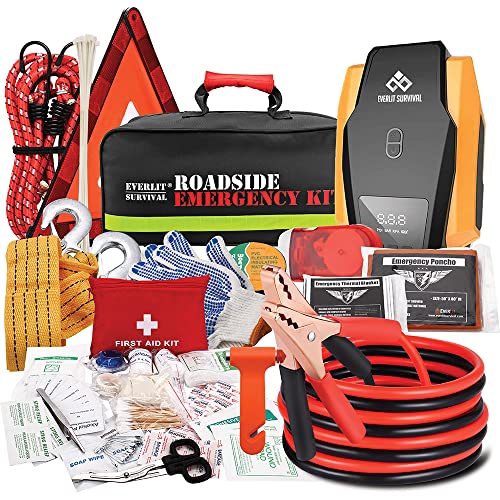
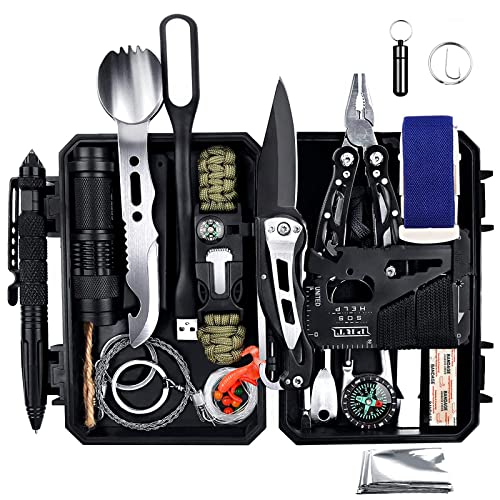
Having the right equipment can make a life-saving difference. Include these items in your camping checklists when camping in flood-prone areas.
| Gear Category | Recommended Items | Estimated Price |
|---|---|---|
| Communication | Satellite messenger (Garmin inReach, Zoleo), NOAA weather radio with hand crank | $200–$450 |
| Navigation | Waterproof topographic map, compass, GPS device with offline maps | $30–$300 |
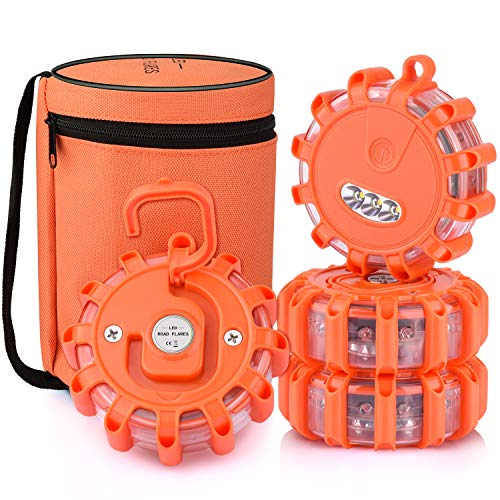
| Lighting | Waterproof headlamp with extra batteries, glow sticks | $25–$80 |
| Personal Safety | Personal flotation device (PFD) for water crossings, throw rope (50ft+) | $40–$150 |
| Emergency Kit | Waterproof dry bags for documents & phone, whistle, signal mirror, emergency blanket | $35–$100 |
| Apparel | Quick-dry clothing, waterproof jacket, sturdy water shoes | $50–$200 |
🏕️ Pro Tip: Pack a dedicated "grab bag" with these essentials near your tent's exit. When seconds count, you shouldn't be searching for your headlamp or whistle. Also, program emergency numbers and download offline maps before your trip.
Monitoring Weather & Flood Warnings
Proactive monitoring is your first line of defense. Before and during your camping trip, use these methods to stay informed.
- Check NOAA forecasts – Look for Flash Flood Watches (conditions favorable) and Warnings (flooding imminent or occurring).
- Use weather apps – Reliable apps like Weather.gov, RadarScope, or MyRadar provide real-time radar and alerts.
- Know local watersheds – Understand that rain in upstream mountains can flood your campsite miles away. Check river gauge websites like USGS WaterWatch.
- Listen for natural alarms – Many state and national parks have siren systems or automated alerts. Ask rangers about local warning systems.
When family camping with children, assign a responsible adult to monitor weather overnight. Flash floods are most common between noon and midnight, but can happen anytime.
After the Flood: Safety & Next Steps
Once floodwaters recede or you've reached safety, follow these guidelines:
- Do not return until declared safe – Wait for official clearance from park authorities or emergency services.
- Watch for secondary hazards – Flooded areas may contain downed power lines, contaminated water, unstable ground, or displaced wildlife.
- Check for injuries – Administer camping first aid kit care for cuts, hypothermia, or other injuries.
- Report to authorities – Notify park rangers or local emergency services about your situation and location.
- Document for insurance – If gear is lost or damaged, take photos for potential reimbursement claims.
Related Outdoor Safety Guides
Expand your safety knowledge with these complementary resources:
Frequently Asked Questions About Flash Flood Safety
Can a flash flood happen if it's not raining at my campsite?
Yes – this is the most dangerous scenario. Heavy rain 10-20 miles upstream can send a wall of water down canyons and dry washes while your campsite remains sunny. Always check upstream weather conditions.
How fast does flash flood water move?
Flash flood waters can reach speeds of 9-12 feet per second (6-8 mph) in narrow canyons. At this speed, water has the force of a moving freight train, capable of rolling boulders and sweeping away vehicles.
Is it safe to camp in a dry wash if the forecast is clear?
No. Dry washes (arroyos) are ancient flood paths. Even with a clear local forecast, a thunderstorm miles away can cause sudden flooding. Never camp in any drainage channel or dry creek bed.
Should I evacuate if I hear a flash flood warning?
Immediately. Do not wait to pack gear or confirm the threat. Flash flood warnings mean flooding is imminent or already happening. Move to higher ground without delay.
What's the difference between a Flash Flood Watch and Warning?
Watch = Conditions are favorable for flash flooding. Stay alert and prepare to act. Warning = Flash flooding is occurring or imminent. Take action immediately – move to high ground.