Mosquito Protection Camping: Stay Bite‑Free Outdoors
From high‑performance repellents to spatial devices and campsite strategies — gain total control over mosquitoes so you can enjoy nature without itching or worry.
Nothing disrupts a peaceful night under the stars like the relentless buzz of mosquitoes. Beyond discomfort, mosquitoes carry diseases such as West Nile virus and Zika. Effective mosquito protection is non‑negotiable for any camping trip — especially in warm, humid environments or near standing water. This guide synthesizes expert recommendations, product insights, and proven field strategies. Whether you’re a beginner camper or a seasoned backpacker, you’ll find actionable advice to build your mosquito defense system.
1. Why Mosquito Protection Matters for Campers
Mosquito activity peaks at dawn and dusk, but some species bite all day. In wooded campsites, marshes, or areas with minimal breeze, mosquito density can become unbearable. Beyond the itch, allergic reactions and vector-borne diseases are real concerns. Building a layered protection strategy — personal repellents, spatial repellents, physical barriers, and campsite management — is the gold standard.
If you’re planning a trip during summer, you may also want to review our Summer Camping Checklist to align your gear with insect pressure. For more pest-related safety, learn about snake & wildlife safety to stay fully prepared.
2. Topical Insect Repellents: DEET, Picaridin, and Natural Oils
Your first line of defense is applying an EPA‑registered repellent to exposed skin. The most effective active ingredients are DEET (20–30%) and Picaridin (20%), both providing 8–12 hours of protection. For those seeking plant‑based options, oil of lemon eucalyptus (OLE) offers comparable duration but may require reapplication. Avoid permethrin on skin — it’s designed for clothing and gear.
Our recommended repellent formats:
DEET Lotion / Pump Spray
Long-lasting, effective against mosquitoes & ticks. Best for high-risk areas.
Picaridin 20% Lotion
Odorless, non-greasy, won’t damage plastics or gear. Ideal for family camping.
Oil of Lemon Eucalyptus (OLE)
Plant‑derived, CDC‑recommended. Repels mosquitoes up to 6 hours.
For longer trips, pack both a pump spray for skin and permethrin-treated clothing — you can treat your own hiking pants, socks, and shirts. Many experienced campers also rely on a compact camping backpack organizer to carry repellents for quick access.
3. Spatial Repellents: Thermacell & Mosquito Coils
For creating a mosquito‑free zone around your tent or camp kitchen, spatial repellents are game‑changers. Thermacell devices heat a repellent mat containing allethrin (synthetic version of a natural chrysanthemum compound), creating a 15‑foot protection zone. They are highly effective, scent‑free to humans, and require no open flame (except butane cartridge models). Mosquito coils and citronella candles offer lower efficacy but can supplement.
Pairing a Thermacell with a proper camping lantern that includes a built‑in repellent feature can reduce clutter. And if you’re car camping, bring multiple devices to cover cooking and sleeping areas.
4. Physical Barriers: Netting, Screened Tents, and Clothing
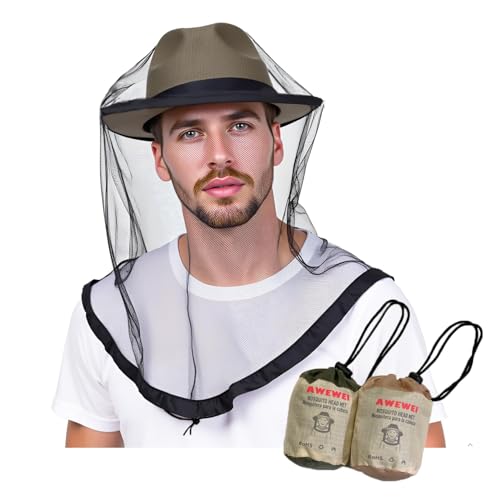
When mosquitoes are extremely aggressive, nothing beats a physical barrier. A pop‑up mosquito net canopy or a backpacking tent with full mesh walls creates a sanctuary. Also consider wearing a head net and treating a camping blanket or lightweight jacket with permethrin. For sleeping, ensure your tent’s mesh has no holes — repair patches are essential.
To elevate comfort, use a camping cot and raise yourself off the ground to reduce proximity to moisture and insects. Additionally, a fan directed at your upper body can disperse carbon dioxide and deter mosquitoes (they’re weak fliers).
- Head nets – ultralight, under $10, vital for hiking in swarms.
- Screened shelter / dining canopy – transforms meal time, $60–$150.
- Mosquito net for hammocks – integrated or standalone, $20–$50.
Check your camping gear inventory: a tent with “no‑see‑um” mesh is superior for tiny biting insects.
5. Campsite Strategies to Repel Mosquitoes Naturally
Environmental control dramatically reduces mosquito presence. Choose a campsite that is:
- Elevated and windy: Ridges or open fields have more airflow.
- Away from standing water: Ponds, marshes, and even damp depressions breed mosquitoes.
- Cleared of dense undergrowth: Adult mosquitoes rest in tall grass and bushes.
Use dry sage, rosemary, or lavender on the campfire — the smoke masks attractants. Also, avoid wearing perfumes or scented lotions. When you’re packing meals, use resealable containers and clean up crumbs; food odors can attract insects and even larger wildlife. For further campsite safety, understand how to store food from bears while also reducing mosquito interest.
If you camp in the southeast US, consider timing your trip after the first hard frost or during dry periods. For detailed regional advice, see our best time to camp guide.
6. Treating Mosquito Bites While Camping
Even with best efforts, bites can happen. Pack a small first aid kit with antihistamine cream, hydrocortisone, and calamine lotion. For natural relief, apply a paste of baking soda and water, aloe vera, or cooled chamomile tea bags. Avoid scratching — breaking skin leads to infection. Your camping first aid kit should also include oral antihistamines like Benadryl for allergic reactions.
Additionally, cold compresses reduce swelling. A portable camping cooler keeps ice packs ready. Stay vigilant if you develop flu‑like symptoms after returning from a mosquito‑dense area — consult a physician.
7. Packing Checklist: Mosquito Protection Essentials
Building on our car camping checklist, add these mosquito‑specific items:
- 30% DEET or 20% Picaridin spray/lotion.
- Permethrin spray for treating clothes & tents (apply at home).
- Thermacell device with 12+ hour fuel/refill mats.
- Mosquito head net (2 per person).
- Lightweight, long-sleeve shirts & pants (tight weave).
- Portable fan (USB rechargeable) to create air movement.
- After‑bite stick or hydrocortisone cream.
Organize these items in a dedicated “bug kit” inside your camping bag. Check expiration dates on repellents before departure.
8. Technology Comparison: Which Method Suits Your Trip?
⚠️ Most effective strategy = combine treated clothing + topical repellent + spatial device for high mosquito seasons.