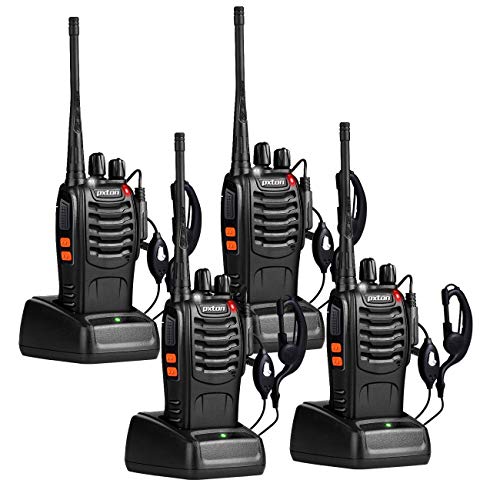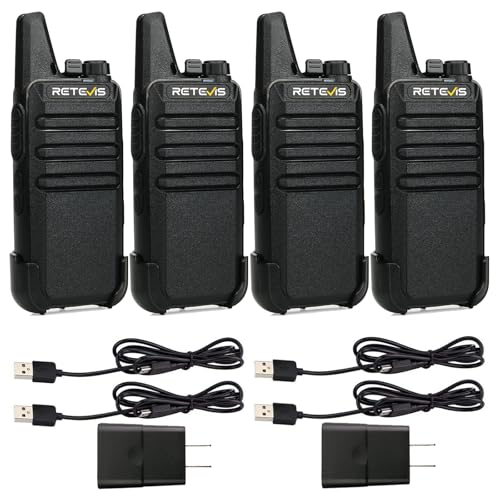
Two Way Radios for Camping: Stay Connected in the Wild
Discover the ultimate communication tool for outdoor adventures: reliable, long-range, and rugged two-way radios. Compare features, range, battery life, and find the perfect walkie-talkie for your group camping trips.
Shop Top Radios →Why Two-Way Radios Matter: When you’re deep in the backcountry, cell service often disappears. Two-way radios (walkie-talkies) provide instant, reliable communication between campers, hikers, and families — no towers, no roaming fees, just push-to-talk clarity. From coordinating meal prep to emergency alerts, these devices are a camping essential.
Why Choose Two-Way Radios for Camping?
Unlike smartphones that rely on cellular networks, two-way radios operate on dedicated radio frequencies, making them ideal for car camping, backcountry camping, or RV camping. They offer instant group communication without dialing or waiting for connections. Modern camping radios feature impressive range (up to 35 miles in open areas), weather alerts, and rugged waterproof designs.
Whether you're leading a family camping trip or coordinating with fellow hikers during a solo camping meetup, a solid two-way radio keeps everyone safe and connected. Many models include NOAA weather bands, so you stay informed about storms or flash floods — critical for camping safety.
📡 Range & Terrain
Radios advertise "up to 35 miles" but real-world range varies: 1-2 miles in dense forests, 5-10 miles over lakes or valleys, and 15+ miles on mountain peaks. For mountain camping, choose high-power FRS/GMRS radios (2-5 watts).
🔋 Battery Life
Look for rechargeable Li-ion batteries (1200–2500 mAh) that last 12–24 hours of typical use. Some models accept AA batteries as backup — essential for winter camping when power options are limited.
💧 Durability & Weatherproofing
IP67 or IPX7 ratings ensure resistance to rain, mud, and accidental drops. Rugged radios survive dust and shock, ideal for primitive camping or beach camping in harsh environments.
📻 Privacy Codes & Channels
Most camping radios have 22 GMRS/FRS channels and 121 privacy codes (CTCSS/DCS) to block chatter from other groups. Perfect for crowded campgrounds or festivals.
Top Two-Way Radio Models Compared
| Model | Max Range (miles) | Battery Type | Waterproof Rating | Price Range |
|---|---|---|---|---|
| Motorola T470 | 35 (ideal) | Rechargeable + AA backup | IP67 (submersible) | $80–$110 |
| Midland GXT1000VP4 | 36 (GMRS) | Rechargeable + AA | Water-resistant | $70–$100 |
| Rocky Talkie 5W | 35+ (open terrain) | 2600 mAh Li-ion | IP67 | $130–$160 |
| Cobra ACXT1035R | 37 (GMRS) | Rechargeable | IP54 splash-proof | $90–$120 |
How to Choose the Best Walkie Talkies for Your Adventures
Selecting the right two-way radio depends on your camping style. For car camping near established campgrounds, basic FRS radios with 2-3 mile range suffice. But for backpacking trips or dispersed camping, invest in GMRS models (requires a simple FCC license, no exam) for higher wattage and longer reach. Always check battery compatibility: rechargeable packs are convenient, but having a AA battery case is a lifesaver during multi-day excursions.
Another critical factor: NOAA weather alerts — many camping radios double as emergency weather scanners. When you’re at Rocky Mountain National Park or Joshua Tree, sudden weather shifts can be dangerous; a radio with automatic alert functionality keeps your group safe. Also prioritize radios with VOX (voice-activated transmission) if you need hands-free use while setting up camping tents or preparing meals at the camping kitchen.
For best performance during winter camping or in dense woods, hold the radio vertically and avoid obstructions like heavy tree canopies or rock walls. Use higher ground (hilltops) when transmitting critical messages. Always bring extra rechargeable power banks or solar chargers — check our camping power banks guide for recommendations.
Advanced Features for Serious Campers
Modern two-way radios include features like group calling, scanning functions, and even GPS location sharing (on premium models). When camping with kids or pets, use camping with kids checklist to assign each child a radio — teach them how to call for help or check-in at sunset. Radios with vibrating alerts allow silent notifications, great for early mornings when others are still sleeping in their camping hammock or camping cots.
Additionally, many rugged radios now integrate with smart camping gear ecosystems via Bluetooth, letting you adjust settings from a smartphone app. But even basic models remain the most dependable communication method when camping communication devices are critical for emergencies. Always pair your radio setup with a camping first aid kit and an emergency beacon for remote areas.
Radio Etiquette & Rules for Campgrounds
Using two-way radios responsibly enhances everyone's outdoor experience. Keep conversations brief and avoid excessive chatter during quiet hours (usually 10 PM to 6 AM at most campgrounds). When in national parks like Yosemite Camping or state parks, always follow state park rules regarding radio use. GMRS radios require an FCC license (covers your whole family, costs $35, valid 10 years), while FRS radios do not. For backcountry BLM camping, radios are a huge asset but never rely solely on electronics — carry physical maps and a compass.
Finally, always practice Leave No Trace principles: keep the volume low so you don’t disturb wildlife or fellow campers. If you’re in a group camping scenario, assign one channel for general coordination and another for emergency calls.
Your Next Step: Equip your camping crew with reliable two-way radios and transform how you communicate outdoors. From coordinating firewood collection to managing a missing hiker situation, a good walkie-talkie provides peace of mind. Below you’ll find our hand-picked selection of top-rated camping radios — each thoroughly evaluated for range, battery life, and durability. Click any product to check the latest price and read real user reviews.