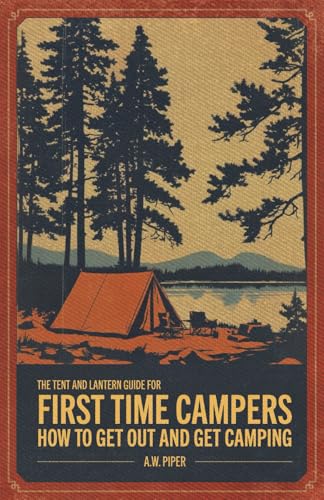
First Time Camping Tips: Essential Advice for Beginners
Plan your first camping trip with confidence: gear checklists, campsite selection, safety essentials, and expert hacks for a memorable outdoor experience.
Jump to Gear Guide →Stepping into the outdoors for your first camping trip is exciting — but without the right knowledge, it can also feel overwhelming. Whether you’re planning a weekend at a state park or a simple car camping adventure, these first time camping tips will help you avoid rookie mistakes, stay comfortable, and truly enjoy nature. Below you’ll find everything from choosing the right camping gear to campsite setup, safety, and cooking hacks — all tailored for beginners.
1. Start With The Right Gear (Without Overspending)
One of the biggest fears for first-timers is buying expensive equipment that ends up unused. The truth: you don't need ultralight titanium gear to have a great time. Focus on the core four: shelter, sleep system, cooking basics, and safety items. A quality camping tent that fits your group, a comfortable sleeping pad, and a reliable camping stove can transform your experience. For a solo or duo trip, expect to budget around $80–$150 for a 2-person tent, $60–$120 for a sleeping bag rated to 30–40°F, and $40–$80 for a simple camp stove.
Check out detailed recommendations in our complete camping gear hub and the first time camping checklist to ensure you pack everything without overpacking. Also, many essentials like a camping chair, camping cooler, and headlamp can be borrowed or bought second-hand for your first trip.
2. Mastering The Campsite Selection
Where you camp determines 50% of your comfort. For beginners, choose established campgrounds with amenities like picnic tables, fire rings, and potable water. National and state parks often offer family-friendly loops with ranger stations. Look for level ground, natural wind protection (trees or hills), and avoid low spots where water pools if it rains. State park camping or car camping spots are ideal to start — you can always upgrade to backcountry later. Read reviews on platforms like The Dyrt and check for seasonal fire bans before booking.
Don’t forget to verify campfire regulations and reservation requirements. Many popular spots require booking weeks in advance. Our guide Do I Need a Reservation helps you navigate peak season planning.
3. Tent Setup & Sleeping Comfort Like a Pro
Nothing ruins a camping trip like a collapsed tent at 2 AM. Practice pitching your tent at home: lay out the footprint/tarp, assemble poles, and stake it down properly. Once at the campsite, clear the area from sharp rocks and sticks. For improved comfort, invest in a sleeping pad with an R-value of at least 2–3 for three-season use. A camping mat or air mattress adds critical insulation and softness. And a camping pillow makes a world of difference. For colder nights, layer a blanket over your sleeping bag or bring a camping blanket.
Still unsure about tent sizing? Our how to choose tent size guide explains why a “4-person” tent usually fits 2–3 adults with gear. And if hammock camping tempts you, read our comparison tent vs hammock first.
4. Camp Cooking Essentials (Easy & Delicious)
First time campers often overcomplicate meals. Stick to simple, pre-prepped recipes: foil packet veggies and chicken, pasta with jarred sauce, or dehydrated backpacking meals. A two-burner propane stove or compact camping cooker paired with a lightweight camping cookware set works wonders. Don’t forget a spatula, bowl, and biodegradable soap. For perishable items, a camping cooler with block ice keeps food safe for 2–3 days.
Check our easy camping meals and kitchen supplies checklist for zero-stress cooking. And always store food in a locked vehicle or bear locker to keep wildlife away — read how to store food from bears even if bears are rare in your area.
5. Safety & First Aid: Be Prepared, Not Scared
Safe camping begins with prevention. Always inform someone about your itinerary. Carry a basic camping first aid kit with blister plasters, antiseptic wipes, tweezers, pain relievers, and any personal medication. Learn to recognize signs of heat exhaustion, hypothermia, and dehydration. For wilderness areas, a whistle and signal mirror can be lifesavers. Read our emergency preparedness guide to feel confident.
Additionally, understand campfire safety rules — never leave a fire unattended, keep water nearby, and fully extinguish it. If you’re bringing a dog, check camping with dogs rules and pack a leash, waste bags, and extra water. Solo camping? Our article Is Camping Alone Safe? provides practical precautions.
6. Plan for Weather & Layering System
Weather in the mountains or near lakes shifts fast. The key is layering: moisture-wicking base layer, insulating fleece or down jacket, and waterproof outer shell. Avoid cotton (it stays wet). Even in summer, nights can drop to 40°F (4°C). Check the forecast before leaving and pack a warm hat and gloves. We cover cold-weather prep in depth in winter camping gear and cold weather camping safety. For rain, a reliable rain jacket and extra tarp for the camp kitchen area save the day.
7. Leave No Trace: Preserve the Wild
As a first-time camper, practicing Leave No Trace principles ensures beautiful places stay open for everyone. Pack out all trash (including food scraps), respect wildlife, use established trails, and keep noise levels low. Many beginners are surprised that even apple cores or orange peels should be packed out — they attract animals and take months to decompose in some climates. Read the 7 LNT principles before you go — it’s a small effort for a huge impact.
8. Must-Have Checklists & Printables
Nothing beats a physical checklist. Download and print our printable camping checklist (PDF) to tick off items before loading the car. For specific trip types, we also offer car camping checklist, family camping checklist, and beginner camping checklist. These lists cover shelter, sleeping, cooking, lighting, hygiene, and safety — everything you need for a stress-free first trip.
9. Extra First-Time Hacks That Experienced Campers Swear By
- Do a "driveway test run" — sleep in your tent in the backyard for one night to test gear.
- Bring a small tool kit: Duct tape, multi-tool, extra tent stakes, and paracord solve many problems.
- Use a headlamp instead of a flashlight — it keeps your hands free for cooking or setting up in the dark.
- Pack a “comfort kit”: earplugs (for noisy campgrounds), sleep mask, camp shoes (sandals), and biodegradable wipes.
- Download offline maps & apps via best camping apps and offline maps apps — cell service is unreliable.
Remember: your first camping trip won’t be perfect — and that’s perfectly fine. Every seasoned camper has a story of a forgotten stove or a leaky air mattress. What matters is the laughter, the campfire stories, and the joy of unplugging. Use these first time camping tips as a foundation, adapt to your style, and soon you’ll be teaching new friends how to camp like a pro.
For more in-depth resources, explore our camping checklists and camping styles to discover the adventure that fits you best. Happy trails! 🏕️