Dome Tents for Camping: The Complete Buyer's Guide
Everything you need to know before choosing a dome tent — sizing, weather protection, setup ease, and expert recommendations for solo campers, families, and backpackers.
START YOUR RESEARCHWhy dome tents dominate the market: Their freestanding, geodesic-inspired structure delivers an unbeatable balance of stability, interior space, and portability. Whether you're a first-time camper or a seasoned backpacker, a dome tent is often the most versatile shelter you can own.
What Is a Dome Tent?
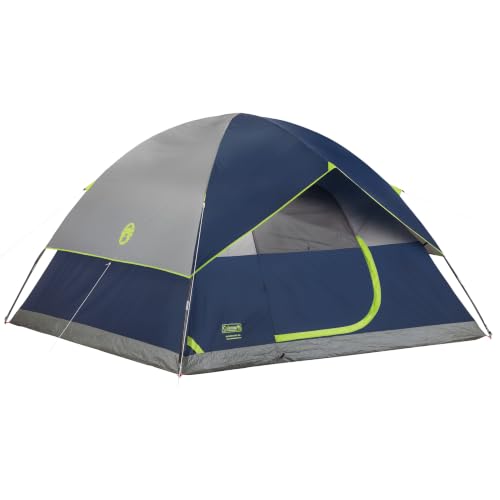
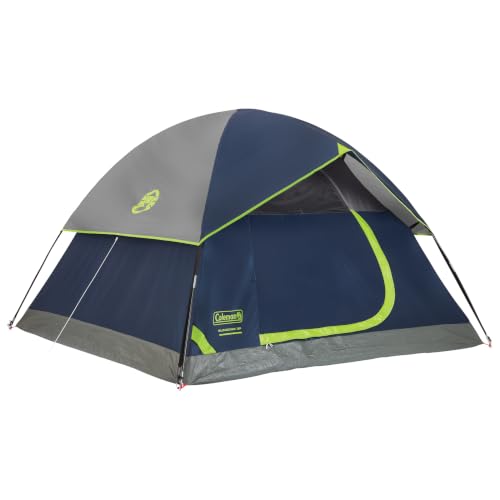
A dome tent is a camping shelter built around two or more flexible poles that cross at the top, creating a rounded, dome-like shape. The poles arch from corner to corner and are usually held in place by sleeves or clips. Because the poles form a self-supporting structure, most dome tents are freestanding — meaning you can pick them up and reposition them without staking them down first.
This design originated from geodesic dome architecture popularized in the mid-20th century and was quickly adopted by outdoor brands because it distributes wind pressure evenly across the entire canopy. That's why dome tents remain one of the most wind-resistant and reliable tent styles available today. If you're still weighing your options, our guide on tent vs hammock can help you decide which shelter type suits your camping style.
Types of Dome Tents
1. Standard Dome Tents
The classic two-pole or three-pole dome. These are lightweight, easy to pitch, and ideal for first-time campers and casual weekend trips. They typically sleep between one and four people and offer a single room.
2. Extended Dome Tents
These add a vestibule, porch, or extended rainfly to the classic dome shape. The extra coverage gives you room for gear storage, muddy boots, or a small cooking area. If you need more living space, compare them with big tents for camping or a 6-person dome tent with screen room.
3. Geodesic Dome Tents
These use three or more crossing poles to create a true geodesic structure. They are the most stable in high winds and snow loads, making them popular for winter camping and exposed alpine environments. Learn more about four-season options in our winter tents guide.
4. Instant / Pop-Up Dome Tents
Pre-assembled poles allow these tents to spring into shape in seconds. They're excellent for car camping and festivals. Browse our full selection of instant tents for camping or read about popup camping tents for a deeper comparison.
Key Features to Evaluate Before Buying
Sleeping Capacity and Interior Space
Tent capacity ratings assume you're sleeping shoulder-to-shoulder with no gear. A realistic rule of thumb: subtract one person from the stated capacity for comfortable camping. A "4-person" dome tent is ideal for two adults with gear, or three adults sleeping close. Families should look at tents for 5 people or larger. Our tent size guide breaks down capacity charts in detail.
Season Rating
3-season dome tents are the most common. They handle spring, summer, and fall conditions with mesh panels for ventilation and a rainfly for rain protection. 4-season dome tents use solid fabric walls, stronger poles, and fewer mesh panels to handle snow and high winds. If you camp in cold weather, explore our 4-season tent with stove jack options.
Waterproofing and Materials
Look for a hydrostatic head rating of at least 1,500mm on the rainfly and 2,000mm on the floor for reliable rain protection. Polyester and nylon are the two dominant fabrics — our article on whether nylon or polyester is better for tents explains the trade-offs. Taped seams and a full-coverage rainfly are non-negotiable for wet climates. For rainy trips, see camping in a tent in the rain and how to set up a tent in the rain.
Pole Material and Durability
Aluminum poles are lighter, stronger, and more expensive than fiberglass. Fiberglass is heavier but budget-friendly and fine for occasional car camping. If you're backpacking, aluminum is worth the upgrade. Pair quality poles with heavy-duty tent pegs for rocky or windy ground.
Weight and Packed Size
Backpacking dome tents typically weigh between 2 and 5 pounds packed. Car camping dome tents can weigh 10 pounds or more, which is fine since you're not carrying them far. If you need something ultra-portable, look at a 2-person compact portable pop-up tent or a bivy sack tent for solo trips.
Pros and Cons of Dome Tents
✅ Advantages
- Freestanding — no staking required in most conditions
- Excellent wind resistance due to curved shape
- Quick and intuitive setup
- Good interior headroom for their footprint
- Widely available in every capacity and tier
- Easy to find replacement parts
❌ Limitations
- Sloped walls reduce usable floor space vs. cabin tents
- Less standing height than cabin or wall tents
- Vestibule space is often minimal on basic models
- Geodesic models can be heavier and pricier
If standing height is a priority, compare dome tents with camping tents you can stand up in or a pop-up tent you can stand up in. For families needing multiple rooms, a big family tent with rooms and living room may be a better fit.
Dome Tent Comparison by Tier
The table below uses universal quality tiers instead of prices, so this guide stays accurate for years. Match the tier to your camping frequency and conditions.
| Tier | Best For | Typical Materials | Weather Resistance | Weight Range |
|---|---|---|---|---|
| Entry-Level | Occasional car camping, festivals | Fiberglass poles, basic polyester | Light rain | Heavier |
| Mid-Range | Weekend campers, small families | Aluminum poles, coated polyester | Moderate rain and wind | Moderate |
| Premium | Frequent campers, backpackers | Lightweight aluminum, ripstop nylon | Heavy rain, strong wind | Light |
| Luxury | Expedition, extreme conditions | High-tenacity fabrics, DAC poles | Severe weather, snow load | Ultralight |
Wondering whether the jump in tier is worth it? Our article on whether expensive tents are worth it covers long-term durability, warranty, and resale value.
Setting Up and Maintaining Your Dome Tent
Setup Tips
- Lay the footprint or tarp first to protect the floor from abrasion.
- Assemble poles on flat ground before threading them through sleeves.
- Stake the corners before inserting the poles to keep the tent from moving.
- Always deploy the rainfly, even on clear nights — condensation is real.
- For platform or concrete sites, see tents that can be set up on concrete and setting up a tent on a platform.
Maintenance and Longevity
Dry your tent completely before storing it. Moisture left in the fabric leads to mildew, which permanently damages the waterproof coating. Reapply seam sealer every couple of seasons. Store poles loosely coiled, not compressed, to preserve their elasticity. With proper care, a quality dome tent can last a decade or more — our guide on how long tents last explains the factors involved.
Best Uses for Dome Tents
Solo and backpacking: A 1- or 2-person dome tent is the gold standard for lightweight trips. Consider the easiest 1-person tent to set up or the easiest 2-person tent to set up.
Family camping: Look at 4- to 8-person models. The easiest 6-person tent to set up and 6-person dome tent with screen room are excellent starting points.
Beach and lake trips: Dome tents handle sand and wind well. See our beach camping guide and lake camping guide for site-specific tips.
Cold-weather camping: Only 4-season dome tents should be used in snow. Learn more in keeping a tent warm in cold weather and sleeping in a tent in cold weather.
Camping with pets: A dome tent with a durable floor and good ventilation works well for dogs. Read camping with a dog in a tent before you go.
Common Mistakes to Avoid
- Buying based on capacity alone. A "4-person" tent rarely fits four adults comfortably with gear.
- Skipping the footprint. A ground tarp dramatically extends floor life.
- Ignoring wind direction. Pitch the lowest side of the tent into the prevailing wind.
- Not sealing seams. Factory seams can leak after a season of use.
- Overlooking ventilation. Condensation ruins more trips than rain. Look for mesh panels and a vented rainfly.
- Forgetting a repair kit. A pole splint and patch kit can save a trip. See our camping equipment guide for essentials.
Frequently Asked Questions
Are dome tents good for all seasons?
Three-season dome tents handle spring, summer, and fall. For winter, you need a true 4-season dome tent with solid walls and reinforced poles. See our winter camping guide.
How many people can a dome tent really sleep?
Subtract one from the advertised capacity for comfortable sleeping with gear. A 4-person dome tent comfortably sleeps two to three adults with bags and packs.
Do dome tents need to be staked down?
Most are freestanding, so staking is optional in calm conditions. However, always stake your tent in wind or rain — an unsecured dome tent can become a parachute.
What's the difference between a dome tent and a cabin tent?
Dome tents have sloped walls and superior wind resistance. Cabin tents have vertical walls and more usable interior space but less stability in wind. Compare them in our stand-up tent guide.
Can I use a dome tent on a beach?
Yes — dome tents are excellent for beach camping because sand stakes and the freestanding design work well. Read setting up a tent on the beach for detailed tips.
How do I know which dome tent size to buy?
Start with your typical group size, then add one. Our tent size guide includes capacity charts and real-world recommendations.
Final Thoughts
A dome tent is the most versatile shelter for the majority of campers. It balances stability, weight, interior space, and ease of setup better than any other tent style. Choose a mid-range or premium model if you camp frequently; an entry-level dome tent is perfectly adequate for occasional trips. Whichever tier you choose, pair it with a footprint, a repair kit, and a solid understanding of campfire safety and Leave No Trace principles.