Satellite Phones for Camping: Stay Connected Beyond Civilization
When you venture deep into wilderness, cell service disappears. A satellite phone becomes your lifeline. This guide covers everything you need to know—networks, top models, pricing, and how to choose the best device for your backcountry adventures.
Why a Satellite Phone Belongs in Your Camping Kit
Camping in remote areas like Yosemite's backcountry, the Rocky Mountains, or Big Bend means zero cellular coverage. In an emergency—a broken leg, sudden weather shift, or wildfire—a satellite phone can save lives. Beyond emergencies, it allows you to check in with family, receive weather alerts, or coordinate supply drops. Unlike two-way radios (limited range) or other camping communication devices, satellite phones work anywhere on Earth with a clear sky view.
For serious outdoor enthusiasts, combining a satellite phone with robust camping gear and emergency preparedness ensures you're ready for worst-case scenarios. Many experienced campers also carry satellite messengers as a backup, but for voice calls and real-time conversation, nothing beats a dedicated satellite phone.
How Satellite Phones Work: Global Coverage Explained
Satellite phones connect directly to orbiting satellites instead of ground cell towers. The three major global networks are:
Iridium
66 low-earth orbit (LEO) satellites providing 100% global coverage (including poles). Best for true worldwide travel. Voice clarity is excellent, and devices work even in deep canyons with moderate sky view.
Inmarsat
3 geostationary satellites covering most of the world except polar regions. Requires unobstructed view toward the equator. Slightly lower call latency but cheaper hardware.
Thuraya
Covers Europe, Africa, Asia, Australia, and the Middle East. Not available in the Americas. Popular for travel in those regions; devices often support dual GSM/satellite modes.
Globalstar
Limited satellite phone service (more focused on SPOT messengers). Not recommended for critical voice communication due to spotty coverage.
For North American campers, Iridium is the gold standard. If you only camp in lower 48 states and avoid extreme north, Inmarsat can be cost-effective. Always check coverage maps before buying.
Satellite Phone vs. Messenger vs. PLB: What's the Difference?
Many campers confuse satellite phones with emergency beacons (PLBs) or GPS messengers. Here's a quick breakdown:
- Satellite Phone: Two-way voice calls, SMS, sometimes data. Best for real-time conversation and complex emergencies.
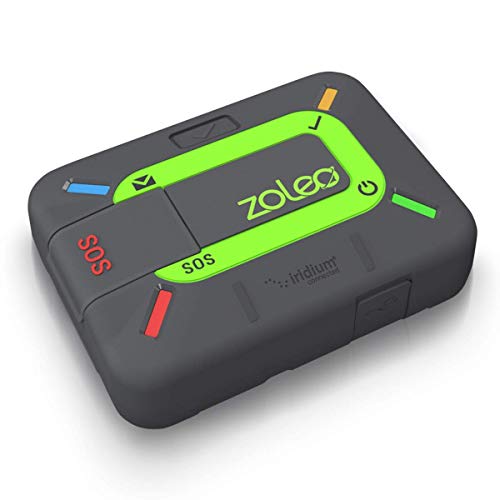
- Satellite Messenger (e.g., Garmin inReach): Two-way text messaging, SOS, tracking, but no voice calls. Lighter and cheaper but slower communication.
- Personal Locator Beacon (PLB): One-way SOS only (sends distress signal to rescue authorities). No messaging, no voice. Cheapest but least flexible.
- Two-way Radios: Short range (1-5 miles), rely on line-of-sight, useless in deep valleys.
For most campers, a satellite phone offers the highest level of security. If you're planning a solo camping trip or taking a family into remote areas, being able to speak with emergency services or a worried relative is invaluable. Consider also pairing your phone with a portable power station to keep it charged on extended trips.
Best Satellite Phone Models for Campers (2026)
Below are the most reliable and popular satellite phones for outdoor use. Prices are estimates for hardware (new, unlocked). Service plans range from $15/month for low usage to $100+/month for unlimited minutes.
| Model | Network | Hardware Price | Key Features |
|---|---|---|---|
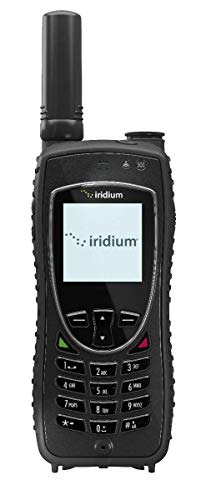
| Iridium 9575 Extreme | Iridium (global) | $1,300–$1,500 | Military-grade rugged, dust/shock/waterproof, integrated SOS button, programmable GPS tracking, voice & SMS. |
| Iridium GO! (exec) + smart device | Iridium | $800–$1,000 | Wi-Fi hotspot for your smartphone; use your own phone's interface for calls/texts/email. Lightweight. |
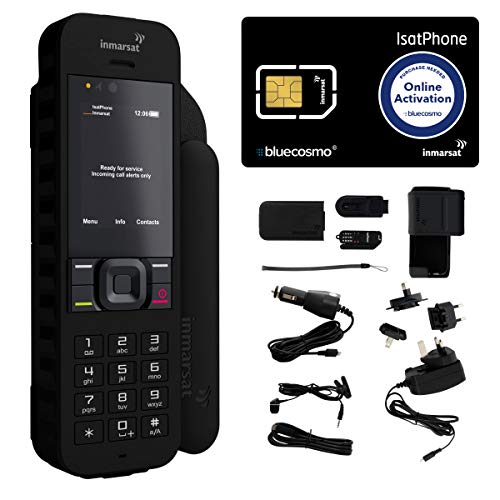
| Inmarsat IsatPhone 2.1 | Inmarsat | $600–$700 | Long battery life (8h talk, 160h standby), robust design, voice and SMS, Bluetooth connectivity. |
| Thuraya X5-Touch | Thuraya (Europa/Asia/Africa) | $900+ | Android-based touchscreen, dual SIM (GSM + satellite), GPS, WhatsApp capability over satellite (limited). |
| Inmarsat IsatPhone 2.1 Pro | Inmarsat | $750 | Improved dust/water resistance, enhanced GPS location sharing. |
Note: Many users rent satellite phones for short trips ($50–$100 per week). If you camp only 1-2 times per year, renting may be smarter. For frequent backcountry enthusiasts, buying is cost-effective.
Satellite Phone Service Plans: What to Expect
Unlike regular cellphones, satellite plans have higher per-minute costs. All major providers offer prepaid or postpaid options. Example Iridium plans:
- Occasional Use (prepaid): $0.80–$1.50 per minute, plus $30–$50 monthly line fee.
- Regular User: $50–$80/month for 50–100 minutes, then $0.50–$0.80/min overage.
- Unlimited Plans: $150+/month for unlimited voice & SMS (rare).
Inmarsat tends to be 10-20% cheaper. Expect annual costs of $400–$1200 depending on usage. For emergency-only, buy a prepaid SIM with 12-month expiration. Always compare with emergency communication strategies and consider pairing with a weather alert system.
Pros and Cons of Carrying a Satellite Phone While Camping
✔️ Advantages
- Global, reliable coverage (especially Iridium)
- Two-way voice communication – faster than texting
- Integrates with emergency services via 112/911 redirect
- Works where no cell towers exist
- Can receive critical weather updates
❌ Disadvantages
- High hardware cost ($600–$1,500)
- Expensive per-minute charges
- Requires clear sky view – dense forest or deep canyon may block signal
- Bulky and heavier than a PLB or messenger
- Monthly or prepaid plan commitment
If you primarily hike in backcountry areas with partial tree cover, consider a hybrid approach: a satellite phone for voice and a satellite communicator for daily check-ins.
How to Choose the Perfect Satellite Phone for Your Adventures
Answer these questions before buying:
- Where will you camp? For worldwide (including Alaska, Canada's Yukon, or polar expeditions) choose Iridium. For lower 48 US and Europe, Inmarsat works fine.
- Do you need voice or just texting? If only emergency SOS and check-in texts, a GPS messenger (like Garmin inReach) is half the price.
- What's your budget? Devices cost $600–$1500 plus $300–$800/year for service. If annual camping < 14 days, rent instead.
- Ruggedness requirements: Iridium 9575 Extreme is IP67 waterproof, drop-proof. Lighter models exist but are less durable.
- Battery life: IsatPhone 2.1 offers 8h talk time – great for multi-day. Iridium models average 4h talk, but charging via portable power station solves that.
We also recommend reviewing our camping safety guide to integrate your satellite phone into a full emergency plan, including first aid training and campfire safety.
When a Satellite Phone Saves the Trip: Real Scenarios
✅ Medical Emergency
Hiker in Washington Cascades breaks ankle 30 miles from trailhead. Uses satellite phone to call 911 relay and coordinate helicopter evacuation within 3 hours.
✅ Wildfire Evacuation
Family camping in Colorado's San Juan National Forest gets an alert on their satellite phone about sudden wildfire movement, allowing them to exit the area before roads close.
✅ Vehicle Breakdown
Overlanding in Arizona desert; truck gets stuck in sand. Satellite phone calls for a tow from the nearest town, avoiding dangerous night exposure.
✅ Weather Warnings
Winter campers in Yellowstone receive severe blizzard warning via SMS, allowing them to break camp and reach shelter before roads become impassable.
Frequently Asked Questions About Satellite Phones
Can I use my regular smartphone as a satellite phone?
Not directly. However, the Iridium GO! turns your smartphone into a satellite communication device via Wi-Fi, enabling voice and data. Newer iPhones (iPhone 14+) have limited emergency SOS via satellite (text only, no calls), but coverage is restricted to North America and not reliable for general calling.
Do satellite phones work in forests or canyons?
They require a clear line-of-sight to the sky. Dense tree cover or steep canyon walls may block the signal. Iridium's LEO satellites are more forgiving—you often get a signal with a 45-degree view. Inmarsat needs a clearer southern view. For dense forests, a satellite messenger with higher sensitivity might be better.
Are satellite phones legal in all countries?
Most countries allow personal use, but some restrict or ban them (India, China, Russia, Cuba). Always check local regulations before traveling internationally. For domestic US camping, no restrictions.
How do I rent a satellite phone?
Many online rental services (e.g., Roadpost, Outfitter Satellite) offer weekly rentals from $50–$80 plus airtime. Perfect for one-off trips. They ship the device to your home or to a pickup point near a national park like Smoky Mountains.
Can I use a satellite phone for non-emergency calls?
Absolutely. Many campers use them to call home each night or coordinate with other group members. Just be mindful of per-minute costs.
Our Verdict: Is a Satellite Phone Worth It for Campers?
Yes, if you regularly venture into areas without cellular coverage for more than a weekend. A satellite phone is the gold standard for safety, peace of mind, and true two-way communication. The upfront investment is high, but compared to the cost of a search-and-rescue mission (which can exceed $50,000), it's a bargain.
For occasional campers or those sticking to state parks with cell signal, a satellite phone may be overkill. In that case, consider a PLB or two-way radio as a lighter, cheaper alternative. But if you explore wild camping spots, national forest backcountry, or desert areas like Big Bend, bring a satellite phone.
After reading this guide, you're ready to choose your device. Browse the recommended products below (handpicked affiliate partners) to find the best satellite phone for your camping style.