Emergency Communication for Camping: Stay Safe Off-Grid
When you venture into the wilderness, staying connected can be the difference between a minor incident and a life-threatening emergency. Learn how to choose and use satellite messengers, PLBs, two-way radios, and modern communication tools to ensure help is always within reach.
📡 Why This Matters: Over 80% of wilderness rescues involve campers who had no reliable way to call for help. Cell phones fail beyond 5 miles from civilization. Whether you're a solo backpacker or a family on a remote camping trip, emergency communication devices are not optional — they are essential safety gear. This guide covers everything from budget-friendly options to advanced satellite technology, helping you make an informed decision before your next adventure.
Types of Emergency Communication Devices
Satellite Messengers
Two-way messaging via global satellite networks (Iridium, Globalstar). Send texts, check-ins, and SOS with GPS coordinates. Requires subscription but offers interactive rescue coordination.
- Two-way messaging (send & receive)
- Weather updates & tracking
- Monthly subscription (~$12–$60/month)
Popular models: Garmin inReach Mini 2, ZOLEO, SPOT X
Price range: $300–$500+
PLB (Personal Locator Beacon)
One-way emergency signal sent to government rescue coordination centers (COSPAS-SARSAT). No subscription, extremely reliable, but no two-way communication.
- One-button SOS via 406 MHz
- No monthly fees
- Battery lasts 5+ years
Popular models: ACR ResQLink, Ocean Signal RescueME
Price range: $250–$450
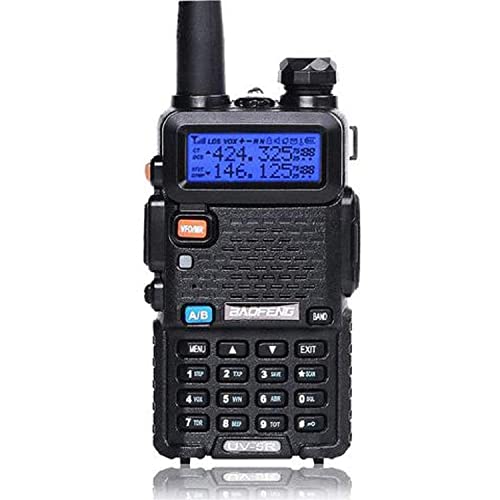
GMRS / FRS Radios
Short-range communication (0.5–35 miles depending on terrain). Ideal for group camping, convoy travel, and keeping family connected within a few miles. No SOS feature but essential for group coordination.
- No satellite dependency
- License-free (FRS) or low-cost license (GMRS)
- Rechargeable batteries
Popular models: Rocky Talkie, Motorola T600, Midland GXT1000
Price range: $50–$200/pair
Satellite Phones
Full voice calls and data from anywhere on Earth. Best for expedition leaders, remote workers, and those needing reliable voice communication. Higher cost but unmatched reliability.
- Voice & SMS via satellite
- Global coverage (Iridium, Inmarsat)
- High upfront & airtime costs
Popular models: Iridium 9575, Inmarsat IsatPhone 2
Price range: $800–$1,500 + plans
Offline & Satellite Apps
New hybrid solutions like iPhone 14+ Emergency SOS via satellite (free for 2 years) and Android satellite messaging. Use with compatible phones, but dedicated devices remain more rugged.
- Built into newer smartphones
- Limited to specific regions
- No subscription for basic SOS
Examples: Apple Emergency SOS, Garmin Messenger app
Cost: Free (hardware dependent)
How to Choose Your Emergency Communication Gear
Selecting the right device depends on your camping style, budget, and risk tolerance. For solo camping in remote backcountry, a satellite messenger like Garmin inReach provides two-way reassurance. Families on car camping trips may rely on GMRS radios for short-range coordination. If you frequently camp in areas without any cell signal, a Personal Locator Beacon (PLB) offers a subscription-free lifeline. Many experienced campers combine two devices: a PLB for ultimate emergency backup and a two-way radio for daily group communication.
Backcountry vs campground? Group size? Distance from ranger stations?
$100–$200 (basic radios), $300–$500 (satellite messengers), $800+ (sat phones).
PLB = no fees; Satellite messengers require monthly/annual plans ($12–$60/mo).
Multi-day trips need devices with long standby or rechargeable options like camping power banks.
Emergency Protocols: What to Do When Things Go Wrong
Having a device is only half the battle — knowing when and how to trigger an emergency response is critical. Before you leave, file a trip plan with a trusted contact. If you face a true life-threatening situation (severe injury, lost in extreme weather, medical emergency), activate SOS immediately on your device. For non-urgent issues, use two-way messaging to describe your situation. Always carry a camping first aid kit and know basic wilderness first aid. Additionally, learn emergency SOS signals (visual and auditory) in case your device fails.
📋 Pre-Trip Checklist: 1) Charge all devices fully. 2) Test satellite connection in an open area. 3) Share your device’s tracking page with family. 4) Register your PLB (required by NOAA). 5) Pack extra batteries or a solar charger for extended trips. Following these steps ensures your emergency communication tool works when you need it most.
Quick Comparison: Best Emergency Devices for Campers
| Device Type | Best For | Two-Way? | Subscription | Typical Price |
|---|---|---|---|---|
| Satellite Messenger | Solo/remote trips | Yes | $12–$60/month | $300–$500 |
| PLB (Beacon) | Emergency only, no chat | No | None | $250–$450 |
| Two-Way Radio (GMRS) | Group camping / short range | Yes (voice) | License $35/10yrs | $50–$200 |
| Satellite Phone | Full voice / expeditions | Yes (voice) | High airtime | $800+ |
Frequently Asked Questions About Emergency Communication
❓ Can I rely solely on my cell phone for emergency communication while camping?
No. Most remote camping areas have zero cellular coverage. Even in national parks, coverage is spotty. Always bring a dedicated emergency device like a satellite communicator or PLB. You can also check camping communication devices guide for detailed options.
❓ What is the difference between a PLB and a satellite messenger?
A PLB sends a one-way distress signal to government rescue authorities (no confirmation). A satellite messenger allows two-way texting and provides delivery confirmation, plus non-emergency messaging. For most campers, a satellite messenger offers better peace of mind. Learn more on our camping safety page.
❓ Do I need a license for two-way radios?
FRS (Family Radio Service) radios do not require a license. GMRS radios require a simple $35 FCC license (valid for 10 years, covers family). For camping groups, GMRS offers higher power and better range. Read our two-way radios camping guide for recommendations.
❓ How long do emergency devices last in cold weather?
Batteries drain faster in freezing temperatures. Keep devices close to your body in a pocket, or use lithium batteries rated for cold. For winter camping, consider devices with replaceable batteries and backup power banks.
Real-World Scenarios: Which Device Saves the Day?
Scenario 1 (Solo Backpacker): You twist your ankle 15 miles from the trailhead with no cell signal. A satellite messenger lets you send an SOS with GPS coordinates and text rescuers about your injury. Recommended: Garmin inReach Mini 2.
Scenario 2 (Family Camping): Your child wanders off near a large campground. GMRS radios allow family members to split up and communicate instantly. No SOS needed — just coordination.
Scenario 3 (Winter Expedition): Sudden blizzard strands your group. A satellite phone provides voice contact with rangers and weather updates. Combined with a PLB as backup, you have redundancy.
Always pair your communication gear with a emergency preparedness camping strategy, including extra food, warm layers, and knowledge of what to do if lost.
✅ Your Action Plan: Before your next camping trip, evaluate your destination's remoteness. If you venture beyond cell service, invest in a satellite messenger or PLB. For group trips, add a pair of GMRS radios. Register your device, test it at home, and always leave a trip itinerary with someone reliable. Emergency communication isn’t an expense — it’s the most important gear you’ll carry.
For more advanced safety, explore our guides on bear safety, lightning safety, and hypothermia prevention. Combine communication tools with proper first aid kits and navigation tools like handheld GPS for a complete backcountry safety system.