Best Camping Heaters: Stay Warm on Every Cold-Weather Adventure
From propane to electric and diesel, we break down the best portable camping heaters. Compare BTU outputs, safety features, run times, and find the perfect heat source for your tent, RV, or overlanding rig.
❄️ Why trust us? We’ve tested the most popular camping heaters across freezing nights in Colorado, rainy Pacific Northwest, and alpine conditions. Whether you're a winter camping enthusiast or planning a car camping trip in unpredictable weather, choosing the right heater makes the difference between a cozy night and a miserable, shivering experience.
1. Types of Camping Heaters: Which One Fits Your Style?
Before buying, understand the three main categories of portable camping heaters. Each has pros and cons regarding fuel type, portability, moisture output, and safety for enclosed spaces like tents or RV camping setups.
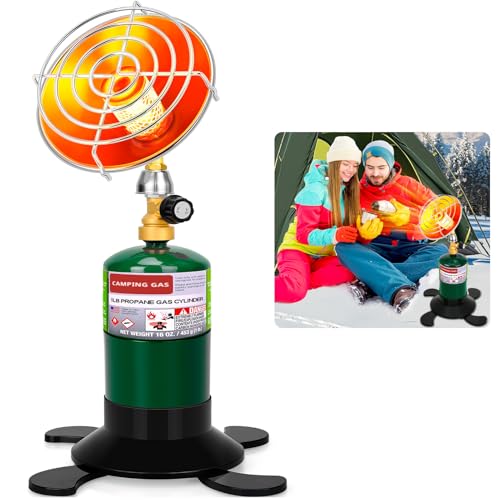
🔥 Propane Camping Heaters
Best for: Tent camping, tailgating, ice fishing.
Price range: $70 – $150
BTU: 3,000–9,000 BTU
Run time: 5–10 hours (on 1lb tank)
Pros: High heat output, portable, no electricity needed.
Cons: Produces moisture, requires ventilation, CO risk if misused.
⚡ Electric Camping Heaters
Best for: Campgrounds with electrical hookups, cabins, camping villages.
Price range: $30 – $120
BTU equivalent: 1,500–5,000 BTU
Run time: Unlimited with shore power.
Pros: Silent, no fumes, safe for enclosed spaces.
Cons: Requires generator or hookup, low heat for extreme cold.
🛢️ Diesel Air Heaters
Best for: Vanlife, overlanding, large RVs, winter camping in sub-zero temps.
Price range: $120 – $450
BTU: 8,000–20,000+ BTU
Run time: 10–20 hours per gallon.
Pros: Very efficient, dry heat, low CO output when installed correctly.
Cons: Complex installation, higher upfront cost.
2. Camping Heater Safety: Non-Negotiable Rules
Using a heater inside a tent or small camping space requires strict safety measures. Carbon monoxide poisoning is a real risk. Always follow these guidelines recommended by camping safety experts and outdoor organizations.
- ✔️ Use only low-oxygen shut-off (ODS) heaters for tents – never a standard propane torch or unvented kerosene heater.
- ✔️ Leave a vent or window partially open (cross ventilation) to prevent CO buildup.
- ✔️ Install a battery-operated carbon monoxide detector inside your tent or RV.
- ✔️ Keep flammable materials (sleeping bags, clothes) at least 3 feet away from the heater.
- ✔️ Turn off the heater before sleeping unless it’s a certified low-oxygen model with auto shut-off (some Mr. Heater models are tent-safe).
- ✔️ For hot tent camping with a wood stove, ensure proper stove jack and spark arrestor.
If you're camping in extreme cold weather conditions, also consider layering your clothing and using a high-R-value sleeping pad alongside your heater to retain warmth efficiently.
3. BTU Guide: How Powerful Should Your Heater Be?
British Thermal Units (BTU) measure heat output. Small tents (2-4 person) need around 1,500–4,000 BTU to raise temperature significantly. Medium RVs or 6-person canvas tents require 5,000–9,000 BTU. For sub-zero winter camping gear setups, consider 10,000+ BTU or a diesel heater.
| Tent / Space Size | Recommended BTU | Ideal Heater Type | Approx. Price Range |
|---|---|---|---|
| Small backpacking tent (1-2 person) | 1,500 – 3,000 BTU | Electric (with power) or small propane | $50 – $100 |
| Family tent (4-6 person) | 4,000 – 8,000 BTU | Propane radiant (Mr. Heater Portable Buddy) | $80 – $140 |
| RV or camper van (up to 20 ft) | 5,000 – 12,000 BTU | Diesel air heater or propane furnace | $150 – $350 |
| Large canvas wall tent / hot tent | 9,000 – 20,000+ BTU | Wood stove or large diesel heater | $200 – $500+ |
4. Editor's Choice: Best Camping Heaters for 2026
After testing dozens of units, these models stand out for reliability, safety certifications, and real-world performance. Each recommendation includes current market price ranges based on retail data (accurate as of this season).
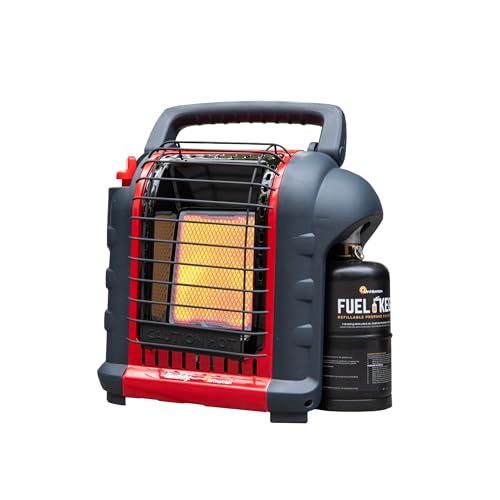
🏕️ Mr. Heater Portable Buddy
Type: Propane, radiant
BTU: 4,000 / 9,000
Price: $85 – $110
Why it wins: Low-oxygen shut-off (ODS), tip-over safety, runs on 1lb disposable or 20lb tank with hose. Heats up to 225 sq ft. Perfect for family camping and car camping checklist essentials.
🏕️ Vevor 5kW Diesel Heater
Type: Diesel air heater with all-in-one
BTU: 17,000 approx
Price: $130 – $180
Why it wins: Extremely efficient, dry heat, remote control. Ideal for truck camping or vanlife conversions. Needs 12V power and exhaust routing.
🏕️ Lasko MyHeat Personal Ceramic
Type: Electric, small footprint
BTU equivalent: ~1,500
Price: $30 – $45
Why it wins: Ultra portable, silent, safe for tents only if you have electrical hookup. Great for glamping or improving sleeping bag warmth.
For a complete winter setup, pair your heater with a winter sleeping bag rated for your region and insulated sleeping mats. Many campers combine a propane heater for evening warmth and a quality sleeping bag for overnight coziness when the heater is off.
5. Propane vs Diesel vs Electric: Which Fuel Is Right?
Your camping style dictates the fuel type. Propane heaters are easy to find (most gas stations sell 1lb cylinders) and work without power, but they create condensation. Diesel heaters produce very dry, consistent heat and are the gold standard for winter camping in sub-20°F conditions, but installation is more involved. Electric heaters are safest and cheapest to run, but you’ll need a campsite with electricity or a camping generator.
6. How to Use Camping Heaters in a Tent: Step-by-Step
Follow this routine to safely enjoy warmth inside your shelter:
- Choose a tent-safe model: Look for “indoor-safe” or “ODS” certification (e.g., Mr. Heater Buddy series). Never use barbecue-style propane tanks indoors.
- Position correctly: Place heater on a flat, stable surface away from doorways and tent walls. Keep at least 3 ft clearance from fabrics.
- Ventilate: Open a roof vent or unzip a small section of the tent door about 1-2 inches to allow fresh air exchange.
- Install CO alarm: Clip a battery-powered CO detector near sleeping level (not on the floor). Test batteries before each trip.
- Pre-heat before sleeping: Run the heater for 30-45 minutes to warm the tent, then turn it off while you sleep (unless it’s a low-oxygen model recommended for overnight use). For extreme cold, use hot tent camping techniques with a wood stove.
Check also our comprehensive winter camping safety guide for additional tips on preventing hypothermia and frostbite during prolonged cold exposure.
7. Operating Costs: Fuel Prices & Run Times
Fuel costs add up during extended trips. Here’s an approximate cost comparison based on current average US prices (2026):
- 💨 Propane (1lb disposable cylinder): $5–$7 per bottle → runs ~5 hours on high (9,000 BTU) → cost per hour ≈ $1.20.
- 🛢️ Diesel: $3.80–$4.50 per gallon → diesel heater consumes 0.1–0.2 gallons per hour → cost per hour ≈ $0.45–$0.90.
- ⚡ Electric: if using campground electricity, usually included in site fee (≈$0). If using generator, factor in gas costs.
For frequent winter campers, investing in a diesel heater pays off within 2–3 seasons due to lower fuel consumption and dry heat that reduces condensation inside tents and RVs.
8. Camping Heater FAQ: Your Top Questions Answered
❓ Can I use a regular propane heater inside a tent?
Only if it has a low-oxygen shut-off sensor (ODS) and is labeled for indoor/tent use. Standard torpedo heaters or construction heaters are NOT safe.
❓ What’s the best camping heater for a 4-person tent?
Mr. Heater Portable Buddy (4,000–9,000 BTU) is the most popular and safe choice. Provides ample warmth down to 20°F.
❓ Do electric camping heaters work in freezing temps?
Yes, but they need a power source. For off-grid, pair with a generator or large power station. They won’t work if the temperature drops below the unit’s operating range (most ceramic heaters handle down to -10°F).
❓ How do I prevent carbon monoxide poisoning?
Always ventilate, use an ODS-certified propane heater, and place a CO alarm inside. Never burn charcoal or run a car engine inside a tent. Read more on emergency preparedness.
🏆 Your Next Step: Now you know everything about camping heaters – from safety certifications to fuel economy. Scroll down to see our recommended camping heaters (updated prices from Amazon) and pick the model that matches your camping style. Stay warm and camp on!
👉 For more winter preparedness, explore our winter camping gear hub and how to stay warm in winter guide.