Dispersed Camping: Ultimate Guide to Free & Primitive Camping
Discover the freedom of camping outside designated campgrounds. Learn where to find free campsites, essential gear, and how to camp responsibly on public lands.
Start Your Adventure →🏕️ What Is Dispersed Camping?
Dispersed camping means camping anywhere outside of a designated campground, usually on public lands like BLM land or national forests. No amenities, no fees — just pure nature. It’s the ultimate way to experience solitude and self-reliance.
🗺️ Where to Find Free Campsites
Popular locations include National Forests, Bureau of Land Management (BLM) areas, and Wilderness Areas. Websites like FreeCampsites.net and apps like iOverlander help locate legal spots. Always check local regulations before you go.
⚖️ Rules & Ethics
Follow Leave No Trace principles: pack out everything, camp at least 200 feet from water sources, and avoid sensitive vegetation. Many areas have stay limits (usually 14 days). Respect wildlife and other campers.
Essential Dispersed Camping Guide
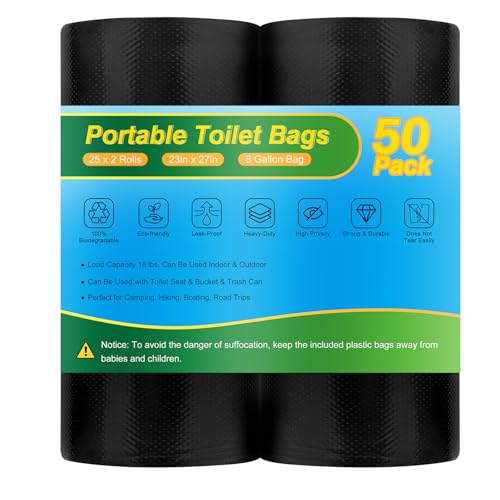
Unlike traditional campgrounds, dispersed camping requires full self-sufficiency. You’ll need to bring your own camping toilet or know how to dig a cathole (6–8 inches deep, 200 feet from water). Water sources are rarely available, so carry enough or bring a reliable water filter. Many dispersed campers rely on solar chargers and portable power stations to keep devices charged.
Because there are no marked sites or fire rings, you must choose a durable surface (rock, gravel, or dry grass) to minimize impact. Campfires are often prohibited during dry seasons; always check fire bans before lighting a match. A camping stove is a safer alternative for cooking. For navigation, offline maps and a handheld GPS are essential, as cell service is spotty in remote areas.
✅ Dispersed Camping Checklist: What to Pack
- Durable 3-season or 4-season tent
- Sleeping bag rated for conditions
- Insulated sleeping pad
- Portable camping stove & fuel
- Heavy-duty cooler (if car camping)
- Solar or battery lantern
- Water containers (minimum 1 gallon/person/day) + filter/purification
- Portable toilet or trowel + waste bags
- First aid kit + emergency blanket
- Navigation tools: GPS, compass, paper maps
- High-capacity power bank
- Trash bags (pack it in, pack it out)
- Multi-tool & repair kit
- Layering clothing for variable weather
Best Gear for Dispersed Camping
Since you’re away from any facilities, gear reliability is paramount. A sturdy camping tent with a full rainfly is recommended because weather can change quickly. For sleeping, consider a camping hammock with an underquilt in forested areas. Cooking requires a camping cookware set and a stable camping table. Many dispersed campers invest in a portable fridge for longer trips, but a quality camping cooler with ice blocks works well for weekends.
For hygiene, a portable camping shower or solar shower bag is handy, but always use biodegradable soap and keep 200 feet from water. Lightweight camping chairs and a camping sofa add comfort without damaging the environment. To stay powered, a solar charger paired with a quiet camping generator or power station keeps cameras and phones ready for emergencies.
⚠️ Safety & Regulations for Dispersed Camping
Before heading out, research fire restrictions and wildlife warnings. In bear country, use bear-proof food storage or a bear canister. Carry a wilderness first aid kit and know how to treat common injuries. Because you are far from help, a satellite communicator (like Garmin inReach) is a smart investment. Always tell someone your itinerary and expected return.
Legal boundaries: Most national forests allow dispersed camping unless posted otherwise. BLM land has similar rules, but some areas require a fire permit. Avoid camping in “No Camping” zones, near trailheads, or within 100 feet of roads. For group camping, follow group camping guidelines. You can check specific BLM camping rules and National Park rules — but note that National Parks generally prohibit dispersed camping except in designated wilderness areas.
Dispersed vs. Other Camping Styles
Unlike car camping which offers amenities like restrooms and fire rings, dispersed camping gives you complete solitude at zero cost. It’s more primitive than primitive camping because even basic outhouses are absent. For beginners, try car camping first to build confidence. Stealth camping is similar but focuses on staying unnoticed in urban or suburban areas — dispersed camping is purely in remote public lands.
If you enjoy van life or RV travel, RV camping is usually restricted to designated sites, but small RVs can park on BLM land for up to 14 days. For hikers, backpacking often involves dispersed camping in backcountry zones. No matter your style, always follow Leave No Trace to preserve these wild places for future adventurers.
🧭 Pro Tip #1: Scout During Daylight
Arrive at least 2 hours before sunset. Drive slowly and look for “pull-offs” that have existing fire rings (indicating previous use). Avoid wet meadows or fragile tundra. Use apps like Gaia GPS or OnX to confirm land ownership.
💧 Pro Tip #2: Water Management
Never rely on finding water. Carry enough for drinking, cooking, and cleaning. If you plan to refill from streams, use a high-quality water filter (0.1 micron) and backup purification tablets.
🔥 Pro Tip #3: Fire Safety
Only build fires where legal and in established rings. Use dead and downed wood only. Keep a shovel and water bucket nearby. Never leave fire unattended. During red flag warnings, use a camp stove instead.
Frequently Asked Questions
Is dispersed camping legal everywhere?
No. It’s generally allowed on BLM land and National Forests (except posted areas). National Parks, state parks, and private land prohibit it. Always verify with local ranger stations.
Do I need a permit for dispersed camping?
Most areas don’t require permits, but some popular zones (e.g., certain wilderness areas) may require a free or low-cost permit. Always check DNR rules or forest service websites.
How long can I stay at a dispersed campsite?
The standard limit on most public lands is 14 days within a 28-day period. After that, you must move at least 25 miles. Violations can result in fines.
What’s the difference between dispersed and boondocking?
“Boondocking” typically refers to RV camping without hookups, while dispersed camping applies to tent or vehicle camping in undeveloped sites. Both emphasize self-sufficiency.
Top US Destinations for Dispersed Camping
Experience the best free camping across the West and beyond. In Colorado, the San Juan National Forest offers endless dispersed sites with mountain views. Utah’s Grand Staircase-Escalante is a BLM gem with slot canyons and dark skies. Oregon’s Willamette National Forest has waterfall-filled forests. For desert lovers, Arizona’s BLM land near Sedona provides red rock backdrops. Always check local fire bans and road conditions before heading out.
Use resources like the USFS Motor Vehicle Use Maps (MVUM) to identify legal camping pull-offs. Many of these areas also offer opportunities for wild camping and backcountry camping for seasoned adventurers. Remember to pack extra water and a full-size spare tire — roads can be rough.