Wildfire Prevention: Essential Campfire Safety & Fire Ban Guide
Every year, thousands of acres burn due to preventable human-caused wildfires. As a responsible camper, you have the power to protect our forests, wildlife, and fellow outdoor enthusiasts. Master these life-saving practices before your next adventure.
According to the National Interagency Fire Center, nearly 9 out of 10 wildfires nationwide are caused by people — and many start from unattended campfires, burning debris, or equipment use. Your vigilance saves ecosystems, homes, and lives. Adopting wildfire prevention best practices is the single most impactful action you can take as an outdoor enthusiast.
Why Wildfire Prevention Matters for Campers
Camping brings us closer to nature, but it also introduces potential ignition sources into vulnerable environments. Dry conditions, wind, and careless behavior turn a simple campfire safety oversight into a catastrophic blaze. Understanding local fire ban guide regulations is your first line of defense. Wildfires not only destroy landscapes but also endanger campers, hikers, and wildlife. By following proven prevention techniques, you ensure that wilderness areas remain open and beautiful for generations. Responsible campers always check weather alerts, fire danger levels, and adhere to campfire regulations before striking a match.
Step-by-Step Campfire Safety: Prevent Before You Spark
Check for Fire Bans
Before you pack your camping gear, visit local ranger stations or official websites. Many parks enforce seasonal or emergency fire bans. If a ban is active, use a portable camping stove instead — never light an open flame. Hefty fines and legal consequences apply for violating fire bans.
Choose a Safe Location
Select an existing fire ring or build your fire on bare mineral soil, at least 15 feet from tents, trees, and overhanging branches. Clear away grass, leaves, and pine needles (the "fuel layer") within a 10-foot radius. Keep a shovel and water bucket nearby before lighting any flame.
Keep Fires Small & Attended
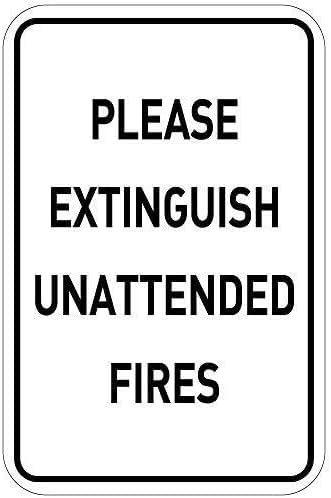
Never leave a campfire unattended, even for a few minutes. A small, manageable fire is easier to control and fully extinguish. Wind can quickly spread embers. Designate a "fire watcher" at all times, and keep children and pets at a safe distance.
Proper Extinguishing: Drown, Stir, Repeat
When you're done, drown the fire with water, stir the ashes with a shovel, and drown again. Continue until all embers are cold to the touch. Never bury hot coals — they can smolder undetected and reignite. Use the "cold test": hold your hand near the ashes; if you feel heat, repeat.
Understanding Fire Bans: What Campers Must Know
Fire restrictions are categorized by severity: Low, Moderate, High, Very High, and Extreme. During High or Extreme danger, all open flames (including campfires, charcoal grills, and wood stoves) are prohibited. Some areas even ban camping stoves without shutoff valves. Always check with land management agencies like the US Forest Service, BLM, or National Park Service. If you're planning a trip, integrate camping checklists to include fire safety gear: a collapsible water container, shovel, and fire extinguisher.
| Fire Restriction Level | Allowed Activities | Prohibited Activities |
|---|---|---|
| 🟢 Low / Moderate | Campfires in designated rings, stoves allowed | Fireworks, exploding targets |
| 🟡 High | Only gas/propane stoves with shutoff valves | Wood campfires, charcoal briquettes |
| 🟠 Very High | Only manufactured stoves with on/off switch | All open flames, smoking outdoors |
| 🔴 Extreme / Red Flag Warning | No open flames, no stoves (may be restricted) | All ignition sources, including chainsaws and welding |
Beyond Campfires: Hidden Wildfire Risks
It's not just campfires. Wildfire prevention also includes proper use of vehicles, equipment, and smoking materials. Never park hot vehicles on dry grass — catalytic converters can ignite vegetation. When using camping lantern or propane appliances, check for gas leaks. Lanterns and stoves should be placed on level, non-flammable surfaces. Dispose of cigarette butts in sealed ashtrays, never on the ground. Even broken glass can concentrate sunlight and spark fires. Ensure your camping tent is flame-retardant rated. Following leave no trace principles includes leaving your campsite free of any fire risk.
🔥 Proactive Prevention Checklist
- Research local fire restrictions before departure
- Bring a shovel, bucket, and at least 5 gallons of water
- Keep campfire camping essentials in a metal container
- Never use gasoline or accelerants to start fires
- Extinguish fires completely before leaving or sleeping
- Report unattended campfires to rangers
🚫 Common Mistakes to Avoid
- Leaving a fire smoldering overnight
- Building fires on windy days
- Using rocks from water sources (they may explode)
- Assuming rain eliminates risk — embers can survive
- Throwing cigarette butts into vegetation
Emergency Response: Spotting a Wildfire While Camping
If you see smoke or flames, act immediately. First, move yourself and your group to a safe location away from the fire's path, ideally upwind and toward barren areas. Call 911 or emergency services; provide precise coordinates or trail names. Use emergency communication devices like satellite messengers if cell service is unavailable. Do not attempt to fight a wildfire beyond the smoldering stage — professional firefighters have the training. If you have a emergency preparedness camping kit, grab it. Finally, notify campers in the vicinity and follow evacuation orders promptly. Your fast action saves lives and property.
🆘 Emergency Contacts & Resources
Program these numbers before your trip: National Interagency Fire Center (NIFC) hotline: (208) 387-5512. Local ranger district offices. Also download offline maps and weather apps camping to monitor fire weather warnings. Sign up for alerts via camping weather alerts systems like NWS Wireless Emergency Alerts.
Building a Culture of Fire Responsibility
Preventing wildfires is a shared duty. Share campfire safety tips with fellow campers, especially beginners. When you see someone breaking fire rules, respectfully speak up. Encourage friends to take the first time camping checklist seriously — fire safety must be part of every trip plan. Many parks offer volunteer programs for trail maintenance and fire prevention education. Additionally, consider using camping technology like portable power stations instead of open flames for cooking. By embedding these habits, you become a steward of the outdoors. After all, future generations deserve the same pristine wilderness we enjoy today.
✅ Your Wildfire Prevention Takeaway: Before Every Campfire, Remember S.T.O.P.
S - Scan for fire bans and danger ratings.
T - Tend your fire only in safe, cleared rings.
O - Observe constantly; never leave fire unattended.
P - Put it out dead out: drown, stir, feel for heat. If it's too hot to touch, it's too hot to leave.
Following these rules ensures your camping memories don't become wildfire tragedies. Explore more essential protocols via our camping safety hub.