Bear Safety Camping: Essential Guide for Campers
Learn how to prevent bear encounters, store food properly, use bear spray effectively, and handle aggressive wildlife — stay confident and safe in bear country.
Camping in bear country requires knowledge, preparation, and the right camping gear. Every year, thousands of campers enjoy safe trips by following proven bear safety protocols. This guide covers everything from campsite selection to emergency responses, helping you protect both yourself and bears. After reading, you'll be ready to choose the best bear spray or deterrents and shop confidently via our recommended products below.
🐻 Understanding Bear Behavior & Risk Prevention
Black Bears vs. Grizzlies
Black bears are more common and generally less aggressive, but still dangerous if provoked. Grizzly bears (brown bears) are larger, more territorial, and require stricter protocols. Knowing the difference helps you react correctly. In most lower 48 states, black bears dominate; in Alaska, Montana, Wyoming, and Idaho, grizzlies roam. Always check local regulations before your trip.
When backcountry camping, research the specific bear species. For RV camping, bears can still break into vehicles if food is left inside — never store food in your car overnight in high-risk areas.
Signs of Bear Activity
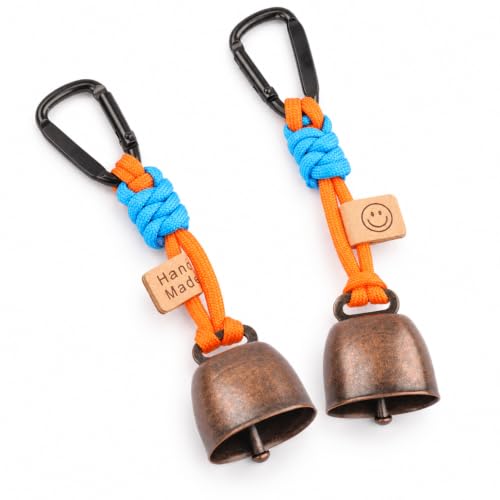
Look for fresh tracks, scat, claw marks on trees, or torn-up logs. If you see these signs, consider relocating or increasing vigilance. Bears are most active during dawn, dusk, and nighttime. Make noise while hiking to avoid surprising bears — attach a bell or clap hands periodically.
For more comprehensive camping safety strategies, browse our complete outdoor risk management library.
🏕️ Campsite Setup & Food Storage Rules
Proper Food Storage Techniques
The cardinal rule: never keep food, garbage, or scented items (toothpaste, deodorant, lotion) inside your tent. Use a bear-resistant canister or hang food at least 100 meters from your sleeping area and 4 meters above ground. Many campgrounds in bear territory provide metal bear boxes. For car camping, lock food in your vehicle only if it's hard-sided and you're in an area without known bear break-ins — but bear-proof containers are superior.
- Store all food, trash, and coolers inside bear-resistant containers.
- Cook and eat at least 100 yards away from your tent.
- Clean dishes immediately and dispose of wastewater away from campsite.
- Never bring food into your tent — even snacks or gum.
- Use camping cooler with bear-proof latches if available.
For camping with dogs, store dog food similarly and keep pets leashed — unleashed dogs can provoke bears and lead them back to you.
🧴 Bear Spray: Your #1 Defense
Bear spray is scientifically proven to be more effective than firearms for deterring aggressive bears. It creates a cloud of capsaicin that irritates eyes and respiratory system, stopping most charges. Choose EPA-approved spray with at least 2% capsaicin and a range of 25–30 feet.
- How to use: Remove safety clip, aim slightly downward, spray when bear is 30–40 feet away. Create a wall between you and the bear.
- Accessibility: Keep spray on your belt or backpack strap — never inside your pack.
- Practice: Buy an inert practice canister to learn deployment.
- Expiration: Replace every 3–4 years or after use.
Read our detailed analysis: Bear Spray vs. Gun: Which Protects Better? Also check camping first aid kit essentials for post-encounter care.
⚠️ Encounter Response: Step-by-Step
If You See a Bear (No Charge)
Remain calm. Do not run — running triggers chase instinct. Back away slowly while facing the bear. Speak in a low, calm voice. Avoid direct eye contact, which may be seen as aggression. Make yourself appear larger by raising arms or opening jacket. Move to higher ground or detour if possible.
When solo camping, carry bear spray and a noise device. Groups are safer — more noise and larger presence deters bears.
Aggressive Bear / Charge
Identify if it's a defensive or predatory charge. For defensive bear (protecting cubs/food): use bear spray when bear is within 30 feet. If contact occurs, play dead — lie flat on stomach, clasp hands behind neck, spread legs. For predatory bear (stalking, persistent): fight back aggressively with anything available — rocks, sticks, or spray. Never play dead with a predatory bear.
Learn more about wilderness first aid for trauma situations after an attack.
📋 Campsite & Hiking Best Practices
- Choose open campsites: Avoid dense brush, berry patches, or animal carcasses nearby.
- Make noise: Announce your presence while hiking — especially near streams or blind corners.
- Keep a clean camp: Store all smellables (soap, sunscreen, bug spray) with food.
- Use bear bells & lights: Some studies show bells aren't loud enough, but human voices work best.
- Check local advisories: Before heading out, review wildlife alerts from national parks or forest services.
For winter adventurers, read winter camping bear safety — bears in colder regions may still emerge during warm spells. Similarly, camping with kids requires teaching them bear safety basics: never run, stay close to adults.
🛡️ Essential Bear Safety Gear
Investing in quality bear-resistant equipment dramatically reduces risk. Below are top-tier products that pair perfectly with your camping backpack and overall shelter setup. Many of these items are recommended by park rangers and backcountry experts.
Select your bear safety tools based on the terrain. For dispersed camping or BLM lands, bear canisters are often mandatory. Always cross-check local regulations.
Final Thoughts: Respect Wildlife, Enjoy Wilderness
Bear encounters are rare when you follow safety guidelines. By properly storing food, carrying bear spray, and knowing how to react, you protect both yourself and these magnificent animals. Responsible camping includes Leave No Trace principles — leave nothing but footprints. After mastering bear safety, explore more camping checklists and camping destinations where bear protocols are enforced.