Ultimate Backpacking Checklist: Gear, Food & Safety
Your complete guide to backpacking essentials — from lightweight shelters and high-energy meals to navigation tools and first aid. Whether you're a beginner or seasoned trekker, this checklist ensures you never forget critical gear.
Backpacking is the purest form of outdoor freedom — carrying everything you need on your back to explore remote trails, alpine lakes, and hidden valleys. But a successful trip starts with a well-organized backpacking checklist. Forgetting a single essential item can turn an adventure into an ordeal. Below, we break down every category of gear, from camping backpack selection to sleep systems, cooking setups, and emergency preparedness. Use this list to pack smart, stay light, and hike with confidence.
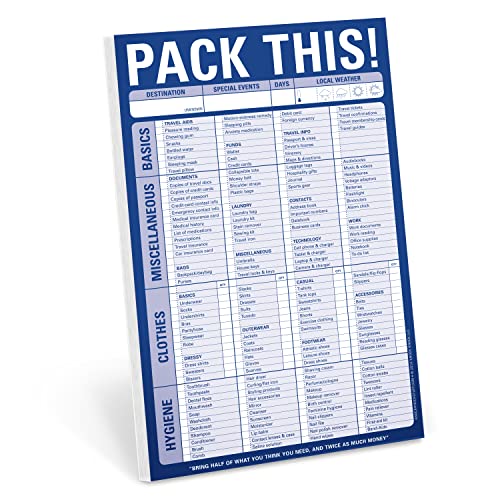
📋 The Complete Backpacking Gear Checklist
🏕️ Shelter & Sleep
- Ultralight backpacking tent or tarp (2–3 lbs)
- Sleeping pad (inflatable or closed-cell)
- Sleeping bag (rated for expected temps)
- Compact camping pillow
- Sleeping bag liner (adds warmth & keeps bag clean)
- Groundsheet or footprint (protects tent floor)
- Stakes & guylines (consider lightweight titanium stakes)
🎒 Backpack & Hydration
- Backpacking backpack (40–70L depending on trip length)
- Rain cover or pack liner (dry bags recommended)
- Hydration reservoir (2–3L) or lightweight bottles
- Water filter or purification tablets
- Collapsible water bottles / extra storage
- Electrolyte tablets (prevent dehydration)
🍲 Cooking & Food
- Ultralight camping stove (canister or alcohol)
- Compact cookware set (pot, lid, mug)
- Spork or long-handled spoon
- Fuel canister (calculate enough for trip length)
- Dehydrated meals, nuts, energy bars, instant coffee
- Bear canister or odor-proof bags (required in many areas)
- Mini lighter or waterproof matches
👕 Clothing System
- Moisture-wicking base layer (top & bottom)
- Insulating mid-layer (fleece or down jacket)
- Waterproof rain jacket (breathable fabric)
- Convertible hiking pants or shorts + leggings
- Wool or synthetic socks (2–3 pairs)
- Waterproof hiking boots or trail runners
- Sun hat, beanie, and lightweight gloves
🧭 Navigation & Safety
- Topographic map and compass (know how to use them)
- Handheld GPS device or smartphone with offline maps
- Backpacking first aid kit (bandages, antiseptic, meds, blister care)
- Headlamp with extra batteries (red-light mode)
- Personal locator beacon (PLB) or satellite messenger
- Multi-tool or small knife
- Emergency blanket and whistle
🧼 Hygiene & Extras
- Biodegradable soap, small towel, toothbrush kit
- Hand sanitizer & toilet paper (pack out waste)
- Sunscreen SPF 30+ & lip balm
- Bug repellent (DEET or picaridin)
- Repair kit (duct tape, needle, cordage, gear patches)
- Power bank for charging devices
- Trekking poles (reduce knee strain)
🎒 Backpacking Gear Tiers by Category
Below is a general classification of backpacking gear by quality tier. Use this as a reference when choosing equipment that matches your experience level and trip goals.
| Gear Category | Recommended Model/Brand | Tier |
|---|---|---|
| Backpack (50L) | Osprey Exos / Granite Gear Crown2 | Mid-range |
| Tent (2-person ultralight) | Big Agnes Copper Spur / Durston X-Mid | Premium |
| Sleeping Bag (20°F down) | Sea to Summit Spark / Kelty Cosmic | Mid-range to Premium |
| Sleeping Pad | Therm-a-Rest NeoAir / Nemo Tensor | Mid-range |
| Stove & Cookset | MSR PocketRocket 2 + GSI Soloist | Entry-level |
| Water Filter | Sawyer Squeeze / Katadyn BeFree | Entry-level |
| Headlamp | Black Diamond Spot / Petzl Actik | Entry-level to Mid-range |
| First Aid Kit | Adventure Medical Kits Ultralight | Entry-level |
🌦️ Backpacking by Season: Adjust Your Checklist
Your backpacking checklist must adapt to weather and terrain. For summer trips, focus on sun protection and lightweight fabrics. In shoulder seasons (spring/fall), add rain gear and extra insulation. Winter backpacking requires specialized knowledge — see our winter camping checklist for snow-specific gear. Always check local weather alerts before departure using reliable weather alerts systems.
🥾 Food Planning for Backpacking Trips
Calorie density is crucial. Plan for 2,500–4,000 calories per day depending on exertion. Dehydrated backpacking meals, nuts, dried fruit, cheese, tortillas, and peanut butter packs are excellent choices. Use a camping food packing list to organize meals by day. For multi-day treks, store food in bear-resistant canisters where required and follow how to store food from bears guidelines.
🌱 Leave No Trace: Backpacker’s Responsibility
Protecting wild places ensures future adventures. Always practice the seven principles: plan ahead, travel on durable surfaces, dispose of waste properly, leave what you find, minimize campfire impacts, respect wildlife, and be considerate of others. Learn more at Leave No Trace principles. For toilet needs, pack a small trowel and carry out used toilet paper.
✅ Ready to hit the trail? Use this backpacking checklist to pack systematically, reduce weight, and avoid common mistakes. Whether you’re planning a weekend in the Rocky Mountain NP or a thru-hike on the Pacific Crest Trail, proper preparation leads to unforgettable experiences. Scroll down to see our recommended backpacking gear — each product is tested and selected to help you move faster, sleep better, and stay safe.