Portable Power Stations for Camping
Stay powered up anywhere. Master off-grid electricity with our complete guide to battery generators, solar compatibility, and choosing the right capacity.
READ BUYING GUIDE⚡ Freedom from the grid: A portable power station lets you charge devices, run lights, power a camping cooler, and even use medical equipment — all without noisy gas generators. Whether you're planning a weekend car camping trip or a month-long RV camping adventure, understanding power stations is essential for modern outdoor living.
What Is a Portable Power Station?
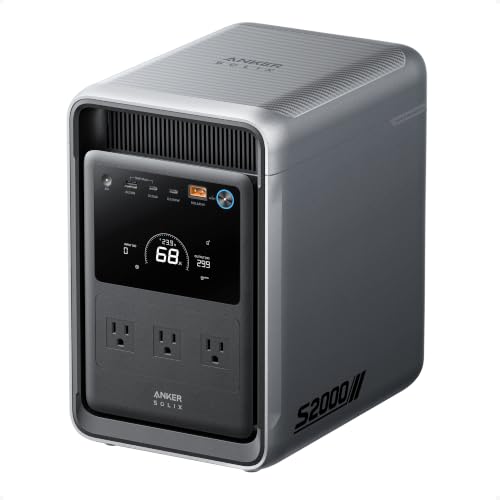
Think of a portable power station as a large rechargeable battery with multiple output ports: AC outlets (like your home wall socket), USB ports, USB-C, and 12V car ports. Unlike traditional gas camping generators, they are silent, emit no fumes, and can be safely used inside a tent or RV. Most models can be recharged via a standard wall outlet, your vehicle's 12V port, or — most useful for camping — solar panels. This makes them an eco-friendly and convenient power source for off-grid living.
Modern units use Lithium Iron Phosphate (LiFePO4) battery chemistry, which offers longer lifespan (2,000+ cycles), better thermal stability, and lighter weight compared to older lead-acid or standard lithium-ion batteries. Whether you need to power camping lanterns, charge drones, or run a portable fridge, a power station bridges the gap between smartphone power banks and heavy-duty generators.
Key Specifications: Capacity, Output & Runtime
Understanding the numbers
💡 Quick runtime formula: Battery Capacity (Wh) × 0.85 (efficiency loss) ÷ Device Wattage = Approximate hours of use.
How to Choose the Right Size for Your Camping Style
Selecting a portable power station starts with understanding your power needs. Make a list of devices you plan to use and note their wattage. For solo camping or backpacking with light electronics (phone, headlamp, small drone), a compact unit around 200–300Wh may suffice. For a weekend car camping checklist including a camping cooler, laptop, and camera batteries, aim for 500–800Wh.
If you camp with family or enjoy glamping guide luxuries like an electric camping heaters or a small espresso machine, step up to 1000–2000Wh or consider modular systems. For RV camping, many enthusiasts use portable stations as backup power or supplement their RV's house battery. Remember that solar recharging speed is equally important: a 100W solar panel will take roughly 6–10 hours to fully recharge a 500Wh station in good sun.
Solar Charging: The Ultimate Off-Grid Setup
Pairing your portable power station with portable solar panels unlocks unlimited renewable energy. Look for stations with high solar input capacity (e.g., 200W–400W) and MPPT (Maximum Power Point Tracking) charge controllers — they are far more efficient than PWM controllers. Many top models support "pass-through charging," meaning you can run devices while the unit is recharging from solar or a wall outlet.
When camping technology enthusiasts talk about energy independence, they often combine a 500–1000Wh station with two 100W folding solar panels. This setup can easily keep phones, tablets, lights, and a small cooler running indefinitely as long as sunlight is available. For cloudy days, having extra battery capacity acts as a buffer. Consider also the physical size and weight: some solar panels fold into a briefcase-style carrying case, perfect for backpacking checklist or overlanding.
Top Features to Look For
- Fast recharge time: Most modern power stations recharge from 0% to 80% in 1.5–3 hours via AC wall outlet. Some support dual charging (wall + solar simultaneously).
- App control & monitoring: Bluetooth or Wi-Fi connectivity lets you view battery level, adjust settings, and monitor input/output from your phone.
- UPS / EPS function: Emergency power supply mode automatically switches to battery when grid power fails — great for home backup and camping communication devices reliability.
- Multiple USB-C PD ports: Power Delivery (PD) allows fast charging of laptops, tablets, and newer smartphones (up to 100W per port).
- Expandable capacity: Some brands offer external battery packs that connect to double or triple total watt-hours, giving you flexibility for longer trips.
What Can You Run? Real-World Camping Use Cases
Knowing specific device power requirements helps you size correctly. A 300Wh station can charge a smartphone (5–15Wh) about 25 times, a laptop (50Wh) 5–6 times, or run a 12V portable fridges for 15 hours depending on ambient temperature. For cooking, most electric stoves or kettles need 1000W+, so either buy a larger station (1500W+) or use propane camping stoves for high-heat cooking.
Many campers love to run entertainment devices: a projector (80–150W) for movie nights, a portable speaker (10–20W) for music, or a camping drones battery charger. Medical devices like CPAP machines (30–60W without humidifier) are a common reason for buying a power station — always check compatibility and runtime. Finally, emergency preparedness: a power station can keep lights, radios, and medical devices running during a storm or power outage.
Safety & Longevity: Best Practices
Modern lithium power stations are very safe when used correctly. Avoid storing them in extreme temperatures (below freezing or above 95°F/35°C) as it degrades battery life. Charge to about 80% for long-term storage and perform a full charge/discharge cycle every 3 months to keep the battery management system calibrated. Always use the provided AC adapter or certified solar panels with appropriate voltage ratings. Do not daisy-chain power strips into the AC outlets, and respect the maximum continuous wattage limit.
For winter winter camping, note that cold temperatures temporarily reduce available capacity; keep the power station inside your tent or insulated bag. Some high-end models have self-heating features for low-temperature charging. Register your product for warranty — most reputable brands offer 2–5 year warranties on LiFePO4 batteries.
FAQs About Portable Power Stations
Now that you're equipped with knowledge about capacity, solar compatibility, and safety, browse the recommended portable power stations below. Each model is tested for reliability, real-world performance, and value. Click any product for current pricing and user reviews on Amazon.