Camping Water Filters Tech: The Complete Guide to Clean Water Outdoors
From pump filters to UV purifiers and gravity systems — discover the best water treatment technology for your next backpacking or car camping adventure.
Why Water Filtration Matters: Every year, thousands of campers experience waterborne illnesses from untreated streams, lakes, and rivers. Giardia, Cryptosporidium, and bacteria are invisible threats. Modern water filter technology gives you safe, great-tasting water without boiling or carrying heavy bottles. Whether you're a beginner backpacker or planning a family camping trip, the right water filter changes everything.
Types of Camping Water Filters: Technology Compared
Understanding the different filtration technologies helps you choose the right gear for your needs. Each type has unique advantages for specific camping styles — from ultralight backpacking to car camping with a group.
💧 Pump Filters
Hand-operated pumps that draw water through a hollow fiber membrane. Reliable for group camping and murky water sources.
- ✓ Pros: Fast flow rate, works with any water source, durable
- ✗ Cons: Heavier, requires physical effort, moving parts can fail
Best for: Group camping, base camps, RV camping
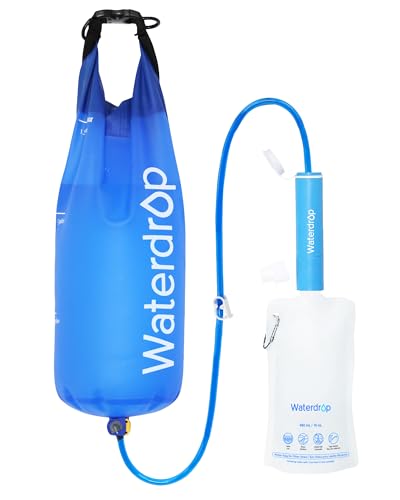
⚡ Gravity Filters
Fill a dirty water bag, hang it, and let gravity pull water through the filter element. Set-it-and-forget-it convenience.
- ✓ Pros: No pumping, high capacity (2-10 liters), great for groups
- ✗ Cons: Slow when bag is low, requires hanging point, bulkier
Best for: Base camp, family camping, group trips
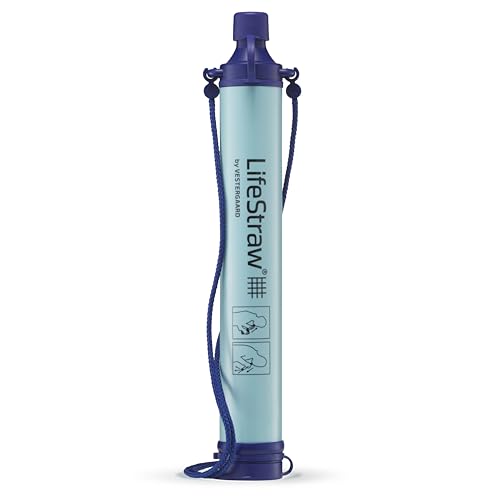
🔄 Squeeze & Bottle Filters
Lightweight systems where you fill a pouch or bottle and squeeze water through a filter directly into your mouth or another container.
- ✓ Pros: Ultralight (under 2 oz), simple, affordable, fast for one person
- ✗ Cons: Requires squeezing effort, limited capacity for groups
Best for: Solo camping, thru-hiking, ultralight backpacking
💡 UV Purifiers (SteriPEN)
Battery-powered devices that emit ultraviolet light to destroy bacteria, viruses, and protozoa.
- ✓ Pros: Kills viruses (unlike most filters), no pumping, tasteless water
- ✗ Cons: Requires batteries, doesn't remove sediment or taste, not for cloudy water
Best for: International travel, clear water sources, tech-savvy campers
🧪 Chemical Treatment (Tablets & Drops)
Iodine, chlorine dioxide, or silver ions kill pathogens over time (30 minutes to 4 hours). The lightest option available — perfect as a backup for any camping essentials kit. Modern chlorine dioxide tablets (like Aquamira) kill Giardia, Cryptosporidium, bacteria, and viruses without the nasty taste of iodine. However, they don't remove dirt or chemical pollutants.
Price range: $10–$25 for 50-100 tablets.
Best for: Emergency backup, international travel, winter camping (where filters freeze).
🔥 Boiling (Traditional but Reliable)
The oldest and most reliable method: bring water to a rolling boil for 1 minute (3 minutes above 6,500 ft). Boiling kills 100% of pathogens including viruses, bacteria, and cysts. However, it requires camping stoves or fire, takes fuel, and doesn't remove sediment or chemicals. Best used as a backup or for small quantities.
Water Filter Technology Comparison: At a Glance
| Technology | Weight | Flow Rate | Removes Viruses? | Removes Sediment? | Avg. Price |
|---|---|---|---|---|---|
| Pump Filter | 12-20 oz | 1L/min | No (except special models) | Yes (0.1-0.2 micron) | $80–$150 |
| Gravity Filter | 8-15 oz | 1-2L/min | No | Yes (0.1-0.2 micron) | $70–$180 |
| Squeeze/Bottle Filter | 2-4 oz | 1L/1-2 min | No | Yes (0.1 micron) | $30–$60 |
| UV Purifier | 4-6 oz + batteries | 30-90 sec/liter | Yes | No | $80–$130 |
| Chemical Tablets | ~1 oz | 30-240 min wait | Yes | No | $10–$25 |
| Boiling | Fuel weight | 5-10 min/liter | Yes | No | $0 (fuel cost) |
How to Choose the Right Camping Water Filter
Hollow Fiber Membrane Technology (Most Popular)
Over 80% of modern camping water filters use hollow fiber membranes — thousands of microscopic tubes with pores just 0.1 to 0.2 microns wide. Water passes through, but bacteria (0.2-5 microns) and protozoa (1-15 microns) get trapped. This is the technology behind top brands like Sawyer, Katadyn, Platypus, and LifeStraw. These filters remove 99.9999% of bacteria and 99.9% of protozoa. However, they do NOT remove viruses (0.004-0.1 microns). In areas with viral contamination (developing countries), add chemical treatment or UV.
For winter camping, hollow fiber filters can freeze and crack. Always keep them in your sleeping bag or jacket pocket. Alternatively, use chemical tablets or melt snow and boil.
🌱 Activated Carbon + Hollow Fiber (Advanced Combination)
Many premium filters now combine hollow fiber membranes with activated carbon cores. The carbon removes bad tastes, odors, chlorine, and some chemicals (like pesticides). This produces crisp, bottled-water-tasting results from any stream. Look for filters labeled "carbon" or "taste enhancer" — perfect for picky drinkers and family camping where kids refuse "wild water."
Price premium: $20–$40 more than basic filters. Well worth it for the taste improvement.
UV Purification: How It Works
UV-C light (wavelength 254-280 nm) destroys the DNA of bacteria, viruses, and protozoa, making them unable to reproduce. The SteriPEN and similar devices require clear water (turbidity below 1 NTU). They don't remove particles, so use a cloth pre-filter or collect sediment-free water. Most UV devices treat 1 liter in 60-90 seconds. Batteries last for 30-50 treatments. This is the only portable filter technology that reliably kills norovirus, rotavirus, and hepatitis A — making it popular for international adventure travel.
Water Filter Maintenance & Field Care
Proper maintenance extends filter life and prevents getting sick. Follow these rules:
- Backflush regularly: Use the included syringe or adapter to reverse water flow. Do this after every trip or when flow slows.
- Never let filters freeze: Frozen water expands and cracks hollow fibers. Sleep with your filter or keep in a jacket pocket during winter camping.
- Dry completely before storage: Moisture promotes mold and bacteria growth inside the filter housing.
- Replace as recommended: Most manufacturers suggest replacing every 1-2 years or after the rated liters (1,000L+).
- Use a pre-filter for murky water: A bandana or coffee filter extends the life of your main filter.
Emergency Tip: If your filter clogs in the backcountry and you don't have a backflush syringe, try soaking the filter element in warm (not boiling) water mixed with a few drops of white vinegar. This can dissolve mineral deposits. Always carry emergency water tablets as a lightweight backup.
Best Applications for Each Camping Style
🏕️ Family & Car Camping
Recommendation: Gravity Filter (4-6 liter capacity) or Pump Filter
Why: High volume, no effort, multiple people can refill simultaneously. Consider a 6L Platypus GravityWorks or Katadyn Base Camp.
🥾 Thru-Hiking & Ultralight
Recommendation: Squeeze Filter (Sawyer Squeeze or Katadyn BeFree)
Why: Weighs under 3 oz, fits on standard water bottles, fast flow. Pair with chemical tablets as backup.
🌍 International Travel (Virus Risk)
Recommendation: UV Purifier + Pre-filter OR Chemical Tablets
Why: Kills viruses that hollow fiber filters miss. SteriPEN Ultra or Grayl Geopress (integrated filter+purifier).
❄️ Winter & Snow Camping
Recommendation: Chemical Tablets or Boiling
Why: Hollow fiber filters freeze and break. Tablets work below freezing. Melt snow and boil for safety.
As you build your complete camping gear collection, a reliable water filter belongs in every camper's kit alongside your tent and stove. For warm-weather trips, pair your filter with a good camping cooler for food storage. And don't forget a chair to relax while your gravity filter does its work. Check our ultimate camping packing list for a complete gear rundown.
If you're new to wilderness hydration, read our first time camping tips and camping safety guides. Many experienced campers also pair their filter with a camping backpack hydration reservoir system. And for extended trips, consider a portable power bank to recharge UV purifiers.
Wild camping enthusiasts often rely on lightweight squeeze filters combined with Leave No Trace principles to minimize impact. The same filter technology works perfectly for backcountry camping and dispersed camping adventures where no facilities exist. Remember to always check campfire regulations and water source quality before filtering.