6-Person Tent You Can Stand Up In: Complete Buyer's Guide
Escape the crouch. Discover spacious 6-person tents with peak heights over 6 feet, designed for families and groups who value comfort and livability.
Key Takeaway: A 6-person tent with a stand-up height transforms camping from a cramped chore into a comfortable outdoor living experience. Look for a center height of at least 72 inches for true walk-around comfort.
Why Choose a Tall 6-Person Tent?
Standard dome tents often force adults to crawl or hunch over. For family trips or extended base camps, the ability to stand fully upright while changing clothes, organizing gear, or simply stretching is a game-changer. This is why a 6-person tent you can stand up in, often called a cabin-style tent, is the preferred choice for comfort-focused campers. Unlike lower-profile backpacking models, these tents prioritize vertical space and livable square footage, making them ideal for family camping adventures where you might spend rainy afternoons playing cards inside. When you invest in one of these spacious shelters, you're not just buying a tent; you're ensuring a luxury camping feel that keeps everyone happy, especially if you pair it with elevated camping cots that further utilize the vertical space.
Key Features to Look For
Not all tall tents are created equal. Beyond just the peak height, several critical design elements determine whether a tent will be a joy or a hassle to use. The primary distinction is between a true cabin tent with near-vertical walls and a modified dome that peaks at the center. Cabin designs, like many featured in our camping tent guides, maximize usable floor space, allowing you to place camping beds or camping chairs right up against the walls. You should also evaluate the frame material—steel poles are heavy but durable, while fiberglass offers a balance of strength and weight. Ventilation is equally crucial; look for large mesh windows and ground vents to combat condensation, a common issue in larger tents. For those who prioritize speed, an easiest 6-person tent to set up will feature a pre-attached frame or color-coded poles.
Top Types of Stand-Up 6-Person Tents
The market generally offers three distinct styles that allow a six-foot adult to stand tall. Understanding the differences will help you align your purchase with your specific camping style, whether you're setting up a base camp at a state park camping site or heading into the wilderness.
- Instant Cabin Tents: These come with the frame pre-connected to the tent body. Setup often takes under two minutes. They are perfect for first-timers and are a fantastic match for a beginner camping checklist. Models with built-in LED lighting offer added convenience, reducing your need for separate camping lanterns.
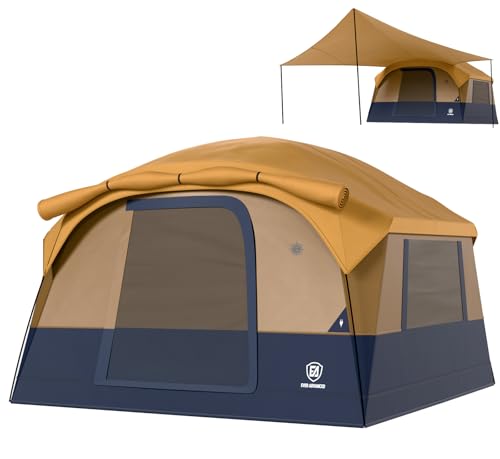
- Straight-Wall Cabin Tents: Delivering the absolute maximum interior volume, these tents function like a fabric room. The vertical walls are excellent for fitting camping tables inside without wasted space. They are heavier and bulkier but remain the gold standard for long-term comfort, often requiring a full car camping checklist loadout to transport.
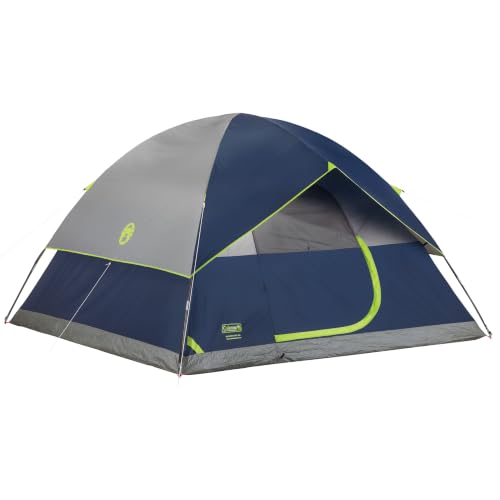
- Modified Dome with Screen Room: A hybrid option that offers a high center peak with slightly angled walls. The integrated screen porch is a bonus bug-free living area, perfect for storing muddy gear or dining away from insects, complementing your camping kitchen setup perfectly.
Price Guide & What to Expect
Pricing for a quality 6-person stand-up tent reflects the materials, pole design, and brand reputation. You can expect to pay around $150–$250 for a solid entry-level fiberglass pole model that provides basic weather protection and good height. Stepping up to the $250–$400 range unlocks better waterproofing, thicker fabrics, and convenience features like hinged doors or integrated lighting—perfect if you're following a family camping checklist and need reliability. Premium instant or heavy-duty canvas tents fall in the $400+ bracket, offering decades of use and four-season capability. If you're a larger group, you might want to compare with an 8-person tent for extra space, as the "6-person" rating often fits 4 adults plus gear most comfortably.
Advantages of Tall Tents
- Full walk-around height for changing
- Feels significantly larger and less claustrophobic
- Allows for tall furniture like cots and chairs
- Excellent for families stuck inside during rain
- Easier to hang lanterns or organize gear
Potential Drawbacks
- Heavier and bulkier than low-profile tents
- Can be less aerodynamic in high winds
- Longer setup time (except for instant models)
- Requires a larger, flatter campsite to pitch
- More interior volume to heat on cold nights (consider a camping heater)
Setup and Weatherproofing Tips
Even the best tall tent will let you down if pitched poorly. Always stake out the floor completely to maintain the structure's integrity, as vertical walls catch wind more readily than aerodynamic domes. Knowing how to set up a tent in the rain is vital; practice a quick assembly method so the interior stays dry. The rainfly is non-negotiable—a full-coverage fly prevents wind-driven rain from blasting through the large wall panels. If you plan to camp in the cooler months, you might want to explore keeping a tent warm in cold weather and supplement with safe camping heaters or high-quality winter sleeping bags to stay comfortable during the night.
Frequently Asked Questions
What is the typical center height of a 6-person stand-up tent?
Most models range from 74 to 80 inches (6'2" to 6'8"). A height of at least 76 inches is ideal for a 6-foot-tall adult to have ample headroom without brushing the ceiling.
Are stand-up tents hard to set up by one person?
Conventional pole-sleeve models can be challenging. However, a 6-person instant cabin tent is specifically engineered for solo assembly, with the frame snapping into place within seconds.
Can I use an air mattress with this type of tent?
Absolutely. The vertical walls of a cabin tent are perfect for accommodating a thick queen-size air mattress, like a queen air mattress with a built-in pump, without it pressing against the sidewalls.