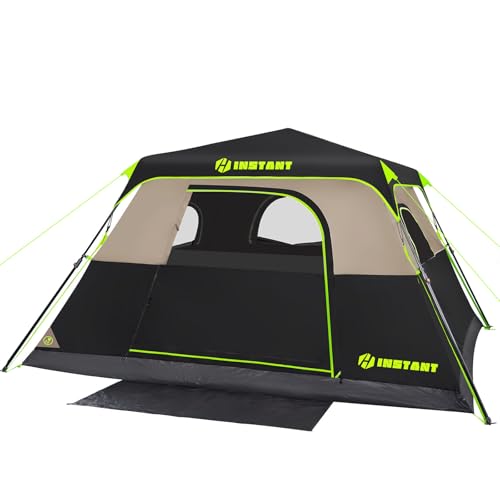
The Ultimate Guide to 6 Man Tents: Space, Comfort, and Shelter
Discover how a 6 man tent can transform your family camping experience. We break down styles, features, and setup to help you find the perfect shelter for your next adventure.
VIEW TOP PICKSWhy a 6 Man Tent? A 6 man tent is not just for six people. For families of four, it offers luxurious space for gear, a dedicated sleeping area, and a comfortable living zone. For larger groups, it’s a reliable basecamp that balances space with portability. This guide will help you navigate the options and find the perfect fit for your camping style.
What to Look For in a 6 Man Tent
Choosing the right 6 man tent involves more than just counting berths. You need to consider the style, seasonal rating, and the specific needs of your group. A common pitfall is buying a tent that is too small for your gear, or too complex to set up after a long drive. To avoid this, think about how you camp. Do you prefer a quick weekend getaway or a week-long basecamp? Your answer will guide you toward the ideal design.
When researching, you'll find a vast range of options. You might see terms like "cabin" or "dome." A cabin tent typically offers straight walls and near-vertical sides, maximizing interior volume and livable space. This is a fantastic choice for families who want to stand up and move around easily. On the other hand, a dome tent is often more aerodynamic and better at shedding wind and rain, making it a solid choice for more exposed campsites. For those who prioritize quick setup, you might want to explore an instant tent model.
Popular 6 Man Tent Styles Explained
Understanding the different styles is key to making an informed decision. The two most common types you'll encounter are the cabin and the dome. A 6 person dome tent with screen room is a classic design that offers excellent stability. These tents use intersecting poles to create a sturdy frame that can withstand decent wind. They are generally easier to pitch than large cabin tents but may have less headroom at the edges.
For maximum livability, a 6 person straight wall cabin tent with screen room is often the preferred choice for families. The straight walls create a room-like feel, allowing you to use cots or air mattresses without feeling cramped. Many of these models come with room dividers, effectively creating two separate sleeping areas, which is a huge bonus for privacy. If you need even more space for a growing family, you might consider looking at big tents for camping that offer even larger footprints and multiple rooms.
Key Features to Evaluate: Look for a tent with a high-quality rainfly that covers the entire roof and extends down the sides. A tub-style floor, where the floor material extends up the walls a few inches, is crucial for keeping you dry in heavy rain. Also, consider ventilation. A tent with mesh panels and a 6 person cabin camping tent with enclosed weatherproof screen room can offer fantastic views while keeping bugs out.
Capacity, Sizing, and the "Comfort Factor"
Tent capacity ratings are based on the number of sleeping bags that can fit side-by-side on the floor. This is a "maximum capacity" rating, not a "comfort" rating. For a comfortable experience, a good rule of thumb is to buy a tent rated for two more people than your group size. For a family of four, a 6 man tent provides ample space for everyone plus their gear.
This extra space allows you to bring along a double sleeping pad for the adults and individual pads for the kids, without being packed in like sardines. You'll also have room for your camping backpacks and other essentials. If you need to accommodate a larger group, you might look at a 8 person instant cabin tent with built-in LED lights, which offers even more room for socializing and sleeping. For solo or couple trips where you just want a massive amount of space, a 6 man tent can feel like a luxurious suite. It's a versatile size that works for a surprising range of camping scenarios.
Setup, Care, and Maintenance Tips
Setting up a large tent can seem daunting, but with practice, it becomes a quick and easy part of the camping routine. Always practice pitching your new tent in your backyard before your first trip. This allows you to learn the process without the pressure of rain or darkness. For tips on handling the elements, see our guide on how to set up a tent in the rain. If you're camping in a developed campground, you might need to know about setting up a tent on a platform.
Proper care will extend the life of your tent for many seasons. Always clean and dry your tent thoroughly before storing it. Never pack it away wet, as this can lead to mildew and delamination of the waterproof coating. A little maintenance goes a long way. If you're looking for a model that minimizes setup time, check out our list of the easiest 6 person tent to set up. And for tall campers, many manufacturers now offer a 6 person tent you can stand up in, which is a game-changer for comfort.
Frequently Asked Questions
Is a 6 man tent big enough for a family of four?
Yes, absolutely. A 6 man tent is often the ideal size for a family of four. It provides enough space for four sleeping bags, plus room for luggage, gear, and a small table or chairs if the weather keeps you inside. This extra space makes for a much more comfortable camping experience.
What is the difference between a 6 man tent and a 6 person tent?
There is no difference; the terms are used interchangeably. "6 man" and "6 person" both refer to a tent designed to sleep up to six people on sleeping bags placed side-by-side.
Can I use a 6 man tent for backpacking?
Generally, no. A 6 man tent is too large and heavy for backpacking. These tents are designed for car camping or basecamps where weight is not a primary concern. For backpacking, you would want a much smaller, lightweight tent, typically rated for 1-3 people. You can learn more in our guide to how to choose tent size.
How do I clean and store my 6 man tent?
Set up the tent, sweep or vacuum out any dirt and debris, then wipe down the interior and exterior with a mild soap and water solution. Allow it to dry completely in the sun before packing it away loosely in its storage bag. Store it in a cool, dry place, away from direct sunlight.