Stealth Camping: The Complete Guide to Camping Undetected & Responsibly
Master low-impact camping, find hidden spots, and stay safe while leaving no trace. Everything you need to know about stealth camping — from gear to ethics.
Start Learning →1. What Is Stealth Camping & Why Choose It?
Stealth camping allows you to experience true solitude away from busy RV parks and crowded campgrounds. Unlike traditional car camping or RV camping, stealth camping emphasizes leaving no physical trace, arriving late, leaving early, and blending with the environment. It’s closely related to wild camping, dispersed camping, and primitive camping — but with extra focus on staying unseen.
Many outdoor enthusiasts choose stealth camping to minimize expenses, avoid reservation hassles, or explore remote public lands like BLM camping areas and national forests. However, legality varies, so always research local restrictions before heading out.
2. Is Stealth Camping Legal? Know the Rules
The legality depends on land ownership. On public lands such as Bureau of Land Management (BLM) areas and U.S. Forest Service land, dispersed camping is often allowed unless posted otherwise. However, stealth camping is prohibited in most national parks, state parks, and private property without permission. Always check campfire regulations and national park rules in advance. For urban environments, stealth camping may violate local ordinances — research city codes.
3. Essential Gear for Stealth Camping
Choosing low-profile, quiet, and compact gear is critical. Here’s what experienced stealth campers rely on:
🏕️ Low-Color Tent
Olive green, brown, or coyote brown camping tent that blends into forest or desert terrain. Avoid bright colors.
🌲 Camping Hammock
A camping hammock with tree-friendly straps keeps you off the ground and reduces site impact.
🎒 Compact Backpack
Use a camping backpack (40-60L) that doesn’t scream “overnight gear” — muted tones preferred.
🍲 Quiet Stove
An alcohol stove or small canister camping stove without loud fans or noisy pumps.
💡 Red-Light Headlamp
Camping lantern or headlamp with red-light mode preserves night vision and is less visible.
🧊 Insulated Cooler
Small camping cooler (soft-sided) to avoid crinkly wrappers and excessive noise.
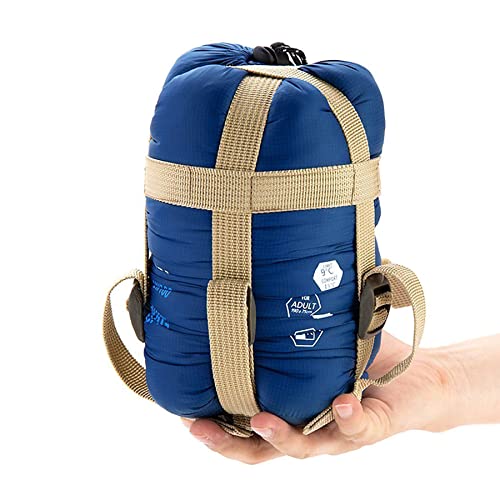
Additionally, carry camping mats that don’t crinkle, a camping blanket instead of a loud sleeping bag, and a camping pillow for comfort. Keep all camping essentials organized and silent.
4. How to Find Stealth Camping Locations
The art of finding a good stealth spot involves scouting during daylight. Look for:
- Public land designations: BLM land, National Forests (check MVUM maps), and state park camping areas that allow primitive camping.
- Areas far from trailheads, main roads, and residential zones — at least 200 feet from water sources.
- Natural concealment: dense tree lines, rock outcroppings, or dips in terrain.
- Avoid wet meadows, private fields, and protected wilderness zones (check camping destinations regulations).
Use apps like Gaia GPS, camping navigation apps, or best handheld GPS devices to confirm ownership boundaries. Consider backcountry camping techniques to reduce visibility. For urban stealth camping (e.g., while bike touring), choose industrial areas, rest stops with permission, or designated freedom camping zones where allowed.
5. Stealth Camping Safety & Emergency Communication
Camping alone or in remote areas requires extra precautions. Since stealth camping often means no cell service, prepare for emergencies:
- Always share your trip plan and intended camping zone with a trusted contact.
- Carry a camping first aid kit and know wilderness first aid basics.
- For backcountry safety, bring a satellite messenger or emergency beacons (PLB).
- A two-way radios camping set can help if hiking in a group.
- Check camping weather alerts and avoid flash flood or lightning-prone zones.
- Store food properly to avoid wildlife encounters; read how to store food from bears and bear safety camping guidelines.
For solo adventurers, read our guide is camping alone safe and bring a personal locator beacon. Also, consider an emergency communication plan that works without cell towers.
6. Stealth Camping Ethics: Leave No Trace & Beyond
Responsible stealth campers abide by Leave No Trace principles to protect ecosystems and keep wild places wild.
- Plan ahead: Know land-use rules (e.g., BLM camping rules, state park rules).
- Travel & camp on durable surfaces: Use established sites if possible, avoid trampling vegetation.
- Pack it in, pack it out: Carry trash, food waste, and even toilet paper. Use a portable trowel for catholes (6-8 inches deep, 200 feet from water).
- Minimize campfire impacts: Use a stove instead of a fire. If fires are legal, follow campfire safety rules and fully extinguish.
- Respect wildlife: Observe from a distance, never feed animals.
- Be considerate: Arrive after dusk, leave before sunrise, and never play loud music.
Stealth camping doesn't mean ignoring regulations — it means treading lightly and preserving the experience for others.
7. Pro Tips: How to Stay Undetected While Stealth Camping
- Use natural camouflage — pitch your tent near bushes or under tree canopies.
- Avoid bright headlamps; use red light or a small camping light inside your shelter.
- Cook simple cold meals or use a scent-free stove to avoid drawing attention.
- Keep voices low and move with minimal noise (no clanking metal utensils).
- Choose a campsite that is not visible from roads or trails. Look for "dead zones" in topography.
- If you see “No Camping” signs, move on. Do not risk fines or confrontations.
- For extended trips, rotate campsites to reduce impact and visibility.
8. Conclusion: Embrace the Freedom of Stealth Camping
Stealth camping offers an unmatched sense of freedom — connecting with nature without the crowds. By respecting laws, using the right camping gear, and following LNT ethics, you can enjoy incredible nights under the stars. Always prioritize safety, carry a reliable camping communication device, and check local regulations. Whether you’re a solo camping enthusiast or a family looking for adventure, stealth principles can elevate your outdoor skills.
Ready to start? Browse our recommended stealth-ready products below. And remember: leave only footprints, take only memories.