Camping Generators: The Ultimate Power Guide
Discover the right generator for your outdoor adventures — from inverter portables to solar power stations. Compare types, wattage, noise levels, and safety essentials.
Why trust this guide? Whether you're boondocking, RV camping, or preparing for a weekend off-grid, reliable power keeps lights on, devices charged, and medical equipment running. We break down everything you need to choose, use, and maintain the perfect camping generator.
1. Main Types of Camping Generators
⚡ Inverter Generators
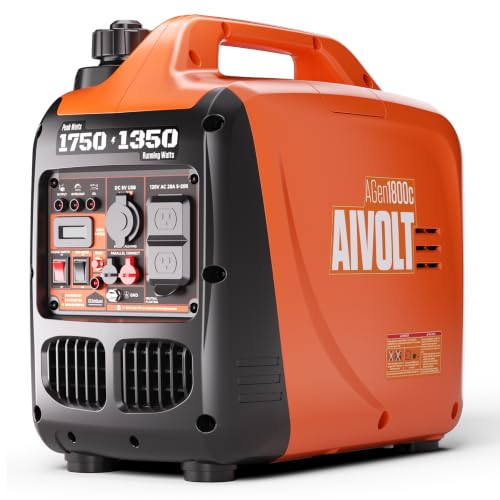
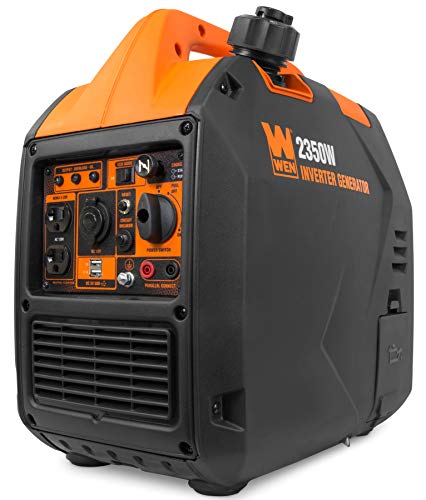
Produce clean, stable power (less than 3% THD) ideal for sensitive electronics like laptops, phones, and CPAP machines. Quieter and more fuel-efficient than conventional models. Price range: $450–$1,500
⛽ Conventional Portable Generators
Higher power output at lower upfront cost. Great for running power tools, large appliances, or RV air conditioners. Louder and heavier. Price range: $300–$1,000
☀️ Solar Generators (Power Stations)
Battery-based, silent, emission-free. Recharge via solar panels, car outlet, or AC. Perfect for weekend camping, and paired with solar chargers. Price range: $300–$3,000
🔄 Dual-Fuel / Tri-Fuel Generators
Run on gasoline, propane, or natural gas. Propane offers longer storage life and cleaner combustion. Excellent flexibility for extended trips. Price range: $600–$1,800
If you prefer silent, maintenance-free energy, explore our dedicated guides on portable power stations and camping power banks for smaller devices. For traditional energy needs, a generator remains unbeatable for high-wattage appliances.
2. Understanding Wattage: What Size Generator Do You Need?
Before buying, calculate both running watts (continuous power) and surge watts (extra for motor startup). Undersizing leads to overload, oversizing adds unnecessary weight and fuel consumption. Below is a typical power consumption reference for camping gear:
| Device / Appliance | Running Watts | Surge Watts (start-up) |
|---|---|---|
| LED Camping Lights (4 units) | 20W | – |
| 12V Refrigerator / Cooler | 40–60W | 80W |
| CPAP Machine (without humidifier) | 30–60W | 90W |
| Camping Heater (small ceramic) | 750–1500W | – |
| RV Air Conditioner (13,500 BTU) | 1500W | 2200–3000W |
| Electric Camp Stove / Hot Plate | 1000–1500W | – |
| Laptop & Phone Charging | 50–100W | – |
| Water Pump (RV style) | 100W | 300W |
Most campers find a 1,000–2,200 watt inverter generator adequate for lights, fans, fridge, and device charging. For RV air conditioning or camping heaters, choose 2,500–4,000 watts minimum. If you rely on medical devices, always add a buffer and consult with your equipment provider.
3. Noise Levels & Regulations
Most public campgrounds enforce noise limits (usually 60-70 dB at 50 feet). Inverter generators operate between 48–60 dB (comparable to normal conversation), while conventional open-frame units range from 65–75 dB. Always check park rules: some allow generators only during specific hours (e.g., 8 AM – 8 PM). For dispersed camping or BLM camping, noise matters less but respecting nature and fellow campers is key.
Look for generators with “quiet technology” or eco-mode that automatically adjusts engine speed based on load, saving fuel and reducing roar.
4. Critical Safety Tips for Camping Generators
Generators produce carbon monoxide (CO) – an odorless, deadly gas. Never run a generator inside a tent, camper, vehicle, or garage. Always position at least 20 feet away from living spaces, with exhaust directed outward. Many modern units include CO auto-shutoff sensors (a feature worth prioritizing).
- Use heavy-duty outdoor extension cords rated for the generator’s wattage.
- Store fuel in approved containers away from flames; allow generator to cool before refueling.
- Install a battery-powered CO detector inside your tent or RV for extra protection.
For broader precautions, visit our camping safety hub and emergency preparedness guide — being prepared ensures everyone returns home safely.
5. Runtime, Fuel Efficiency & Portability
Gasoline generators typically run 6–12 hours on a full tank at half load. Propane models yield slightly shorter runtime but cleaner emissions and indefinite fuel storage. Inverter generators often feature eco-throttle for longer runtime (up to 15+ hours). Solar generators offer quiet, fume-free power — runtime depends on battery capacity (Wh) and connected devices.
Weight matters if you move camp often: conventional units can exceed 80 lbs, while lightweight inverter models weigh 30–50 lbs. For backpacking or lightweight trips, a power bank with solar recharging may be more practical than a gas generator.
Check our comprehensive camping technology section for complementary gear like battery & solar panels, GPS tools, and communication devices.
6. Maintenance and Storage Best Practices
Gas generators require regular oil changes, air filter cleaning, and periodic operation (even off-season) to prevent fuel system issues. Use fuel stabilizer for long-term storage. Propane generators need minimal upkeep but check regulator hoses. For battery-based solar generators, store at partial charge (40-60%) in moderate temperatures and recharge every few months.
Environmentally-conscious campers increasingly opt for solar chargers and portable power stations — they produce zero emissions and silent operation. Pair them with a folding solar panel to extend off-grid duration.
7. How Much Should You Spend?
Camping generators span a wide price range based on type, wattage, and features. Here’s a realistic breakdown:
- $300–$600: Small conventional or basic inverter generators (1,000–1,800W) – great for weekenders.
- $600–$1,200: Mid-range inverter generators (2,200–3,000W) with electric start and low noise — ideal for RV and family camping.
- $1,200–$2,500: High-end inverter generators, dual-fuel, or large solar generators with expanded battery capacity (1,000Wh+).
Invest in CO detection, parallel capability (linking two units for more power), and a warranty of at least 2 years. Avoid “no-name” brands; reputable manufacturers offer better support and spare parts.
📋 Before your next trip: Review the car camping checklist or RV camping checklist to ensure you have all supporting gear — extension cords, surge protectors, and fuel canisters.
Ready to Choose Your Camping Generator?
Selecting the best generator involves balancing power needs, noise tolerance, fuel preference, and portability. For boondocking and extended stays, an inverter generator or dual-fuel model is hard to beat. If environmental impact or silence is your priority, a solar generator + panel combo works beautifully for moderate loads.
Below you’ll find our hand-picked recommended camping generators — real products from trusted brands. Each comes with verified specifications and affiliate links that help support our free guides (at no extra cost to you). Explore, compare, and power your next adventure with confidence.