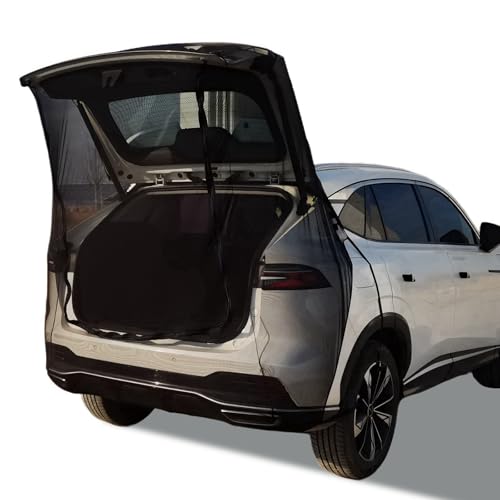
Auto Camping Guide: Transform Your Vehicle into the Ultimate Camping Base
Discover everything about auto camping: vehicle preparation, essential gear, sleeping solutions, cooking setups, and pro tips for an unforgettable car camping adventure.
Explore Auto Camping Gear →Why Auto Camping? Auto camping (or car camping) combines the freedom of the open road with the comfort of sleeping in or near your vehicle. Unlike backpacking where every ounce counts, auto camping lets you bring more gear, create a cozy sleeping setup, and access remote campsites without sacrificing comfort. Whether you drive a hatchback, SUV, truck, or minivan, your car becomes a mobile basecamp for unforgettable outdoor adventures.
What is Auto Camping? Understanding Car Camping Basics
Auto camping refers to any camping trip where your vehicle is used as the primary mode of transport and often as part of your sleeping or storage solution. Unlike backpacking where you carry everything on your back, auto camping allows you to pack larger tents, comfortable camping cots, full camping kitchen setups, and even portable power stations. Many campers choose to sleep inside their vehicle (SUV, minivan, or truck bed), while others prefer setting up a tent nearby. The key advantage is convenience: your car carries the weight, so you can focus on enjoying nature.
Auto camping is perfect for families, couples, and solo adventurers who want to explore multiple destinations without the hassle of pitching and breaking down camp every day. With your vehicle as a mobile base, you can easily move between camping spots, visit nearby attractions, and return to a comfortable setup each night. This style of camping has gained tremendous popularity among road trippers, weekend warriors, and outdoor enthusiasts who value flexibility and comfort.
Essential Auto Camping Gear: What You Really Need
When preparing for an auto camping trip, focus on gear that maximizes comfort while fitting within your vehicle's space. Here's what experienced car campers recommend bringing:
Sleeping Setup
A quality sleeping setup is crucial for auto camping. Options include camping mats, inflatable mattresses designed for car interiors, or camping cots. For inside-vehicle sleeping, consider foldable foam mattresses cut to fit your car's dimensions. Don't forget warm camping blankets and supportive camping pillows for a restful night.
Cooking Equipment
A portable camping stove is essential for hot meals. Many auto campers prefer two-burner propane stoves for cooking flexibility. Bring camping cookware, camping utensils, and a camping cooler to keep ingredients fresh. A camping kettle is perfect for morning coffee or tea.
Lighting & Power
LED camping lanterns and camping lights provide ambient illumination. For extended trips, bring camping power banks or a portable power station. Solar chargers help keep devices powered off-grid.
Furniture & Extras
Foldable camping tables and lightweight camping chairs create a comfortable camp. A camping tarp provides shade and rain protection. Consider camping heaters for cold nights or camping showers for longer stays.
Vehicle Preparation: Creating Your Mobile Bedroom
One of the biggest decisions in auto camping is whether to sleep inside your vehicle or in a separate tent. Sleeping inside offers better protection from weather, wildlife, and noise, plus faster setup and takedown. Here's how to prepare your car for comfortable sleeping:
Auto Camping Vehicle Preparation Checklist
- Clean and Organize: Remove unnecessary items, vacuum seats, and wipe down surfaces.
- Fold Seats Flat: Most SUVs and hatchbacks have fold-flat rear seats. For sedans, consider backseat air mattresses.
- Level Your Vehicle: Use leveling blocks or park on flat ground to prevent rolling during sleep.
- Window Ventilation: Install mesh window socks or screens to allow airflow while keeping bugs out.
- Sleeping Platform: Build or buy a platform that creates a flat surface above folded seats. Many auto campers use plywood platforms with storage underneath.
- Privacy Screens: Use reflective sun shades or custom-fit window covers for privacy and temperature control.
- Organization Systems: Install roof racks, cargo boxes, or use stackable bins to maximize space.
For truck owners, truck camping offers unique advantages. Adding a truck bed tent or a camper shell transforms your pickup into a cozy sleeping space. Similarly, RV camping provides more amenities but requires larger vehicles. For those with minivans, the spacious interior and stow-and-go seats make them excellent auto camping vehicles. Even motorcycle camping enthusiasts can adapt auto camping principles with smaller, ultralight gear.
Auto Camping vs. Traditional Camping: Key Differences
Understanding how auto camping compares to other styles helps you choose the right approach for your adventure:
vs. Car Camping
While often used interchangeably, car camping typically means camping near your parked car but sleeping in a tent. Auto camping specifically refers to sleeping inside or directly attached to your vehicle. Auto camping offers better insulation, security, and faster setup.
vs. Backpacking
Backpacking requires ultralight gear and physical endurance. Auto camping lets you bring heavier items like cast iron cookware, full-sized pillows, and portable showers. Comfort level is significantly higher with auto camping.
vs. Glamping
Glamping (glamorous camping) involves pre-setup luxury tents or yurts with amenities. Auto camping is more DIY-focused but can be equally comfortable with the right gear, at a fraction of the cost.
Auto Camping Cooking: Delicious Meals from Your Trunk Kitchen
One of the joys of auto camping is the ability to cook real, satisfying meals without weight restrictions. A well-planned camping kitchen setup transforms your campsite into a outdoor dining experience.
Start with a reliable two-burner propane camping stove – the standard for most auto campers. Complement it with a camping cooler (rotomolded coolers keep ice for days), camping cookware (non-stick frying pan, saucepan, and kettle), and camping utensils (spatula, ladle, tongs, and a sharp knife). Don't forget a camping kettle for morning coffee or tea, and a French press or pour-over setup for quality brew.
Pro Auto Camping Cooking Tip: Prep ingredients at home before your trip. Chop vegetables, marinate meats, and portion spices into small containers. This saves time at camp and reduces cleanup. For easy meals, try foil packet dinners (meat + vegetables + seasoning wrapped in aluminum foil and cooked on coals), one-pot pasta dishes, or breakfast burritos made on your camp stove.
Consider bringing a camping bar setup for mixing drinks and a camping cooker like a Dutch oven for slow-cooked meals. For longer trips, a portable portable fridge (powered by your car or a power station) beats coolers for keeping food fresh without dealing with melting ice.
Auto Camping Safety: Stay Protected on the Road
Safety should always be your priority when auto camping. Your vehicle provides excellent protection, but you still need to prepare for emergencies, weather changes, and wildlife encounters.
Always pack a comprehensive camping first aid kit with supplies for cuts, burns, sprains, and medications. Learn wilderness first aid basics before remote trips. For vehicle emergencies, carry jumper cables, a tire repair kit, portable air compressor, and extra engine oil. A emergency beacon (PLB) or satellite communicator is invaluable for areas without cell service.
When parking for the night, follow BLM camping rules on public lands or reserve spots at designated campgrounds. Always practice Leave No Trace principles: pack out all trash, minimize campfire impact, and respect wildlife. Be aware of campfire regulations and fire bans in your area.
Auto Camping Safety Essentials
- Carbon Monoxide Detector: Never run your car engine while sleeping inside. Use battery-powered detectors for safety.
- Fire Extinguisher: Keep a small ABC-rated extinguisher accessible inside your vehicle.
- Emergency Road Kit: Flares, reflective triangles, first aid kit, water, and blankets.
- Weather Monitoring: Check forecasts before departure and use weather alerts apps during your trip.
- Food Storage: Follow bear safety food storage guidelines in bear country. Use bear canisters or lock food in your vehicle.
- Communication Plan: Share your itinerary with someone at home and carry emergency communication devices.
Top Auto Camping Destinations in North America
Auto camping opens up incredible destinations that combine scenic drives with amazing campsites. Here are some top-rated locations perfect for vehicle-based camping:
Western Gems
Yosemite Camping offers breathtaking granite cliffs and giant sequoias. Joshua Tree Camping provides otherworldly landscapes and dark skies for stargazing. Oregon Coast Camping features dramatic ocean views and temperate weather.
Mountain Destinations
Colorado Camping in the Rocky Mountains offers countless dispersed camping spots. Rocky Mountain NP Camping provides high-altitude adventures with stunning wildlife viewing opportunities.
Desert & Southwest
Utah Mighty 5 Camping (Zion, Bryce, Capitol Reef, Arches, Canyonlands) offers red rock majesty. Arizona Desert Camping near Sedona or the Grand Canyon provides incredible sunsets and mild winter camping.
For those new to vehicle camping, start with established state park camping or national park campgrounds that offer amenities like restrooms, picnic tables, and fire rings. As you gain experience, explore dispersed camping on public lands for true solitude and freedom.
Complete Auto Camping Checklist: Don't Forget Anything
Use this comprehensive checklist to prepare for your auto camping adventure. Print it or save it to your phone for easy reference:
Sleep & Shelter
- ✓ Sleeping mattress/pad
- ✓ Sleeping bag or blankets
- ✓ Pillow
- ✓ Window screens/shades
- ✓ Emergency blanket
Kitchen & Food
- ✓ Camp stove + fuel
- ✓ Cookware & utensils
- ✓ Cooler + ice packs
- ✓ Food & spices
- ✓ Biodegradable soap
Safety & Tools
- ✓ First aid kit
- ✓ Multi-tool / knife
- ✓ Headlamp / flashlight
- ✓ Fire extinguisher
- ✓ Jumper cables
Personal Items
- ✓ Clothing layers
- ✓ Rain gear
- ✓ Sunscreen & bug spray
- ✓ Toiletries & toilet paper
- ✓ Power bank / charger
For more detailed planning, explore our specialized checklists like first-time camping checklist, family camping checklist, and winter camping checklist. You can also download our printable camping checklist (PDF) for offline use.