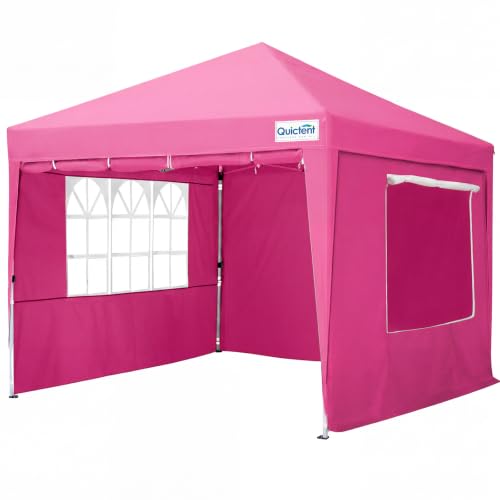
Canopy Tent with Sidewalls: The Complete Shelter Solution
Discover how a canopy tent with sidewalls transforms your outdoor experience — from camping comfort to event protection. Learn about materials, setup, weather resistance, and which features matter most.
Why a canopy tent with sidewalls? Unlike open canopies, sidewalls provide 360° protection from wind, rain, sun, and insects. Whether you're camping in unpredictable weather, hosting a backyard event, or need a portable shelter for outdoor gatherings, the right canopy with walls delivers privacy, safety, and comfort. This guide walks you through everything you need to make a confident purchase.
What Exactly Is a Canopy Tent with Sidewalls?
A canopy tent with sidewalls is a freestanding, portable shelter featuring a roof canopy and removable wall panels. The frame is typically pop-up or assembled from metal or fiberglass poles, while the canopy top and sidewalls are made from water-resistant materials like polyester, Oxford cloth, or heavy-duty PVC. Sidewalls attach via zippers, hook-and-loop strips, or clips, and can often be configured in multiple ways — full enclosure, partial coverage, or completely removed.
These shelters are popular for camping, tailgating, farmers' markets, beach days, and emergency preparedness. When comparing options, consider weight for canopy tent and portability, as well as the specific dimensions you need. For compact setups, a smallest pop-up canopy might be ideal, while larger groups may prefer a heavy-duty canopy tent for maximum durability.
Key Features That Define a Quality Canopy Tent with Sidewalls
Frame & Durability
Entry-level models use thinner steel or aluminum frames. Mid-range options offer reinforced joints and rust-resistant coatings. Premium and luxury tiers feature heavy-gauge aluminum or powder-coated steel with wind vents and cross-bracing for stability in gusty conditions.
Canopy Fabric
Look for water-resistant, UV-blocking fabrics. Mid-tier canopies often use 210D Oxford with PU coating. High-end models employ 300D+ ripstop polyester or marine-grade fabric with taped seams for superior weatherproofing.
Sidewall Configuration
Premium canopies include removable, interchangeable sidewalls with windows, doors, and mesh panels. Some offer full enclosure kits with zippered entries. This flexibility is essential for camping privacy and event crowd flow.
Ease of Setup
Luxury models feature true pop-up mechanisms with pre-attached fabric and one-push hubs. They set up in under two minutes and often include wheeled carry bags, stakes, and guy lines as standard.
Canopy Tent with Sidewalls: Tier Comparison
| Feature | Entry-Level | Mid-Range | Premium / Luxury |
|---|---|---|---|
| Frame Material | Thin steel, painted | Aluminum or coated steel | Heavy-gauge aluminum, powder-coated |
| Canopy Fabric | Basic polyester, minimal UV | 210D Oxford, PU coated | 300D+ ripstop, taped seams |
| Sidewall Type | Simple hook-and-loop panels | Zippered or clipped panels | Interchangeable, mesh/window options |
| Weather Resistance | Light rain, calm days | Moderate rain, some wind | Heavy rain, gusty winds, UV protection |
| Setup Time | 5–10 minutes | 3–5 minutes | Under 2 minutes (pop-up) |
| Portability | Basic carry bag | Wheeled bag included | Wheeled bag + premium hardware |
Why Campers and Event Planners Choose Canopy Tents with Sidewalls
The versatility of a canopy tent with sidewalls is unmatched. For campers, it serves as a dining shelter, kitchen area, or emergency refuge during sudden storms. For event organizers, it provides a professional backdrop, sun protection for guests, and a private space for vendors. When you're looking for a 10 x 10 canopy tent with sides, you're investing in a portable room that adapts to any outdoor scenario.
If you're setting up on a beach, a top-rated beach canopy with sidewalls offers wind and sand protection that standard umbrellas can't match. For larger gatherings, an 8x8 pop-up canopy provides ample room for seating, while a canopy with walls 10x10 is a popular choice for tailgating and family reunions.
Pros & Cons at a Glance
✅ Advantages
- 360° weather protection with sidewalls
- Quick setup and takedown (pop-up models)
- Portable and easy to transport
- Customizable configurations
- UV protection for skin and gear
- Privacy for camping or changing
❌ Limitations
- Not designed for extreme weather
- Needs proper anchoring in wind
- Larger sizes can be heavy
- Sidewalls may reduce airflow
- Quality varies significantly by tier
Setup Tips for Maximum Stability and Comfort
Proper setup is critical, especially when using sidewalls. Always anchor your canopy with stakes or weights — sidewalls act like sails in the wind. If you're camping in an exposed area, consider a wind-powered beach shade as a secondary option, but for full protection, a canopy with sidewalls is superior. For those who need a quick-deploy shelter, an 8x8 pop-up canopy is a great balance of size and manageability.
When setting up on hard surfaces, use weight bags or sandbags. On grass, heavy-duty stakes work best. If you're using your canopy for camping, check out our heavy-duty tent pegs guide for anchoring tips. And for those who want a more permanent or larger structure, explore heavy-duty canopy tent options that offer reinforced frames and thicker fabrics.
Frequently Asked Questions
Can a canopy tent with sidewalls be used for camping?
Absolutely. Many campers use canopy tents with sidewalls as a primary shelter or as a dining/kitchen area. They offer excellent protection from rain, sun, and bugs. However, for overnight sleeping in harsh conditions, a dedicated camping tent like a dome tent for camping or a pop-up tent bed may be more appropriate due to better wind resistance and insulation.
How do I choose the right size canopy with sidewalls?
Consider your intended use. A 10x10 canopy is the most popular size for general use, comfortably seating 6–8 people. For larger groups or events, a 10x20 pop-up tent with sides offers double the space. If you need something compact for solo trips, a smallest pop-up canopy might suffice. Always check the weight for canopy tent to ensure you can transport it easily.
Are sidewalls removable?
Most modern canopy tents with sidewalls feature removable panels. They attach via zippers, hook-and-loop, or clips, allowing you to configure the shelter based on weather and privacy needs. Premium models often include multiple sidewall options, such as solid panels, mesh windows, and zippered doors.
Can I use a canopy tent with sidewalls on a beach?
Yes, but you'll need to anchor it securely. Sand stakes or sandbags are essential. A top-rated beach canopy with sidewalls is designed for this purpose, offering UV protection and wind resistance. Avoid using it in high winds, as the sidewalls can catch wind like a sail.
What is the difference between a pop-up canopy and a traditional canopy tent?
Pop-up canopies have a pre-assembled frame and fabric that expands with a simple push or pull. Traditional canopies require assembling poles and stretching fabric. Pop-up models are faster to set up and more convenient for events, while traditional canopies can be more durable and customizable for long-term use. For quick trips, a popup camping tent is often preferred.
Ready to find the perfect canopy tent with sidewalls? Explore our recommended products below, hand-picked for quality, durability, and value across every tier.
View Recommended Canopy Tents →