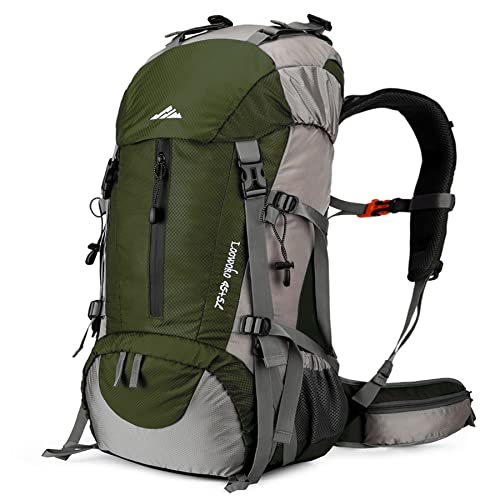
Camping Backpack Guide: Find Your Perfect Adventure Pack
From weekend trips to thru-hikes, the right camping backpack transforms your outdoor experience. Discover backpack types, capacity wisdom, fit fundamentals, and must-have features — all you need to pack smarter and trek farther.
Why Your Camping Backpack is the Heart of Your Gear Setup
A well-chosen camping backpack does more than carry your tent and stove — it distributes weight, protects your spine, and keeps essential items accessible. Whether you're planning a short car camping adventure or a backpacking expedition, your pack determines comfort, endurance, and overall enjoyment. Overlooking backpack selection often leads to sore shoulders, disorganized gear, and preventable fatigue. This guide walks you through everything from capacity (liters) to suspension systems, helping you invest in a pack that will serve you for years. Explore our full camping gear collection to complement your backpack.
Types of Camping Backpacks: Match Your Adventure Style
🎒 Daypacks (20–35L)
Perfect for summit hikes, day trips, or as a lightweight carry-on. Holds a water reservoir, snacks, camping lantern, and rain jacket. Great for short hikes from basecamp.
$50–$150🏕️ Weekend / Overnight (40–55L)
Ideal for 1–2 night trips. Carries camping tent, sleeping bag, cooking gear, and extra layers. Lightweight but spacious enough for minimalist campers.
$120–$280⛰️ Multi-Day Backpack (60–75L)
The sweet spot for 3–5 day treks. Room for a camping stove, food, camping cooler (compact), clothing, and extra gear. Most popular among thru-hikers.
$200–$400🧗 Expedition Pack (80L+)
Designed for extended wilderness journeys, winter trips, or carrying group gear. Includes heavy-duty suspension and large volume for winter camping gear and technical equipment.
$350–$700+When selecting your camping rucksack, consider not just trip length but also seasons. For winter outings, extra insulation and bulkier items require a larger capacity. For fastpacking or solo camping, a 40–50L pack often suffices.
Choosing the Right Capacity: Liters & Load
Capacity is measured in liters (L). A common mistake is buying too small or ridiculously oversized. Use this quick guide based on trip duration:
- 1–2 nights: 40–55L — holds shelter, sleep system, cook kit, food, and minimal clothing.
- 3–5 nights: 60–70L — extra food, warmer layers, camping pillow, power bank.
- 5+ nights or winter: 75L+ — bulkier sleeping bags, snow gear, camping heaters or extra fuel.
If you plan to combine a camping hammock and a tent, or carry camera equipment, aim for the higher end of the range. For lightweight backpacking, consider ultralight packs (sub-2.5 lbs) with 40–50L capacity — but ensure they can handle the load without sacrificing comfort.
Perfect Fit: Torso Length, Hip Belt & Suspension
Fit is non‑negotiable. A poorly fitted backpack causes neck pain, chafing, and fatigue. Most modern packs come in sizes (S/M/L) based on torso length — not your height. Measure from your C7 vertebra (bony bump at base of neck) down to your iliac crest (top of hip bones).
Key fit components:
- Hip belt: Should wrap around your iliac crest, carrying 70–80% of the weight. Pads should be snug but not restrictive.
- Shoulder straps: Contoured and padded, they should curve around your armpits without gaping.
- Load lifters: Small straps on top of shoulders; adjust to bring the pack closer to your back and relieve pressure.
- Frame type: Internal frames (most common) offer stability; external frames provide old‑school ventilation for heavy loads.
Want to upgrade camping comfort? Pair your backpack with a quality camping chair for rest breaks and a camping mat for restorative sleep. For navigation, reliable camping navigation apps help you stay on track.
Materials & Weather Resistance: Built for the Wilderness
Your camping backpack must withstand abrasion, rain, and UV exposure. Common fabrics:
- Nylon (210D–500D): Lightweight and durable; 500D+ for heavy‑duty abrasion resistance.
- Polyester: Better UV resistance, slightly heavier.
- Ripstop weave: Prevents tears from spreading. Essential for off‑trail travel.
- DWR coating: Repels light rain; always pack a separate rain cover or pack liner for rainy season checklist.
For primitive camping adventures or dense bushwhacking, reinforced bottom panels (ballistic nylon) are a lifesaver. If you camp in rocky areas, a pack with thick fabric prevents punctures.
Must-Have Features for Modern Camping Backpacks
🎒 Hydration Compatibility
Sleeve for a hydration reservoir (2–3L) + hose port. Stay hydrated without stopping.
🔗 Attachment Loops & Daisy Chains
Clip trekking poles, camping tarp, or extra shoes externally.
⚙️ Compression Straps
Stabilize load and reduce pack volume when not full — vital for scrambling or balance.
🧰 Access Options
Top lid, U‑zip, or panel loading. Top‑loaders are lighter; panel zips offer easy access.
Advanced features: removable daypack lid, sleeping bag compartment, trekking pole attachments, and integrated rain covers. If you rely on camping technology like solar chargers or power banks, look for external USB port passthrough (though waterproofing is key).
How to Pack Your Camping Backpack Like a Pro
Even the best camping bag fails if poorly packed. Follow these layering principles for balanced weight and accessibility:
- Bottom layer (sleep gear): Sleeping bag, camping blanket, and sleep clothes. Lightest items go here.
- Middle layer (heavy items): Tent body, camping stove, food, and cookware against your spine (center of gravity).
- Top layer: Rain gear, first‑aid kit, snacks, and a lantern for quick access.
- Pockets & lid: Sunscreen, maps, headlamp, multi‑tool, and camping first aid kit for urgent needs.
Before setting out, do a “bounce test” — the pack should move as one unit without excessive sway. Adjust straps as you hike; small tweaks make a huge difference over miles.
Backpack Maintenance: Extend the Life of Your Gear
A quality camping backpack can last a decade with proper care. After each trip, empty all pockets, shake out dirt, and hang to dry. Avoid machine washing — instead spot‑clean with mild soap and a soft brush. For muddy or salty trips, rinse zippers and buckles with fresh water. Store your pack loosely in a cool, dry place away from direct sunlight. Lubricate zippers (zipper wax or silicone spray) annually. Inspect seams and strap attachments; early repair prevents field failures. If you camp in extreme conditions, consider a winter camping specific pack with beefier zippers and fabric.
For organization between seasons, keep a ultimate camping packing list inside the pack so you're always ready for spontaneous trips.
Ready to Choose Your Ideal Camping Backpack?
Your perfect backpack sits at the intersection of capacity, fit, durability, and features. Whether you prefer a streamlined 45L for fastpacking or a robust 70L for family camping, prioritize comfort above all. Use in-store fitting services or follow online measuring guides. Pair your new pack with reliable shelter, cooking gear, and navigation tools. For additional insights, browse our camping FAQ and camping styles resources. The right backpack turns a heavy load into a liberating adventure — gear up and explore the wild with confidence.