Solo Camping: The Ultimate Guide to Going Alone
Master the art of camping alone with confidence, safety, and the right gear. Perfect for beginners and seasoned adventurers seeking solitude in nature.
Jump to Gear Guide →✨ Freedom & Self-Reliance: Solo camping offers unmatched tranquility, personal growth, and the chance to reconnect with nature on your own terms. Whether you're a first-timer or a seasoned backpacker, this guide provides everything you need — from solo camping checklist to advanced safety protocols.
Why Choose Solo Camping?
Camping alone isn't just about escaping crowds; it's a transformative experience. You set your own pace, choose your campsite without compromise, and build unshakable self-confidence. According to recent outdoor trends, solo travel in nature reduces stress, boosts creativity, and improves problem-solving skills. For those wondering is camping alone safe — with proper preparation, it's absolutely safe and rewarding.
Essential Solo Camping Gear (Lightweight & Compact)
When you’re alone, every ounce counts. Your gear must be reliable, easy to handle, and multi-functional. Below is a curated list of must-have equipment for solo trips, from shelter to cooking.
🏕️ Shelter & Sleep
- 1-2 person camping tent – lightweight, quick pitch
- Compact camping cots or sleeping pad
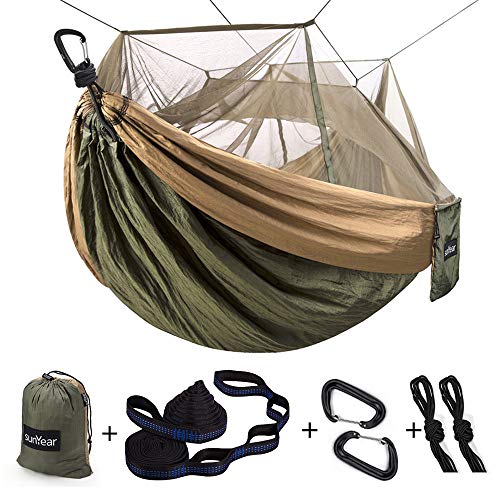
- Camping hammock (alternative to tent)
- Ultralight camping pillow
- Insulated camping blanket
🍳 Cooking & Hydration
- Compact solo camping stove (e.g., MSR PocketRocket)
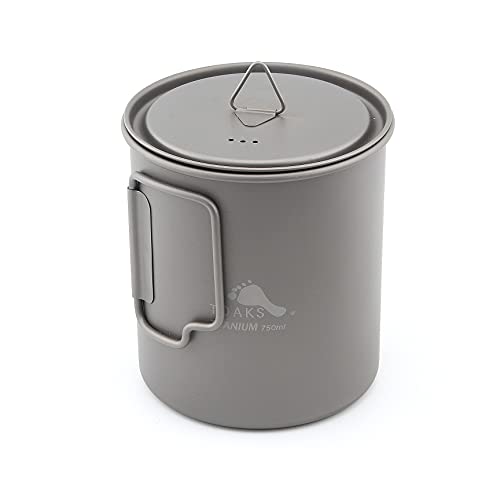
- Lightweight cookware set
- Multi-tool utensil
- Small personal cooler (for short trips)
- Portable water filter
🔦 Lighting & Power
🎒 Bags & Organization
For complete packing details, refer to our Ultimate Camping Packing List and Solo Camping Checklist (printable PDF available).
Safety First: Solo Camping Protocols
Being alone means you’re responsible for your own safety. Proactive planning prevents 90% of emergencies. Key areas include wildlife awareness, first aid, and communication.
| Risk Factor | Preparation / Solution |
|---|---|
| Wild Animals (bears, mountain lions) | Proper food storage (bear canister or hanging), bear spray, bear safety protocol. |
| Getting Lost | Carry handheld GPS + offline maps, share itinerary with family, satellite communicator recommended. |
| Medical Emergencies | Solo first-aid kit including blister care, antiseptic, and personal meds. Know wilderness first aid basics. |
| Weather Extremes | Monitor weather alerts, pack layers, know signs of hypothermia and heatstroke. |
| Fire Safety | Follow campfire safety rules, never leave fire unattended, know fire bans in the area. |
Additionally, invest in a PLB (personal locator beacon) or satellite phone for remote trips. Always tell someone your return date and exact location.
Top Solo-Friendly Camping Destinations
Not all campgrounds are ideal for solo campers. Look for well-marked trails, cell signal (if desired), and friendly ranger stations. Here are top picks in the US:
- Yosemite National Park – designated solo campsites, shuttle system.
- Rocky Mountain National Park – excellent signage and ranger programs.
- Joshua Tree Camping – unique desert solitude, group sites available.
- Smoky Mountains Camping – many walk-in sites for solo adventurers.
- State Park Camping – often safer, with amenities and staff nearby.
Explore more camping destinations and best camping spots for solo travelers.
Expert Tips for a Successful Solo Trip
🏕️ At Camp
- Set up tent early – never after dark.
- Keep campsite tidy to avoid attracting wildlife.
- Introduce yourself to neighboring campers (emergency contact).
- Use a lightweight camping chair for comfort.
📱 Tech & Navigation
- Download offline maps + navigation apps.
- Carry a two-way radio if no cell service.
- Use camping apps for weather and trail updates.
🍽️ Food & Cooking
- Plan no-cook meals or simple one-pot recipes.
- Use compact camping kitchen setup.
- Store food in cooler + bear-resistant container.
Emergency Response When You're Alone
If you face an emergency: stay calm, prioritize shelter, water, and signal. Learn the universal SOS signals (three whistle blasts, three flashes). Keep a printed map and emergency communication device within reach. For non-life-threatening issues like twisted ankle, use your first aid kit and hike out slowly. For serious injuries, activate your PLB or satellite messenger.
Read our full emergency preparedness guide and what to do if lost for solo campers.
Respect Nature & Regulations
Solo camping doesn't mean leaving a footprint. Adhere to Leave No Trace principles: pack out all trash, minimize campfire impact, respect wildlife. Check BLM camping rules or National Park rules before departure. Always verify campfire regulations and quiet hours if staying at developed campgrounds.
Frequently Asked Questions (Solo Camping)
Is camping alone scary?
It can be at first, but with preparation and starting at popular campgrounds, most people find it liberating. Bring a book, podcasts, or a journal to ease into solitude.
What size tent for solo camping?
A 2-person tent is ideal for extra gear space without being too heavy. 1-person tents are ultralight but cramped.
Can I camp alone as a woman?
Absolutely. Many women solo camp safely. Choose well-lit campgrounds, share your location, carry personal defense (bear spray works), and trust your instincts.
📌 Ready to go solo? Start with a one-night trip close to home. Use our solo camping checklist, pack the right gear from recommendations below, and embrace the adventure. Camping alone builds resilience and creates unforgettable memories.