Winter Tents: Ultimate 4-Season & Hot Tent Guide
Stay warm, safe, and comfortable in sub-zero conditions. Master the art of choosing the perfect winter shelter for snow camping, mountaineering, or cold-weather family trips.
What Makes a Winter Tent Different?
A standard camping tent is designed for mild weather, but winter tents (also called 4-season tents) are engineered to withstand heavy snow loads, fierce winds, and freezing temperatures. Unlike 3-season tents that prioritize ventilation and light weight, winter tents feature sturdy poles, reinforced fabrics, and aerodynamic shapes that shed snow rather than collapsing. Whether you're planning a backcountry ski tour or a cozy hot tent camping trip with a wood stove, choosing the right winter shelter is the most critical safety decision you'll make.
Most winter campers rely on two main categories: expedition / mountaineering tents (built for extreme alpine conditions) and hot tents (canvas or synthetic shelters with stove jacks for wood-burning stoves). Your choice depends on your camping styles — lightweight fastpacking demands a compact geodesic tent, while basecamp winter fishing benefits from a spacious heated tent. This guide breaks down everything you need to know before investing in a winter shelter, with real-world price references and essential features.
4-Season vs Hot Tents: Which Is Right for You?
🏔️ 4-Season / Expedition Tents
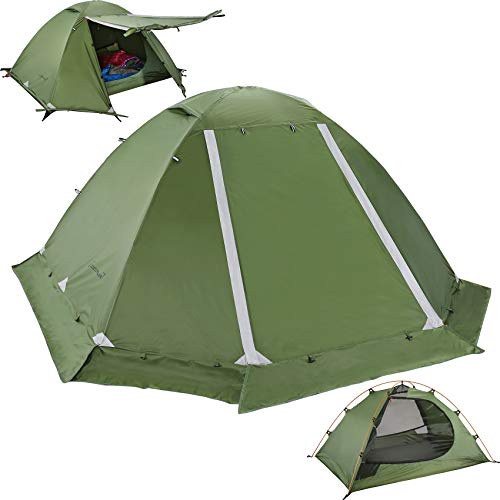
Designed for high winds and snow loads. Dome or geodesic shapes, DAC/aluminum poles, ripstop nylon or polyester with taped seams. Minimal mesh for heat retention. Ideal for mountaineering, winter backpacking, and alpine climbing. Popular models: Hilleberg, MSR Access, Mountain Hardwear Trango.
Pros: Lightweight (compared to canvas), fast setup, bombproof in storms. Cons: Condensation risk, less living space, no stove compatibility.
🔥 Hot Tents (Stove-Compatible)
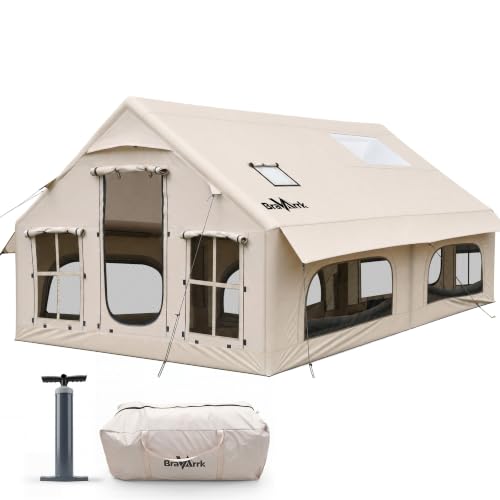
Canvas or heavy poly-cotton shelters with a stove jack opening. Designed for wood-burning stoves, keeping interior toasty even at -20°F. Spacious floor plans, often pyramid or wall-tent style. Perfect for basecamp, ice fishing, or family winter glamping.
Pros: Comfortable heat, dry clothing, cook inside. Cons: Heavy (30–60 lbs), requires firewood and safety precautions, longer setup.
For most recreational winter campers, a 4-season tent works well for weekend trips. However, if you plan to stay multiple nights in extreme cold or enjoy winter camping with kids, a hot tent transforms the experience. Many advanced campers eventually own both: a lightweight 4-season tent for backpacking and a hot tent for car camping or stationary camps.
Critical Winter Tent Features Compared
| Feature | Why It Matters | What to Look For |
|---|---|---|
| Pole System | Snow load can exceed 30 lbs per sq ft. Weak poles snap. | Aluminum 7000-series, DAC Featherlite, geodesic or multi-hub designs. Number of crossing points = strength. |
| Fabric Denier / Material | Thicker fabric resists tearing and UV degradation. | Minimum 40D ripstop nylon for fly, 70D+ floor. Canvas hot tents: 8–10 oz polycotton. |
| Ventilation & Condensation | Moisture from breath freezes inside, wet gear loses insulation. | High-low vents, mesh panels that can be closed, roof vents. Double-wall tents reduce condensation better. |
| Snow Skirts / Valances | Prevents snow from blowing under the fly. | Removable or integrated perimeter skirts. Some tents have adjustable straps to pile snow on edges. |
| Stove Jack (for hot tents) | Allows safe wood stove installation. | Heat-resistant silicone or fiberglass jack. Diameter 4–5 inches. Reinforced stitching. |
How to Choose a Winter Tent: Use Case Guide
Your decision should start with how and where you’ll use the tent. Here’s a practical breakdown:
- Backcountry skiing / mountaineering: Choose a lightweight geodesic 4-season tent under 6 lbs. Examples: MSR Access 2 (~$600) or Black Diamond Eldorado (~$550).
- Car camping / basecamp winter family trips: A large hot tent like Luxe Octopeak ($400–$700) or White Duck Outfitters canvas tent ($800–$1,200) with a stove jack.
- Extreme high-altitude expeditions: Bombproof expedition tents like Hilleberg Nallo GT ($1,100–$1,400) with continuous pole sleeves.
- Solo winter minimalist: 2-person 4-season tents (extra space for gear), price range $350–$700.
Also consider your winter camping gear overall: a heavy tent demands a sled or pulk for transport. For snow camping Alaska expeditions, weight becomes secondary to structural integrity. Always pair your tent with an appropriate winter sleeping bag and insulated sleeping pad.
Top Winter Tents on the Market (Price & Overview)
Hilleberg Nallo GT 3
Swedish-made 4-season tunnel tent. Exceptional snow-shedding, weighs ~6 lbs 9 oz. Best for Arctic expeditions and windy plateaus.
MSR Access 2
Lightweight 4-season, designed for winter backpacking. Easton Syclone poles resist breaking. Weight: 3 lbs 12 oz (minimum).
Luxe Octopeak Hot Tent
Pyramid-style hot tent with stove jack. Fits up to 4 people. Polyester fabric, 6 lbs 10 oz (stove not included).
White Duck Regatta Canvas
Heavy-duty 10 oz polycotton, stove jack ready. Spacious 10x10ft, excellent for family basecamp. Weighs 48 lbs — car camping only.
Mountain Hardwear Trango 2
Classic mountaineering tent. Dual vestibules, geodesic design, holds snow loads up to 30 inches. Weight 8 lbs 12 oz.
OneTigris Iron Wall Tent
Budget hot tent with stove jack. 4-person capacity, fire-retardant canvas. Entry-level winter camping solution.
Winter Tent Setup: Snow Anchors & Safety
Setting up a tent in snow requires different techniques than summer camping. Standard stakes won't hold — you need deadman anchors (stuff sacks filled with snow, buried), snow stakes (wide aluminum "snow pegs"), or ski poles. Always dig out a platform before pitching to create a flat, insulated area. For hot tents, position the stove away from walls and use a spark arrestor.
Additional critical winter safety measures: never cook inside a non-stove tent (carbon monoxide risk), clear snow from tent walls regularly to avoid suffocation, and always carry an emergency winter emergency kit. Familiarize yourself with avalanche safety if camping in steep terrain, and check winter weather alerts before departure. A proper winter tent is your lifeline — practice pitching at home before your trip.
❄️ Pre-Trip Winter Tent Checklist
- Inspect poles for cracks or bends
- Seam-seal the fly (if not factory taped)
- Pack extra guyline and snow stakes
- Bring a repair sleeve + duct tape
- Practice deadman anchor technique
- Test stove jack seal (for hot tents)
- Check ventilation settings
- Waterproof zippers with wax lubricant
Managing Condensation & Internal Temperature
Condensation is the #1 complaint in 4-season tents. When warm moisture from breathing hits cold tent fabric, it freezes and then melts onto your gear. To reduce this: use a double-wall tent, keep vents fully open (even at -10°F), and never seal the tent completely. For hot tents, dry heat from a wood stove eliminates condensation entirely — one reason many switch to canvas. Additionally, using a camping blanket or vapor barrier liner inside your sleeping bag can prevent moisture buildup.
If you experience persistent frost inside the tent, wipe it down with a microfiber cloth before packing. Many winter specialists recommend using a camping mat with high R-value (R5+) underneath to insulate from frozen ground. For extreme cold (-20°F and below), consider layering closed-cell foam pads under an inflatable pad for maximum warmth.
Winter Tents on a Budget: What to Expect Under $400
Quality winter tents are expensive, but entry-level options exist. The OneTigris Iron Wall ($330) gives you a stove-compatible hot tent, though canvas weight is high. For 4-season trekking, Naturehike Mongar 4-season (~$260) offers aluminum poles and snow skirts, but durability is lower. Avoid "all-season" cheap dome tents — they lack sturdy pole geometry. Our advice: buy used from reputable brands (MSR, Hilleberg, TNF) on gear exchange sites. Prioritize a solid shelter over any other winter gear; a tent failure in a blizzard is life-threatening.
Also consider pairing a budget tent with a high-quality winter camping heater (if hot tent compatible) or upgrading your sleeping system. Remember that your winter tent is an investment — a good one lasts over a decade.
Frequently Asked Questions About Winter Tents
Can I use a 3-season tent in winter?
Only in mild, snow-free conditions. Mesh panels cause heat loss, and poles can snap under snow loads. For temps below 20°F, always use a 4-season tent.
Are hot tents safe with a wood stove?
Yes, when using a stove jack, spark arrestor, and proper clearance. Monitor CO with a battery-operated detector. Never fall asleep with a roaring fire unsupervised.
How much snow can a winter tent hold?
Quality 4-season tents withstand 10–15 lbs per square foot (approx 12–24 inches of fresh snow). Heavy wet snow is more dangerous; brush off accumulation frequently.
What is the best material for winter tents?
Nylon 6.6 or polyester with silicone coating for 4-season. Canvas poly-cotton (8–10 oz) for hot tents — breathable and durable, but heavy.
🎯 Ready to brave the cold? A quality winter tent is the heart of your cold-weather camping setup. The models listed above represent the best in each category — from lightweight mountaineering shelters to luxurious hot tents. Scroll down to see our hand-picked winter tent recommendations from Amazon, with live prices and real user reviews. Get the right shelter and transform winter camping from survival mode into pure joy.