Camping First Aid Kit: Your Essential Guide to Wilderness Medical Preparedness
Be prepared for cuts, burns, sprains, and emergencies. Learn exactly what medical supplies you need for a safe outdoor adventure.
Every seasoned outdoor enthusiast knows that a well-stocked camping first aid kit is not just an accessory—it's a lifeline. Whether you're embarking on a weekend car camping trip or a multi-day backpacking expedition, having the right medical supplies can mean the difference between a minor inconvenience and a serious emergency. This guide will walk you through everything you need to build or buy the perfect first aid kit for any camping scenario.
Why a Specialized Camping First Aid Kit?
Unlike a standard home first aid kit, camping environments expose you to unique risks: remote locations far from hospitals, unpredictable weather, wildlife encounters, and rugged terrain. A wilderness first aid kit must account for extended care, severe bleeding control, fracture stabilization, and environmental injuries like hypothermia or heatstroke. According to outdoor safety experts, over 60% of camping injuries are minor cuts and scrapes, but the remaining 20% involve sprains, burns, and allergic reactions requiring immediate attention.
Wilderness Medicine Principle: In remote settings, you are your own first responder. Your first aid kit should enable you to treat injuries and sustain a patient for 24-48 hours until professional help arrives. Always pair your kit with emergency communication devices like a satellite messenger or PLB.
Essential Components of a Camping First Aid Kit
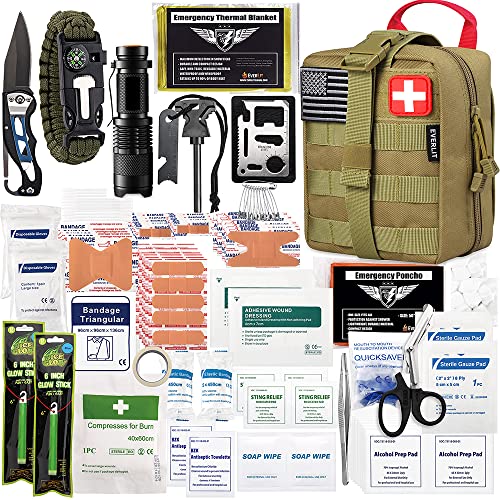
The best camping first aid kits are organized, lightweight, and tailored to your trip's length and risk level. Below is a comprehensive checklist based on recommendations from wilderness medicine experts and organizations like the Red Cross.
✅ Wound Care & Bleeding Control
- Assorted adhesive bandages (various sizes)
- Gauze pads (2x2, 4x4) - sterile
- Roller gauze (2" and 3")
- Medical tape (cloth or paper)
- Trauma shears
- Hemostatic dressing or tourniquet (for severe bleeding)
- Antiseptic wipes (alcohol or benzalkonium chloride)
- Antibiotic ointment (bacitracin or Neosporin)
- Sterile saline solution (for wound irrigation)
- Moleskin or blister treatment pads
✅ Medications & Treatments
- Ibuprofen (pain & inflammation)
- Acetaminophen (fever & pain)
- Antihistamines (Benadryl for allergic reactions)
- Anti-diarrheal (loperamide)
- Antacids
- Electrolyte powder packets
- Prescription medications (personal supply)
- Epinephrine auto-injector (if you have known severe allergies)
✅ Splints & Fracture Management
- Sam splint or foldable splint
- Elastic bandage (ACE wrap)
- Triangular bandage (for sling or swathe)
- Finger splints
✅ Tools & Diagnostics
- Digital thermometer
- Tweezers (fine-tip for splinters/ticks)
- Tick removal tool
- CPR face shield or mask
- Nitrile gloves (2-3 pairs)
- Small notepad & pencil (to record vitals)
- Headlamp or mini flashlight (hands-free lighting)
- Emergency blanket (space blanket for shock/hypothermia)
✅ Special Considerations for Camping
- Burn gel or hydrogels (for campfire burns)
- After-bite sticks or hydrocortisone cream (insect bites)
- Poison ivy/oak wipes (tecnu or similar)
- Water purification tablets (in case of dehydration emergency)
- Whistle & signal mirror (part of emergency preparedness)
Pre-built vs. DIY: Which First Aid Kit Should You Choose?
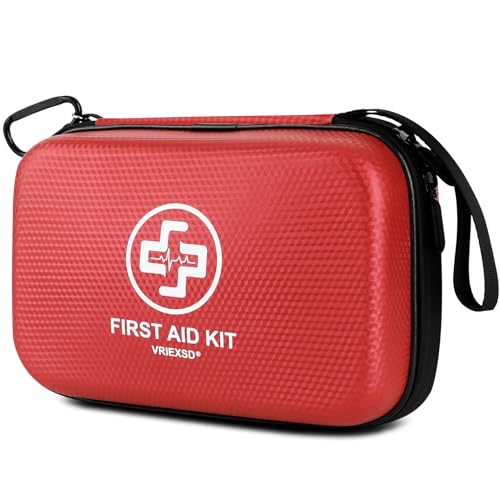
When shopping for a camping first aid kit, you have two primary options: purchase a pre-assembled commercial kit or build your own custom kit. Pre-built kits from reputable brands like Adventure Medical Kits, Surviveware, or MyMedic offer convenience and professional organization. They often come in waterproof bags with labeled compartments, saving you time. However, DIY kits allow you to personalize contents based on your specific needs (e.g., extra allergy meds, specific blister care). Many experienced campers start with a pre-built kit and then supplement it with additional items such as a specialized trauma shears or extra gauze.
Whichever route you choose, ensure your kit is durable, waterproof, and easily accessible. A small camping backpack pocket or a dedicated stuff sack is ideal. For group or family camping, consider a larger kit with duplicate supplies. Solo campers may prefer ultralight mini kits weighing under 8 ounces.
Comparison: Top Camping First Aid Kits (Price & Features)
| Kit Model | Best For | Weight | Key Features | Price Range |
|---|---|---|---|---|
| Adventure Medical Kits Ultralight .7 | Solo backpackers | 7 oz | Basic wound care, blister kit, 20+ items | $25–$35 |
| Surviveware Survival First Aid Kit | Family car camping | 1.5 lbs | MOLLE compatible, 100+ pieces, trauma shears, tourniquet | $45–$60 |
| MyMedic The Solo First Aid Kit | Day hikers & climbers | 10 oz | Compact, includes QuikClot, CPR mask, organized layout | $70–$90 |
| REI Co-op First Aid Kit (Weekender) | Weekend car campers | 1.2 lbs | Balanced, 85 pieces, easy to restock | $35–$45 |
| Homemade Pro Kit (DIY) | Custom needs/allergies | Variable | Tailored prescriptions, splint, advanced meds | $50–$120+ |
Prices reflect current market averages. Always check for updated models and verify contents before purchase.
How to Use Your Camping First Aid Kit: Common Scenarios
Having the right camping first aid kit is only half the battle—you need to know how to use it effectively. Below are common camping injuries and the appropriate response:
🩹 Cuts & Scrapes
Clean the wound with antiseptic wipes or saline. Apply antibiotic ointment, cover with sterile gauze or adhesive bandage. For heavy bleeding, apply direct pressure with gauze and consider a tourniquet only if life-threatening. Always monitor for signs of infection (redness, swelling, pus).
🔥 Burns from Campfire or Stove
Run cool water over the burn for 10–15 minutes (never ice). Apply burn gel or hydrogel dressing, then cover loosely with non-stick gauze. Seek medical attention for burns larger than palm size or on face/hands. Review campfire safety rules to prevent incidents.
🦟 Insect Bites & Stings
Remove stinger if present (scrape with credit card). Apply antihistamine cream or take oral Benadryl for allergic reactions. For tick bites, use fine-tip tweezers to grasp close to skin and pull upward steadily. Monitor for rash or flu-like symptoms (possible Lyme disease). Learn more about mosquito and bug protection for prevention.
🦴 Sprains & Fractures
Rest, Ice (if available), Compression with elastic bandage, Elevation. Use a Sam splint or folded sleeping pad to immobilize the injury. Triangular bandage serves as a sling for arm fractures. Never attempt to realign a deformed bone. Evacuate if unable to bear weight or obvious deformity.
Beyond the Kit: First Aid Training & Emergency Planning
A fully stocked first aid kit is useless if you don't have the knowledge to apply it. Consider taking a Wilderness First Aid (WFA) or CPR course from organizations like NOLS, Red Cross, or SOLO. These courses teach patient assessment, wound cleaning in the backcountry, and evacuation decision-making. Additionally, always carry a satellite communicator or personal locator beacon (PLB) when camping in remote areas. Cell service is often unreliable, and being able to call for help is essential for life-threatening emergencies.
Pro Tip: Before every camping trip, check your first aid kit for expired medications, used supplies, and damaged packaging. Restock immediately after each adventure. Store your kit in a dry, cool place away from direct sunlight to preserve adhesive and medication potency.
Integrating First Aid with Overall Camping Safety
First aid preparedness goes hand-in-hand with other safety measures. For instance, bear safety prevents animal encounters that could lead to trauma. Understanding lightning safety helps you avoid electrical injuries. Knowing how to treat heatstroke and hypothermia addresses environmental emergencies. Your first aid kit is just one part of a comprehensive safety system that also includes proper food storage, campsite selection, and weather monitoring.
For families, involve older children in basic first aid practice. Use your camping first aid kit as a teaching tool for wound cleaning and bandaging. Carry a separate mini kit in your daypack when hiking away from base camp. Remember the acronym "FAST" for gear checks: Frequent checks, Accessibility, Supplies expiration, and Training updates.
Now that you know what to look for, it's time to choose or build your ideal camping first aid kit. The products recommended below have been carefully selected based on real-world reviews, durability, and comprehensive contents. Whether you need an ultralight option for backpacking or a family-sized kit for RV camping, these kits will keep you safe on the trail.