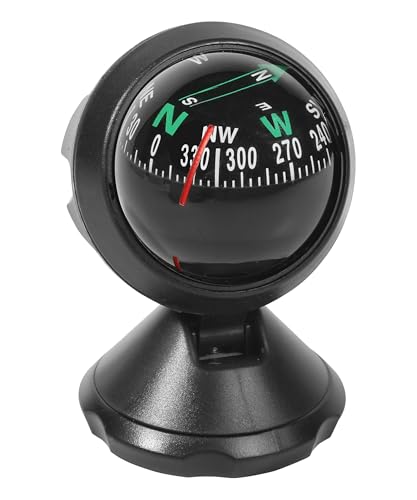
Digital Compass Guide: Navigate Wilderness with Confidence
Master modern navigation: from smartphone compasses to handheld GPS devices. Learn how to choose, use, and trust digital compasses for hiking, backpacking, and camping.
Why a Digital Compass Matters for Outdoor Safety
While traditional compasses are reliable, digital compasses offer real-time direction, integration with maps, and advanced features like altitude, GPS coordinates, and route tracking. Whether you’re exploring backcountry trails or car camping in unfamiliar forests, a digital compass ensures you never lose your way. Modern smartphones include built-in magnetometers, but dedicated devices provide enhanced accuracy and durability. This guide breaks down everything you need—from core features to top recommendations—so you can navigate like a pro.
Types of Digital Compasses: Which One Suits You?
📱 Smartphone Compass
Best for casual hikersBuilt-in magnetometer + GPS. Works with apps like Google Maps, Gaia GPS, or Komoot. Convenient but susceptible to battery drain and magnetic interference.
⌚ GPS Watch with Compass
Best for athletes & backpackersGarmin, Suunto, Coros. Combines compass, altimeter, barometer, and GPS tracking. Long battery life (20+ hours). Lightweight and wearable.
🗺️ Handheld GPS Unit
Ultimate reliabilityDedicated devices like Garmin GPSMAP series. Rugged, waterproof, excellent satellite reception, and preloaded topographic maps. Ideal for remote expeditions.
🧭 Digital Compass (Standalone)
Simple & durableSmall keychain or wrist digital compass with LCD display. No GPS, just bearing. Extremely power-efficient and shockproof. Great as emergency backup.
For most campers, a smartphone with offline maps plus a power bank is sufficient for day trips. If you frequently hike off-trail or in deep wilderness, consider a dedicated GPS unit or GPS watch. Explore our best camping navigation apps for detailed software recommendations.
Key Features: What to Look For in a Digital Compass
When researching digital compasses or GPS devices, prioritize these features for backcountry reliability:
- Magnetometer Accuracy: Ensure minimal deviation (within 2–3 degrees). Calibration capability is essential.
- GPS & GLONASS Support: Dual satellite systems improve lock speed and accuracy under tree cover or canyons.
- Battery Life: For multi-day trips, look for devices with ≥ 20 hours (GPS mode) or replaceable batteries (AA/AAA).
- Offline Topo Maps: Preloaded or downloadable maps with contour lines, trails, and water sources.
- Weather Resistance: Minimum IPX7 (waterproof for 30 min submersion) for rainy conditions.
- Altimeter & Barometer: Helps predict weather changes and track elevation gain.
For serious adventurers, devices with satellite communicators (like Garmin inReach) add two-way messaging and SOS, a game-changer for remote camping. Pairing a digital compass with a high-capacity power bank ensures you never run out of juice.
Top Recommended Digital Compasses & GPS Units (2026)
Based on expert reviews and user feedback, here are standout models for every budget and activity level. Prices reflect current market averages.
Garmin Instinct 2 Solar
Tactical GPS watch with solar charging, digital compass, barometric altimeter, and multi-GNSS support. Unbeatable battery (unlimited with sun). Perfect for winter camping and long treks.
Garmin GPSMAP 67i
Handheld GPS with inReach satellite communication, preloaded TopoActive maps, and 3-axis compass. Ideal for backcountry hunters and expedition campers.
Suunto Core
Outdoor digital compass watch with altimeter, barometer, and storm alarm. No GPS but extremely reliable magnetic compass. Great for minimalist navigators.
Brunton TruArc 3
Compact digital compass with declination adjustment and backlit display. Not GPS but ultra-light emergency tool for backpacking. Affordable and durable.
All these options integrate seamlessly with camping technology ecosystems. For smartphone users, consider the Gaia GPS or CalTopo apps (annual subscription $20–$40) which transform your phone into a professional-grade navigation tool. However, always carry a backup — read our GPS vs smartphone comparison to decide your primary device.
Step-by-Step: Using a Digital Compass on the Trail
1. Pre-Trip Preparation
Download offline maps for your destination (Google Maps offline or Gaia GPS). Calibrate your device’s compass away from metal. Fully charge batteries and bring a power bank. Study your route using weather alerts and terrain info.
2. Setting a Bearing
On most digital compass apps/devices, you can lock a bearing to a landmark or waypoint. For example, in Gaia GPS, tap a location on the map and select “Navigate To” — the compass arrow guides you. For a standalone digital compass, orient the device until the heading matches your desired direction (e.g., 270° West).
3. Cross-Referencing with Physical Map
Even with digital, practice map triangulation: identify two landmarks (peaks, lakes), take bearings, and draw lines on your paper map. This confirms your position. Our wilderness first aid guide also emphasizes navigation skills in emergencies.
4. Managing Battery & Environmental Factors
Extreme cold drains batteries quickly — keep devices close to your body. Snow and dense forest can weaken GPS signals; combine with a traditional compass. For deep winter, see how to stay warm in winter and use lithium batteries.
Smartphone vs Dedicated GPS: Which Navigation Tool Wins?
This debate is common among campers. Here’s a quick comparison to help you choose based on your typical adventures.
| Feature | Smartphone + App | Handheld GPS Unit |
|---|---|---|
| Battery life (continuous navigation) | 6–12 hours | 20–40 hours (or replaceable batteries) |
| Map quality & updates | Excellent, frequent updates via app store | Preloaded topo, less frequent updates |
| Ruggedness / waterproof | Requires protective case (IP68 rare) | IPX7 or military standard, shockproof |
| Additional features | Camera, communication, offline music | Satellite messaging (select models), barometer |
Conclusion: For day hikes and car camping, a smartphone with a portable power station is cost-effective. For multi-day backcountry trips or winter conditions, invest in a dedicated GPS unit. Many experienced hikers carry both. Learn essential camping communication devices for full connectivity.
Best Digital Compass Apps for Campers
Turn your phone into a powerful navigation hub with these top-rated apps (available for iOS and Android):
- Gaia GPS: Gold standard for backcountry navigation. Offline topo maps, route planning, and live tracking. Subscription $39.99/year.
- Komoot: Ideal for hiking and cycling. Voice navigation and detailed trail highlights. Free basic version; region maps from $3.99.
- Google Maps (Offline): Great for car camping and well-marked trails. Not for off-trail navigation. Free.
- PeakFinder AR: Augmented reality compass that identifies mountain peaks – perfect for sky camping and scenic orientation.
- Compass 360 Pro: Simple digital compass with military-grade precision, declination adjustment, and GPS coordinates.
Remember to download maps before losing cell service. Pair these with a solar charger for unlimited power on extended trips. Also read our best camping apps overview for weather and campsite finders.
Digital Compass Care & Common Pitfalls
Extend the life of your navigation gear and avoid getting lost:
- Magnetic Interference: Keep digital compass away from knives, speakers, power banks, and metal watch bands. Even a phone case with magnets can cause errors.
- Firmware Updates: Regularly update GPS devices and compass apps to fix bugs and improve satellite almanac.
- Battery Storage: Remove batteries if storing for months. Use lithium batteries for cold weather (see winter camping gear).
- Ignoring Declination: Many novices forget to set declination. Read your device manual — a 10° error equals 1 km off course over 6 km.
- Over-reliance on Tech: Practice Leave No Trace navigation ethics — always carry a paper map and button compass.
Frequently Asked Questions: Digital Compass for Camping
Does a smartphone compass work without cell service?
Yes. Smartphones have a magnetometer and GPS chip that function offline. However, you must download maps beforehand because map tiles require data. The compass arrow will still show bearing.
What’s more accurate: GPS compass or magnetic digital compass?
GPS provides direction based on movement (course over ground), which is less accurate when standing still. Magnetic digital compass (magnetometer) gives immediate heading but can be affected by local interference. Premium devices fuse both for best results. Check our best handheld GPS guide for accuracy comparisons.
Can I use a digital compass for primitive camping?
Absolutely — but choose a rugged, waterproof model with long battery life. The Garmin eTrex series or Suunto Core works well. Always supplement with traditional navigation skills.
How do I calibrate my phone’s digital compass?
Open Google Maps or a compass app, then move your phone in a figure-8 pattern 3-4 times until the accuracy becomes “high.” Calibrate before every significant hike.
Your Next Step: Navigate With Confidence
Mastering the digital compass transforms your outdoor experience from uncertain to empowered. Start by choosing a reliable device from our recommendations, practice calibration at home, then hit the trail. Remember, technology is a tool — not a substitute for preparation. Combine digital compasses with camping checklists and camping safety protocols for unforgettable, safe adventures.
Ready to upgrade your navigation kit? Explore the digital compass deals below and gear up for your next expedition.