Winter Emergency Kit: Essential Gear for Subzero Survival
Prepare for the unexpected with a comprehensive winter emergency kit. Whether you're winter camping, driving through mountain passes, or venturing into backcountry snow, this guide ensures you stay safe, warm, and alive when conditions turn extreme.
❄️ Why a Winter Emergency Kit is Non-Negotiable: Hypothermia can set in within minutes when temperatures drop below freezing and you're exposed to wind or moisture. A well-stocked winter emergency kit is your lifeline during unexpected vehicle breakdowns, sudden blizzards, or camping emergencies. Unlike summer gear, winter-specific items are designed to retain heat, block wind, and provide insulation even when wet.
What to Pack in Your Winter Emergency Kit
A proper winter emergency kit goes beyond a basic first aid pouch. Below is a comprehensive checklist divided into survival, thermal, navigation, and communication categories. Each item has been tested in sub-zero conditions by experienced winter campers and search-and-rescue professionals.
❄️ Ultimate Winter Emergency Checklist
Layering & Clothing: Your First Line of Defense
Even the best gear fails if you don't dress properly. The layering clothing winter system — base layer, mid layer, and outer shell — is critical for moisture management and heat retention. Avoid cotton at all costs; it becomes deadly when wet. Instead, choose merino wool or synthetic fabrics. For extremities, invest in winter boots camping rated to -30°F and mittens over gloves for better heat conservation.
When assembling your winter emergency kit, pack an extra set of thermal underwear, waterproof gloves, wool socks, and a balaclava. These items weigh little but can mean the difference between mild discomfort and life-threatening hypothermia. For deeper guidance, review our complete winter camping gear guide which covers insulation ratings and fabric technologies.
Vehicle vs. Camping Winter Emergency Kit: Key Differences
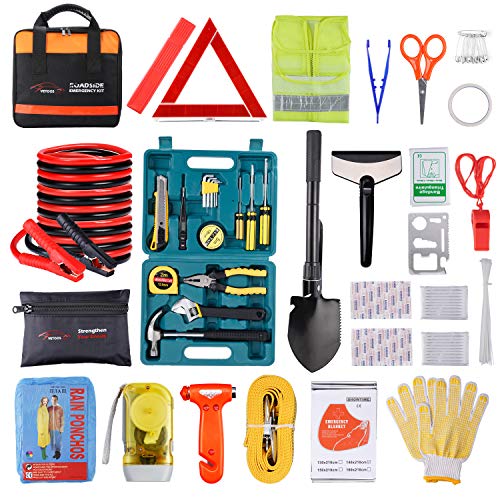
Many winter adventurers assume one kit fits all scenarios, but winter camping safety in remote wilderness differs significantly from roadside emergencies. For car-based travel, prioritize a lithium jump starter, tow strap, collapsible shovel, and sand or kitty litter for traction. For backcountry winter camping, your kit must include a winter tents repair kit, extra fuel for camping stoves, a snow saw for shelter building, and a camping heaters with carbon monoxide detector.
If you're planning multi-day winter expeditions, consider adding a portable power stations to recharge communication devices. According to the National Park Service, most winter emergencies result from a combination of cold exposure and inability to call for help. A satellite communicators or emergency beacons is worth its weight in gold when cell service vanishes.
📦 Winter Emergency Kit Tiers (Based on Trip Type)
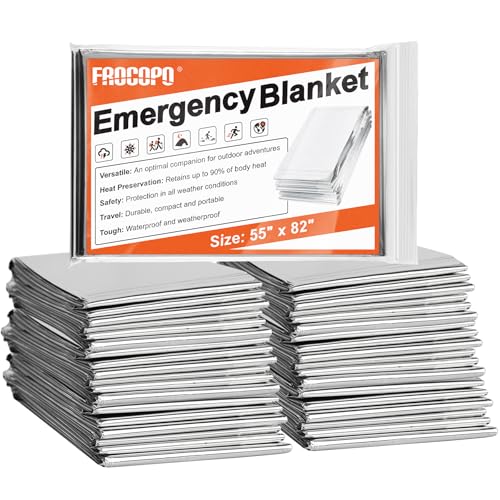
- • Mylar blanket & bivy
- • Hand warmers (6 pairs)
- • Headlamp + extra batteries
- • Energy bars (1,500 cal)
- • First aid + blood stopper
- • All Day Trip items +
- • Insulated sleeping pad (R5+)
- • Winter sleeping bag (-20°F)
- • Stove + isobutane fuel
- • Power bank or small solar charger
Medical Preparedness & Cold-Related Injuries
Frostbite and hypothermia are the two most common cold-weather emergencies. Your winter emergency kit must include a thermometer, chemical hot packs, and materials for a warming shelter. The camping first aid kit should be expanded with blister care, wound irrigation (saline), and a tourniquet — cold reduces blood flow, making injuries harder to treat. Learn the signs of hypothermia: uncontrollable shivering, confusion, slurred speech, and drowsiness. Immediate action includes moving to a dry area, removing wet clothing, and using body heat or a winter camping heaters for gradual rewarming.
For those venturing into avalanche terrain, never rely solely on a basic first aid kit. Add an avalanche beacon, probe, and shovel to your winter emergency kit, and complete avalanche safety training. Additionally, keep a list of emergency contacts and local search-and-rescue numbers laminated inside your kit.
Storage & Maintenance: Keep Your Kit Ready
A winter emergency kit is useless if gear is damaged or expired. Store everything in a waterproof, durable dry bag or hard-sided case. Lithium batteries perform better in extreme cold, but keep spares inside an inner pocket close to your body. Check your kit before every winter season: replace batteries, test your camping lantern or headlamp, and inspect sealed food packages for leaks. For portable fridges or coolers, ensure they are winter-rated — standard coolers freeze solid and crack.
Another overlooked item: a physical map and compass. Electronics fail in low temperatures. Our digital compass guide suggests carrying a backup analog compass and learning basic orienteering. Finally, practice using each piece of gear before you need it. Set up your emergency shelter in your backyard, melt snow with your stove, and test your two-way radios camping range in cold weather.
❄️ Real-World Scenario: A sudden whiteout on a Colorado mountain pass left 15 motorists stranded for 18 hours. Those who had a winter emergency kit with sleeping bags, hand warmers, and high-calorie food bars remained safe. Others without kits faced evacuations due to early hypothermia. Don't become a statistic — invest $100–$300 in a dedicated winter kit and refresh it annually.
If you are new to cold-weather camping, start by reading our winter camping checklist and how to stay warm winter guide. For families, the family camping checklist can be adapted with winter-specific insulation layers. And remember that leave no trace principles apply even in snow — pack out all hand warmers and food wrappers.