Maine Coast Camping: Oceanfront Adventures & Essential Gear
From the rocky shores of Acadia to quiet tidal inlets — expert tips, best campgrounds, and coastal camping gear you need.
Jump to Recommended Gear →🏕️ Why Maine Coast Camping? Rugged granite shores, fresh lobster rolls, foggy mornings, and stunning sunrises over the Atlantic. Camping here demands preparation: moisture-resistant tents, warm layers, and gear that handles sudden weather shifts. This guide combines destination know-how with the exact camping gear you need for a safe, memorable trip.
Top Campgrounds on the Maine Coast
🏞️ Acadia National Park – Blackwoods & Seawall
Acadia offers some of the most dramatic coastal camping in the US. Blackwoods campground is close to Bar Harbor and carriage roads, while Seawall provides a quieter, more rustic feel near thunder hole. Reserve well in advance (summer slots fill within minutes). Perfect for combining hiking and ocean views.
$30–$40/night🌊 Camden Hills State Park
Overlooking Penobscot Bay, this park features campsites with partial ocean views and access to Mount Battie. Ideal for families who want both coastline and forest. Don't miss sunrise from the stone tower. Check our family camping checklist before heading out.
$25–$35/night⛺ Hermit Island Campground (Phippsburg)
A hidden gem with walk-in sites right on the sand. Hermit Island offers primitive camping with unbeatable access to tide pools and small coves. Reservations open January 1st and sell out within hours. Bring a camping cot to stay above damp ground.
$40–$55/night🚐 Cobscook Bay State Park (Downeast)
Near the Canadian border, this park experiences some of the highest tides on the east coast. Excellent for kayaking and birdwatching. Quiet and less crowded than southern Maine. For RV campers, see our RV camping checklist for hookup tips.
$20–$30/nightEssential Gear for Maine Coast Camping
Coastal Maine means high humidity, fog, unexpected rain, and chilly evenings even in July. Standard camping equipment often falls short. Here's what seasoned oceanfront campers rely on:
🏕️ 3-Season Tent with Rainfly
Look for a tent with a full-coverage rainfly and taped seams. Fiberglass poles are fine, but aluminum resists salt corrosion better. A camping tent with good ventilation prevents condensation from coastal humidity. Models like the REI Half Dome or MSR Hubba series are popular. Price range: $200–$500
🛏️ Sleeping Pad & Insulated Mat
Ground temps drop quickly near the ocean. An insulated sleeping pad (R-value 3.5+) keeps you warm. Pair with a camping mat for extra comfort on rocky tent pads. Therm-a-Rest NeoAir or Nemo Tensor are excellent. Price: $120–$200
🧥 Layering System & Rain Jacket
Drizzle and wind are constants. A waterproof breathable jacket (Gore-Tex or equivalent) and fleece mid-layer are non-negotiable. Review our camping clothing list to avoid cotton. Expect to pay $150–$300 for a quality shell.
🔥 Camp Stove Wind Protection
Open fires may be restricted due to dry conditions, and coastal gusts kill small stoves. A camping stove with a windscreen or an all-in-one integrated canister stove (like Jetboil) ensures you can cook lobster or reheat chowder. Price: $100–$180
⚡ Pro Tip for Coastal Packing: Bring a camping cooler with extra ice packs (fresh seafood is a must!). A camping chair with rust-resistant aluminum frame and a camping lantern with dimming function for foggy nights. Add a small tarp for extra ground cover — sand gets everywhere!
Tides, Weather Safety & Leave No Trace
Camping on the Maine coast requires respect for the ocean. Tides can rise 10–12 feet, cutting off beach access. Always check tide charts before setting up near shoreline. Sudden fog can reduce visibility while hiking — carry a navigation app or GPS. For wildlife, store food properly to avoid attracting raccoons or even bears; refer to how to store food from bears even though coastal bears are rare. Also, practice Leave No Trace principles to preserve fragile intertidal zones.
🌊 High Tide Awareness
Never camp below the high tide line. Watch for "king tides" during full moons. Many Maine campgrounds have specific tide warnings. Pack a headlamp with red light for night walks.
🦞 Local Regulations & Fire Bans
Summer dry spells often bring fire bans. Use a camp stove instead of campfires. If permitted, follow campfire safety rules and never leave embers unattended. Some islands prohibit any open flame.
Complete Packing Checklist for Maine Coast
- Shelter: Waterproof tent + extra stakes (wind)
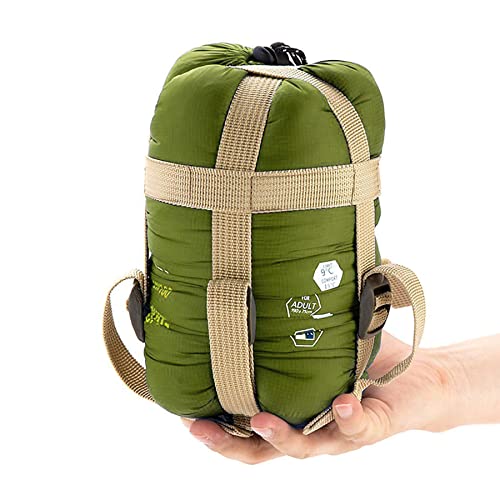
- Sleep: Insulated pad + down or synthetic sleeping bag (rated 20°F–30°F)
- Cooking: Wind-resistant stove, pot, fuel, biodegradable soap
- Clothing: Quick-dry pants, fleece, rain jacket, wool socks, camp shoes
- Navigation: Physical map, compass, offline GPS (cell service is spotty downeast)
- Safety: First aid kit, emergency blanket, tide chart, whistle
Use our specialized resources: beach camping checklist for sandy setups and camping with kids checklist if traveling with little ones. For a downloadable version, see printable camping checklist.
Best Time for Maine Coast Camping & Reservations
Peak season runs from late June to early September, with warmest water temps and full services. However, crowds are intense and campsites require booking 6 months ahead. For serenity, consider September (still mild, fewer bugs) or late May (lobster season starts, but some facilities closed). Always verify campground opening dates via camping reservation apps. Winter camping along the coast is for experts only — check our winter camping guide for extreme conditions.
📍 Explore More Coastal Camping: If you love the Maine coast, you may also enjoy Oregon Coast Camping or California Beach Camping. Each offers unique tidal environments and gear considerations.