How to Keep a Tent Warm in Cold Weather
Stay comfortable and safe during winter camping with proven strategies for insulating your tent, choosing the right gear, and maximizing heat retention.
Explore Winter Gear →Winter camping is rewarding, but staying warm is a challenge. A cold tent can turn an adventure into a miserable experience. This guide covers everything you need to know—from insulation and heating to sleeping systems and smart tent placement—so you can enjoy the beauty of winter camping safely and comfortably.
1. Insulation: Your First Line of Defense
Without proper insulation, your tent will lose heat rapidly. The goal is to trap warm air inside and block cold air from seeping in. Here are the most effective ways to insulate your tent:
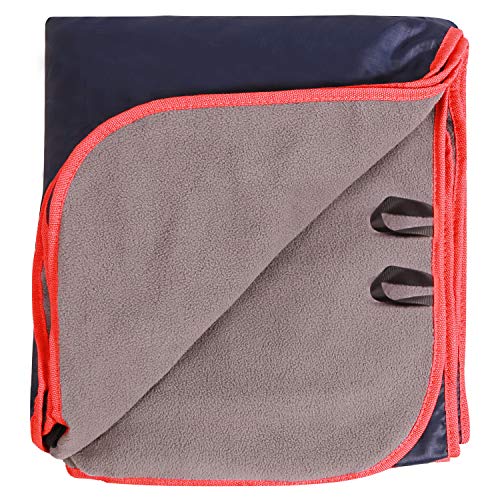
- Use a tent footprint or groundsheet: A layer between the tent floor and the snow/ground prevents cold from radiating upward. A thick tarp or thermal blanket works best.
- Add a rug or thermal mat inside: Cover the tent floor with a wool blanket, carpet remnant, or foam tiles. This adds a layer of warmth and comfort.
- Insulate the walls: For extended trips, drape emergency blankets (Mylar) over the tent walls (reflective side inward) to reflect body heat back into the tent.
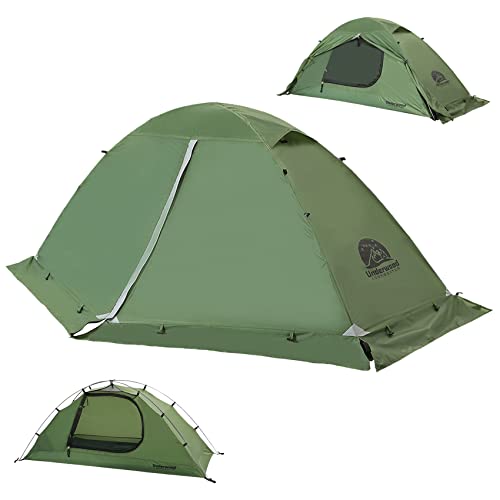
- Choose a 4-season tent: A winter tent is designed with a steeper pitch to shed snow and has fewer mesh panels to retain heat.
Proper insulation reduces the need for active heating and keeps your tent warmer for longer. Pair these methods with a high-quality winter sleeping bag for maximum efficiency.
2. Tent Heating: Safe & Effective Methods
When insulation isn't enough, adding a heat source can make a significant difference. Always prioritize safety when using any heater inside a tent.
🔥 Portable Propane Heater
Propane heaters are the most popular option for cold-weather campers. Look for models with an automatic shut-off tip-over switch and a low-oxygen sensor. Always leave a small vent open for fresh air.
Best used with: A hot tent with a stove jack or a well-ventilated large tent.
🔥 Wood-Burning Stove
For serious winter campers, a wood stove is the gold standard. It produces intense, dry heat and can even be used for cooking. Requires a fire-resistant tent with a stove jack.
Related: Winter camping heaters – compare all options.
⚡ Electric Heater (with power source)
If you have access to a power hookup or a portable power station, an electric space heater is the safest and quietest option. Combine with a portable power station for off-grid use.
⚠️ Critical Safety Notes: Never use a heater designed for outdoor use only inside a tent. Always maintain ventilation to prevent carbon monoxide poisoning. Use a battery-operated CO detector for peace of mind. Read our camping safety guide for more tips.
3. Sleeping Systems: Stay Warm All Night
Your sleeping bag and pad are the most important gear for staying warm. Here's how to optimize them:
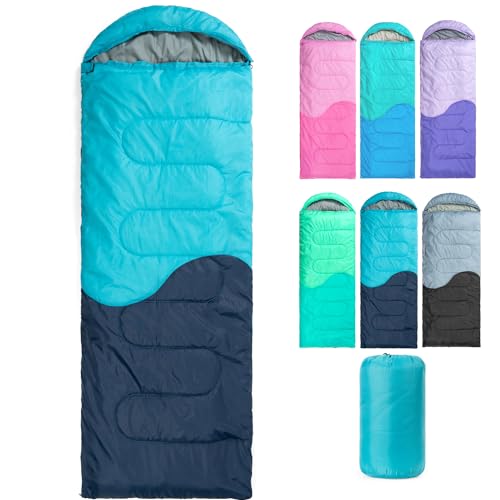
- Choose a sleeping bag rated for the temperature: For winter camping, select a bag rated at least 10–15°F lower than the lowest expected temperature. Down insulation offers the best warmth-to-weight ratio.
- Use a sleeping pad with high R-value: Your sleeping pad insulates you from the cold ground. Look for pads with an R-value of 4 or higher for winter use. Combine two pads for extra warmth.
- Wear a hat and thermal base layers: Up to 30% of body heat escapes through the head. A beanie and a merino wool base layer will keep you cozy.
- Heat water before bed: Fill a Nalgene bottle with hot water, wrap it in a sock, and place it inside your sleeping bag. This provides safe, gentle warmth for hours.
Remember, your sleeping bag doesn't generate heat—it traps the heat your body produces. A proper sleeping system is non-negotiable for cold-weather camping safety.
4. Tent Placement & Wind Protection
Where you pitch your tent dramatically affects its internal temperature. Follow these principles:
- Avoid low spots and valleys: Cold air sinks, so camp on higher ground to avoid frost pockets.
- Use natural windbreaks: Pitch your tent behind a ridge, rock formation, or dense trees to block prevailing winds.
- Orient the tent door away from the wind: This reduces drafts and keeps cold air from rushing in when you enter or exit.
- Build a snow wall or use a windbreak tarp: If camping in snow, a small snow wall can deflect wind and add insulation. Camping tarps are also useful for creating a wind barrier.
Smart tent placement can keep your tent 5–10°F warmer than a poorly positioned one.
5. Pro Tips for Ultimate Warmth
- Ventilate to reduce condensation: A small opening at the top of your tent allows moisture from breathing to escape, preventing frost buildup inside.
- Use a hot water bottle: Place it in your sleeping bag before getting in to pre-warm the interior.
- Eat a high-calorie snack before bed: Digestion generates body heat—a handful of nuts or a chocolate bar can make a difference.
- Change into dry clothes: Never sleep in sweaty or damp clothing. Moisture wicks heat away from your body.
- Use an insulated sleeping bag liner: Adds 5–15°F of warmth and keeps your bag clean.
For more in-depth strategies, explore our winter camping hub and how to stay warm in winter guide.
6. Gear Essentials for Cold-Weather Camping
Having the right gear is half the battle. Below are the key items you need for a warm and safe winter camping trip.
Check out our complete winter camping gear guide for detailed reviews and buying advice.
Ready for Your Winter Adventure?
Explore our curated selection of winter camping gear and start planning your cold-weather escape with confidence.
Shop Winter Gear