Is Camping Alone Safe? Essential Solo Camping Safety Guide
Complete guide to staying safe while camping solo: preparation, gear, wildlife awareness, and emergency strategies for confident solo adventures.
Short answer: Yes, camping alone can be safe when you prepare properly and follow key safety protocols. Millions of solo campers enjoy peaceful nights under the stars every year without incident. The difference between a risky trip and a safe one comes down to planning, gear, knowledge, and awareness. This comprehensive guide will walk you through everything you need to know to camp alone confidently and securely.
Why Solo Camping Is Becoming More Popular
Solo camping offers unique benefits that group camping cannot match: complete freedom to set your own schedule, deeper connection with nature, personal reflection time, and the empowering feeling of self-reliance. According to outdoor industry reports, solo camping has increased by over 40% in the last five years, with more people seeking solitude and independence in nature. However, this growth also means more first-time solo campers need reliable safety information. Understanding the solo camping fundamentals is the first step toward a successful trip.
Honest Safety Assessment: Risks vs. Rewards
👍 BENEFITS
Complete freedom, personal growth, stress relief, deeper nature connection, building self-confidence, and uninterrupted peace.
⚠️ RISKS
No immediate help if injured, wildlife encounters, navigation errors, weather emergencies, and psychological challenges (loneliness or anxiety).
✅ RISK REDUCTION
Proper planning, essential safety gear, sharing itinerary, emergency communication devices, and acquiring basic wilderness skills.
Pre-Trip Planning: Your Safety Foundation
Essential Pre-Departure Checklist
- Research your destination thoroughly – Understand terrain, weather patterns, wildlife activity, and campground vs wild camping regulations. Check recent trail reports and ranger station updates.
- Share your detailed itinerary – Leave a trip plan with a trusted contact including: exact location, campsite coordinates, planned route, expected return time, and when to call for help if you don't check in.
- Check weather forecasts and alerts – Use reliable sources like NOAA. Be prepared to cancel or postpone if severe weather is predicted, especially lightning storms or flash floods.
- Know your physical limits – Solo camping is not the time to push beyond your fitness level or skill set. Choose a campsite and activities appropriate for your experience.
- Learn basic first aid and survival skills – Take a wilderness first aid course. Know how to treat common injuries, recognize hypothermia or heatstroke, and signal for help.
Essential Solo Camping Safety Gear
Proper gear is your lifeline when camping alone. While standard camping gear is important, solo campers need specific safety-focused items. Below is the recommended gear list for safe solo camping:
🔴 Emergency Communication
Satellite messenger (Garmin inReach or Zoleo), personal locator beacon (PLB), or satellite phone. Cell phones often lack service in remote areas. Recommended investment: $300–$450
🟠 Navigation & Lighting
Physical map and compass (plus GPS backup), headlamp with extra batteries, camping lantern for campsite visibility. Reliable options: $30–$80
🟡 First Aid & Repair
Comprehensive camping first aid kit (with blister care, medications, wound supplies), multi-tool, duct tape, gear repair kit. Quality kit: $40–$100
🟢 Shelter & Sleep
Camping tent (easy solo setup), appropriate sleeping bag for season, sleeping pad for insulation. Solo tent: $120–$300
🔵 Food & Water
Water filter or purification tablets (2+ methods), extra food beyond planned meals, no-cook options for emergencies. Water filter: $40–$120
⚫ Safety Extras
Bear spray (in bear country), emergency whistle (3 blasts signal), fire starter (multiple methods), reflective emergency blanket.
Wildlife Safety for Solo Campers
Encountering wildlife is a highlight of camping, but solo campers must be more vigilant. Without a group to create noise and deter animals, you need proactive strategies:
- Proper food storage is non-negotiable – Use bear canisters or bear hangs where required. Never keep food, toiletries, or trash in your tent. Learn proper how to store food from bears techniques.
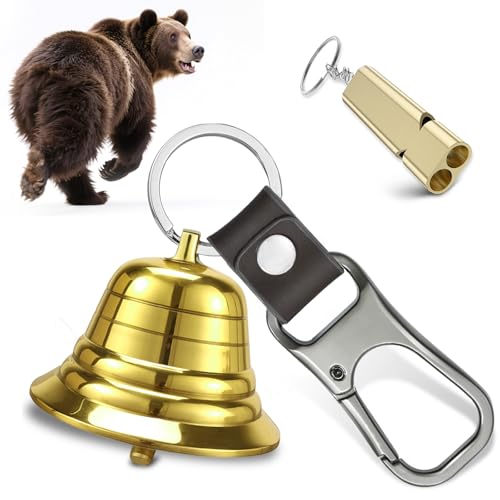
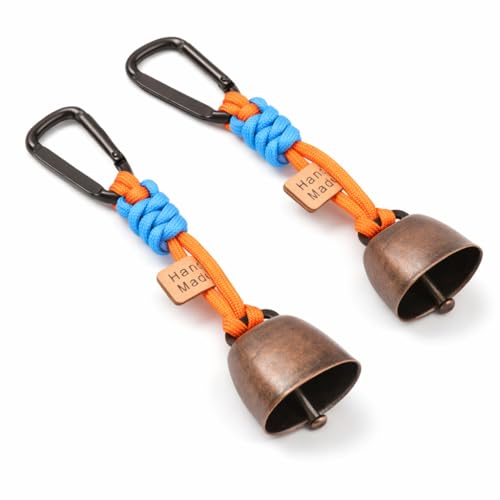
- Make noise while hiking – Clap, sing, or use bear bells to alert animals of your presence. Surprise encounters are more dangerous than announced ones.
- Carry bear spray and know how to use it – Practice removing the safety clip. Keep it accessible, not buried in your pack. Understand bear safety camping protocols for different bear species.
- Maintain clean campsite – Cook at least 100 yards from sleeping area. Pack out all food waste. Never leave dishes or scraps unattended.
- Know wildlife behavior – Learn to identify signs of aggressive animals. Understand mountain lion safety, moose behavior, and snake precautions for your region.
Choosing the Safest Campsite for Solo Camping
Your campsite location significantly impacts your safety when alone. Follow these guidelines:
- Choose established campgrounds for first trips – State park camping and National Forest campgrounds offer nearby campers (potential help) while still giving solo experience.
- Avoid high-risk terrain – Steep slopes near water, dry creek beds (flash flood risk), dead trees (widowmakers), or areas with recent fire scars.
- Set up where others can see you (initially) – Not hidden from the main trail. If something happens, being visible increases rescue chances.
- Check cell signal before committing – Arrive early enough to test communication. If no signal, ensure your satellite device works at that location.
- Identify escape routes and water sources – Know two ways out of your campsite and where to find emergency water if needed.
Emergency Preparedness: Your Solo Safety Net
- Communication devices save lives – A satellite messenger with SOS function (Garmin inReach Mini 2: $400, or Spot Gen4: $150) allows two-way messaging and emergency dispatch. PLBs (ACR ResQLink: $380) are one-way but highly reliable.
- Know emergency procedures – Practice using your SOS device before leaving. Know what information rescuers will need (coordinates, nature of emergency, medical conditions).
- Create an emergency action plan – Write down: nearest hospital, ranger station phone number, evacuation procedures for your location.
- Pack a "get home" kit – Extra water, calorie-dense food, headlamp, emergency shelter. If lost, staying put is often safer, but have supplies if you must move.
- Learn basic wilderness first aid – How to splint a fracture, treat severe bleeding, manage shock, and recognize altitude sickness or heat exhaustion.
Managing Fear and Loneliness When Camping Alone
Many solo campers struggle more with psychological challenges than physical dangers. Every sound at night can trigger anxiety. Here's how to stay mentally comfortable:
- Start with short trips close to home – Build confidence gradually. Try car camping alone first where you have vehicle security.
- Bring familiar comfort items – A favorite book, downloaded podcasts, comfort food. Distraction helps quiet anxious thoughts.
- Establish a routine – Set up camp early, cook dinner before dark, have a campsite "shut down" ritual. Structure reduces uncertainty.
- Trust your instincts – If a location feels unsafe for any reason, leave. There's no shame in relocating or going home early.
- Use technology wisely – Downloaded movies or music can feel like companionship. But also practice being comfortable with silence.
Best Destinations for First-Time Solo Campers
Choose locations with cell service, park rangers, and other campers nearby for your initial solo trips. Consider these safer options:
Colorado
Colorado camping offers well-maintained state parks with ranger stations and good cell coverage in many areas.
California State Parks
California beach camping spots have nearby amenities and other campers year-round.
Texas State Parks
Texas state parks are known for friendly rangers and easy-to-navigate campgrounds perfect for beginners.
Smoky Mountains
Smoky Mountains camping in established frontcountry campgrounds provides safety in numbers.
Gear Mistakes Solo Campers Should Avoid
- Over-relying on electronics – Phones die and GPS fails. Always carry physical maps and compass. Know GPS vs smartphone limitations.
- Skipping the first aid kit – A $20 kit can't treat serious injuries. Invest in a comprehensive kit and know how to use everything inside.
- Insufficient lighting – One small headlamp isn't enough. Bring a primary headlamp, backup light, and camping light for campsite illumination.
- Inappropriate shelter for conditions – A summer tent in winter or an oversized heavy tent for backpacking adds unnecessary risk. Match gear to conditions and trip type.
Legal and Regulatory Considerations for Solo Camping
Understanding regulations protects you legally and practically. Before heading out:
- Check BLM camping rules if camping on Bureau of Land Management land. Different rules apply for dispersed camping vs developed campgrounds.
- Follow national park rules which may require permits for backcountry camping and have specific food storage requirements.
- Respect quiet hours camping regulations, typically 10 PM to 6 AM in most campgrounds.
- Practice leave no trace principles: pack out all trash, minimize campfire impacts, respect wildlife, and be considerate of other visitors.
- Understand campfire regulations – Many areas have seasonal fire bans. Solo campers without a group to manage fires need extra caution.
Final Verdict: Is Camping Alone Safe?
Yes, camping alone is safe for most people who prepare adequately. The key is respecting your limits, investing in proper safety gear (especially emergency communication), sharing detailed plans, and building experience gradually. Start with well-populated campgrounds, short trips close to home, and familiar terrain. As your confidence and skills grow, you can venture into more remote areas. The solitude, self-reliance, and peace of solo camping are worth the extra preparation. Your first solo trip might feel intimidating, but millions of solo campers prove it's not only safe but transformative.
Remember these three non-negotiables for solo camping safety:
- Always share your itinerary with someone trustworthy.
- Carry a satellite communication device with SOS capability.
- Know when to cancel or turn back – No trip is worth your safety.