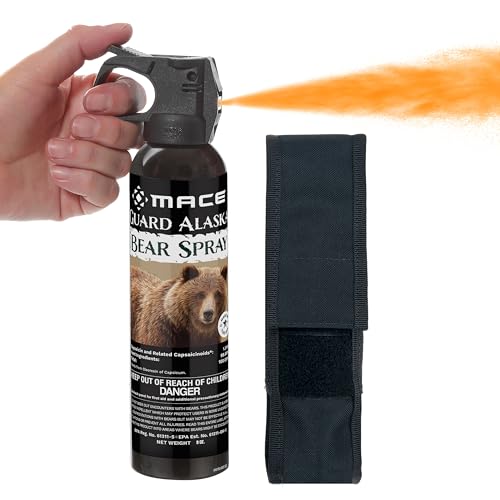
Bear Spray vs Gun: The Complete Bear Defense Analysis
Scientific evidence, real-world statistics, and expert guidance to help you choose the most effective protection in bear country.
Whether you're planning a backcountry trip in grizzly territory or hiking in black bear habitats, the question inevitably arises: bear spray or a firearm? Both are legitimate defensive tools, but they differ vastly in deployment, legal status, and real-world stopping power. This guide provides an unbiased, evidence-based comparison to help you make a confident choice. For broader camping safety principles and bear safety camping practices, be sure to check our dedicated resources.
Head‑to‑Head: Effectiveness & Real‑World Stats
Multiple studies, including research from the U.S. Fish and Wildlife Service and the Journal of Wildlife Management, show that bear spray stops aggressive bear behavior in 92% to 98% of incidents, with most encounters ending without injury to humans or bears. Firearms, by contrast, show a 60–70% success rate in stopping attacks, largely due to human error, bear physiology, and the need for surgical accuracy under extreme stress. Below is a detailed breakdown.
| Factor | Bear Spray (e.g., Counterattack, UDAP) | Firearm (Handgun / Large Caliber) |
|---|---|---|
| Overall Effectiveness | 92–98% attack deterrence | 60–70% (partial stops & misses common) |
| Range | Effective up to 30–40 feet (cone spray) | Varies, but charging bear often too close for precision |
| Requirement for Accuracy | Low: area dispersal (cloud) impacts bear’s eyes/nose | Extremely high: must hit vital areas (brain/spine) |
| Time to Deploy | 1–2 seconds (holstered canister) | 4+ seconds (draw, disengage safety, aim) |
| Legal in National Parks (USA) | ✅ Allowed (recommended) | ⚠️ Restricted: legal only if conforming to state/federal firearm laws, but cannot be discharged unless absolute necessity. Many parks strictly regulate. |
| Risk of Injury / Collateral | Minimal, temporary discomfort to humans | High risk to bystanders, ricochet, or wounding bear |
| Training Required | Moderate (practice drawing, wind awareness) | Extensive (marksmanship under duress) |
| Weight & Portability | 7–11 oz, compact canister | 2–4 lbs (plus ammunition), bulkier |
| Cost (Typical) | $35–$55 per canister | $500+ for reliable firearm + training, ammunition |
Ease of Use & Human Factors
In sudden bear encounters, fine motor skills deteriorate due to adrenaline rush. Bear spray requires gross motor movement: pull the safety tab and spray toward the charging bear. Firearms demand fine motor control (disengaging safety, acquiring sight picture, steady trigger pull). According to wilderness first aid experts and survival instructors, most recreational campers lack the extensive training needed to reliably stop a bear with a handgun. Moreover, cleaning and maintaining a firearm in damp camping gear conditions adds complexity. Bear spray holsters attach easily to a camping backpack belt for immediate access.
✅ Advantages of Bear Spray
- Non-lethal, protects both human and bear
- High success rate backed by wildlife agencies
- Effective against all bear species (grizzly, black, polar)
- Works from distance, creates barrier cloud
- Legal in most protected areas including national parks
⚠️ Limitations of Bear Spray
- Wind direction can reduce effectiveness
- Limited range (~30ft), must let bear approach moderately
- Expiration date (typically 3-4 years)
- Cannot be shipped by air (must buy locally)
🔫 Advantages of Firearm (For Skilled Users)
- Longer effective range (beyond 50 yards)
- Lethal stopping power if shot placement is perfect
- Works in any weather condition, no wind issues
- Psychological comfort for some users
⚠️ Risks & Drawbacks of Firearms
- Studies show wounded bears become more aggressive
- High likelihood of missed shots under stress
- Legal restrictions in many state/national parks
- Bullets can penetrate and harm other campers
- Significant training investment required
Legal & Regulatory Landscape (U.S. Focus)
Before choosing your defensive tool, you must understand local regulations. In national parks like Yellowstone, Grand Teton, and Glacier, bear spray is not only permitted but strongly recommended by park rangers. Firearms may be allowed under certain conditions (following state law), but discharging a firearm inside a national park is heavily restricted and often illegal except for self-defense. However, even legal self-defense shootings can lead to extensive investigations. Bear safety camping guidelines universally advocate bear spray as the primary deterrent. For other areas like BLM camping lands or national forests, check local firearm ordinances. Non-lethal defense always reduces liability and aligns with Leave No Trace ethics.
📌 What Wildlife Experts Say
The Interagency Grizzly Bear Committee (IGBC), U.S. Fish and Wildlife Service, and numerous bear biologists unanimously recommend bear spray over firearms for backcountry recreation. Dr. Tom Smith (bear researcher) analyzed 269 bear–human conflicts and concluded that bear spray stopped aggressive behavior in 98% of cases, while firearms stopped only 67% and often resulted in injured bears and people. Firearms should only be considered by individuals with advanced, ongoing training in bear defense and where legally permitted.
Practical Advice: Which One is Right for You?
If you’re a typical camper, hiker, or backpacker heading into bear country, carry bear spray and know how to use it. Practice removing the safety and spraying inert practice canisters. Keep it on your belt or pack hip strap — not buried in your bag. For those living or working in remote Alaska or guide settings where brown bear encounters are frequent, some experts still carry both: bear spray first, firearm as a last resort. However, statistics demonstrate that spray alone offers superior protection. Additionally, always pair your defense tool with preventative measures: store food correctly (read how to store food from bears), travel in groups, and make noise on trails. Visit our detailed camping checklists to ensure you pack all bear-safety essentials.
Survival Response: Bear Attack Scenario
If a bear charges, your reaction depends on species and behavior. With brown/grizzly bears, play dead if contact is made; but if you have bear spray, deploy when the bear is within 30–40 feet. For black bears, fight back with any available object. Both strategies emphasize that spray provides a wide fog that disorients. Firing a gun requires you to hit a moving target smaller than a dinner plate while adrenaline floods your system. A missed shot may escalate aggression. For emergency preparedness beyond bear encounters, review emergency SOS signals and camping communication devices to call for help if injuries occur. Combine bear spray with a personal locator beacon (PLB) when venturing into remote zones.
When comparing bear spray vs gun, overwhelming scientific evidence and ranger recommendations point to bear spray as the most effective, safe, and legal defensive tool for the vast majority of outdoor enthusiasts. Invest in high-quality EPA-approved bear spray, practice deployment, and stay current with bear behavior knowledge.
🔹 Pro Tip: Carry two cans of bear spray if you’re in extreme grizzly habitat. Also, know how to identify bear tracks and signs. Expand your knowledge with our camping FAQ and what to do if lost survival guide to become a fully prepared outdoor adventurer.